
PLFS changes from January 2027: new stratum for platform workers and unpaid work questions
Next story · 23 OctNasha Mukt Bharat Abhiyaan reaches 35 crore people: demand reduction and the 2029 drug-free goal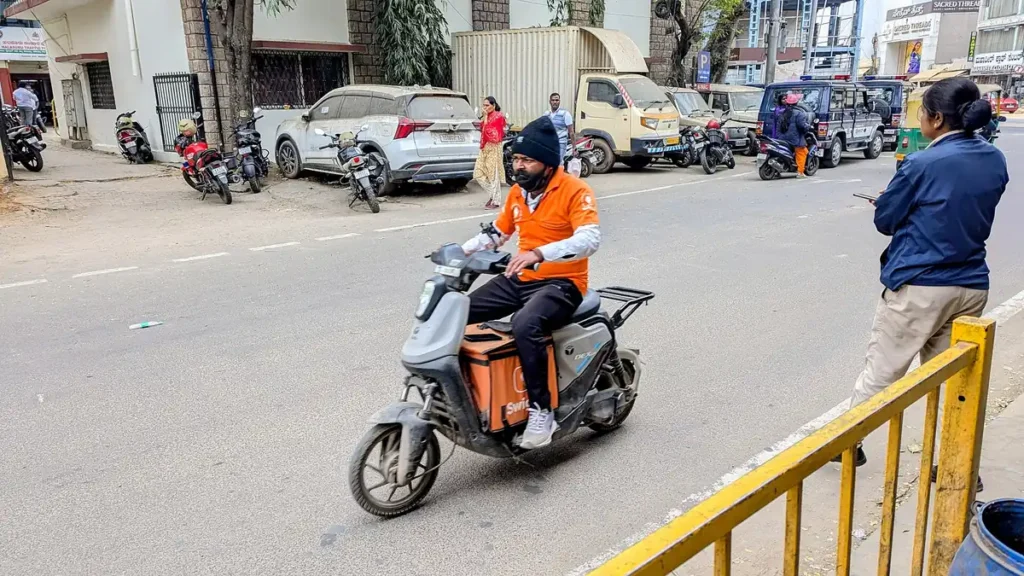
The National Statistics Office announced on 23 October 2026 changes to the Periodic Labour Force Survey from January 2027. A new sampling stratum will capture digital platform (gig) workers, who were under-counted, fresh samples will be drawn from an updated frame, and new questions will measure unpaid household, care and volunteer work. The public has 15 days to comment on the concept note.
- Survey
- PLFS, since 2017
- Changes from
- January 2027
- New stratum
- Platform workers
- Comments
- Within 15 days
PLFS revamp: what happened?
You cannot fix what you cannot measure. India’s gig workers and the unpaid work done mostly by women have long been blurry in official data. These changes try to bring them into focus.
- 23 Oct 2026: NSO (MoSPI) released a concept note on changes from January 2027, when fresh samples for 2027–28 (Panel 6) begin.
- A new Second Stage Stratum (SSS) based on digital platform work: four SSSs in rural and five in urban areas, with 14 households per First Stage Unit.
- A new yes/no question in Schedule 0.0PL identifies households where anyone has done platform work.
- Schedule 10.4 adds questions on own-use production, unpaid household and care work, volunteering and unpaid trainee work, for persons aged 15+.
What is the PLFS?
- India’s main survey of jobs, run by the NSO since 2017, replacing the older five-yearly employment surveys.
- It gives the Labour Force Participation Rate, Worker Population Ratio and Unemployment Rate.
- From January 2025 it was redesigned to give monthly, quarterly and annual estimates, and sub-State estimates.
- Platform worker data was collected on an experimental basis since January 2026, but the sample caught too few.
What changes in 2027?
| Item | Until 2026 | From January 2027 |
|---|---|---|
| Sampling frame | Panel 5 frame | Updated frame (Panel 6) with new urban areas, districts |
| Platform workers | Experimental questions | Dedicated stratum + screening question |
| Unpaid work | Not measured annually | New questions, annual reporting |
| First 3 months | — | Pooled estimates from both frames; no RSE published |
What is the legal and policy angle?
- The Code on Social Security, 2020 defines ‘gig workers’ and ‘platform workers’ and allows social security schemes for them.
- The Collection of Statistics Act, 2008 gives the legal basis for official surveys.
- Article 43 (Directive Principle): the State shall try to secure a living wage and decent conditions for all workers.
- The ILO’s 2013 resolution on work statistics counts unpaid own-use and volunteer work as forms of work.
What are the challenges?
- Gig workers are mobile and hard to find in household surveys.
- Two frames in the first quarter can make trends hard to compare.
- Unpaid work answers depend on how well questions are asked.
- The rural frame still rests partly on Census 2011.
What should be done?
- Use platform company data along with surveys to cross-check counts.
- Publish clear notes on comparability during the transition.
- Link findings to social security registration on e-Shram.
- Use unpaid work data to value women’s work in policy.
What can Prelims ask on the PLFS?
- PLFS is conducted by the NSO under MoSPI, since 2017.
- Key indicators: LFPR, WPR, Unemployment Rate.
- Current Weekly Status (CWS) is used for quarterly urban and monthly estimates.
- Gig and platform workers are defined in the Code on Social Security, 2020.
- Time Use Survey is a separate NSO survey on unpaid activities.
How to write about labour data in Mains
Practice question (10 marks, 150 words): Reliable labour statistics are essential for job policy. Discuss the significance of the proposed changes to the PLFS. (GS-III)
- Intro: NSO note, 23 Oct 2026; changes from Jan 2027.
- Gaps: under-counted gig workers; invisible unpaid work.
- Changes: new stratum, updated frame, unpaid work questions.
- Uses: social security, gender policy, urban planning.
- Conclusion: better data, better targeting.
Image: A Swiggy delivery partner in Bengaluru. SerChevalerie, Wikimedia Commons, CC0
How to use this in Mains
If asked: Discuss the challenges of measuring the gig economy in India. (GS-III)
Quote: “Experience from PLFS 2026 showed that the existing arrangement did not capture an adequate number of digital platform workers.”
Use it: Use it to show the government itself admits the gap.
If asked: Why is measuring unpaid work important for gender policy? (GS-I/III)
Quote: “The inclusion of these items will facilitate a more comprehensive assessment of different forms of work beyond conventional employment.”
Use it: Quote it, then link to women’s care work.
Exam angle
Prelims: PLFS, NSO, LFPR/WPR/UR, Code on Social Security 2020. · Mains GS-III: employment, gig economy, data quality.
Practice MCQs
Original practice questions (not PYQs).
The Periodic Labour Force Survey (PLFS) is conducted by
Answer (b) & explanation
The PLFS is conducted by the National Statistics Office under MoSPI.
‘Gig worker’ and ‘platform worker’ are defined in which law?
Answer (c) & explanation
The Code on Social Security, 2020 defines both terms.
Consider the following statements about the PLFS changes from January 2027:
1. A new stratum will be created based on digital platform work.
2. Questions on unpaid caregiving will be added.
3. The survey will stop giving monthly estimates.
Which of the statements given above are correct?
Answer (a) & explanation
Monthly estimates continue; the first three months will show pooled estimates.
Questions students ask about this
What is changing in the PLFS?
A new stratum for platform workers, an updated sampling frame and new unpaid work questions, from January 2027.
Why the change?
The 2026 experiment did not capture enough platform workers.
What is Panel 6?
Fresh samples for 2027–28 drawn from an updated frame.
Can the public comment?
Yes, within 15 days of the press note, on the concept note on mospi.gov.in.
Keep studying
Go deeper
Official source: PIB (MoSPI), 23 Oct 2026: Changes in PLFS schedule and estimation procedure from January 2027
facts from cited sources only; faculty review pending