
Bangladesh presses India for a new Ganges water deal
The Ganges flows from India into Bangladesh, where it is called the Padma. For 30 years, a treaty has decided how the two countries share its water in the dry season. That treaty ends on 12 December, and there is no new deal yet. Read it to revise the Ganges Water Treaty, the Farakka Barrage and India–Bangladesh river ties.
- Treaty
- Ganges Water Treaty, 1996
- Ends
- 12 December 2026
- Sharing point
- Farakka Barrage, West Bengal
- Shared rivers
- 54
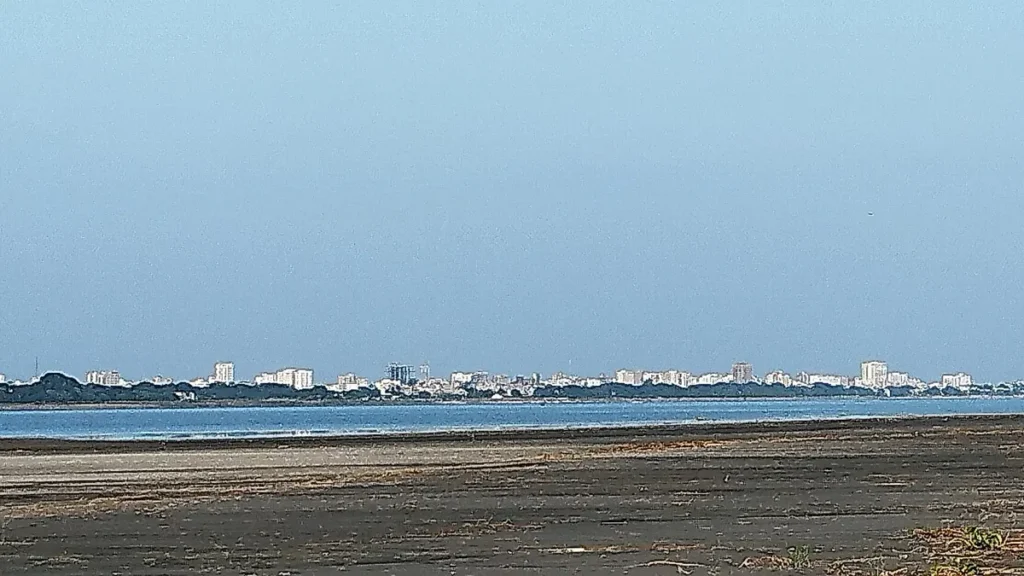
The Ganges water deal: what happened?
In the dry months, every bucket of river water matters to farmers and fishers downstream. Bangladesh fears that without a new deal, its share of the Ganges could become uncertain.
- The 1996 Ganges Water Treaty between India and Bangladesh ends on 12 December. It has no clause to continue on its own.
- Bangladesh is pressing India for a new deal of “mutual benefit and respect” that also covers climate change and the whole river basin.
- It fears water shortages, crop losses and fewer fish in the dry season.
- Talks have been slow. The last ministerial meeting of the Joint Rivers Commission was in 2022, after a 12-year gap.
What is the Ganges Water Treaty?
India built the Farakka Barrage in West Bengal, about 20 km from the Bangladesh border, and it began working in 1975. It turns part of the Ganges into the Bhagirathi–Hooghly to keep Kolkata port free of silt.
Bangladesh said this cut the water reaching it in the dry season. After years of short-term deals, Prime Ministers H.D. Deve Gowda and Sheikh Hasina signed a 30-year treaty in 1996.
The treaty shares the flow at Farakka from 1 January to 31 May, in ten-day periods, using a formula based on how much water arrives.
India and Bangladesh share 54 rivers. The Joint Rivers Commission, set up in 1972, handles them. A deal on the Teesta river has been stuck for more than a decade.
What does the 1996 treaty cover?
| Point | Detail | Note |
|---|---|---|
| Period | 1 January to 31 May | The lean (dry) season |
| Place | Farakka Barrage | West Bengal |
| Length | 30 years | Ends 12 December 2026 |
Which laws and Articles apply?
- Article 253: Parliament can make laws to carry out treaties with other countries.
- Treaty-making is a Union subject (Union List), but water is a State subject (Entry 17, State List), so West Bengal’s views matter.
- Article 262: Parliament can make laws on inter-State river disputes (used inside India, not for international rivers).
- The Joint Rivers Commission (1972) is the main India–Bangladesh body for shared rivers.
Why does the Ganges water deal matter?
| Angle | What to note |
|---|---|
| Neighbourhood First | Water is a test of trust with a close neighbour. |
| Federalism | West Bengal’s needs shape India’s stand. |
| Climate | Lower dry-season flows and sea-level rise hurt the delta. |
| Sundarbans | Less fresh water raises saltiness in the mangroves. |
What are the problems with the Ganges water deal?
- Dry-season flows are falling, so there is less water to share.
- West Bengal wants enough water for Kolkata port and its farms.
- The Teesta deal has been stuck for years, which hurts trust.
- Political changes in Bangladesh have made talks harder.
What should be done next on the Ganges water deal?
- Agree a new treaty with a basin-wide view, including climate change.
- Share real-time flow data openly at Farakka.
- Involve West Bengal early so the deal has local support.
- Revive regular Joint Rivers Commission meetings and settle the Teesta issue.
What can Prelims ask on the Ganges water deal?
Prelims probability: Expect a question on the Ganges Water Treaty, 1996 (30 years, dry season, Farakka Barrage) and the Sundarbans as a shared World Heritage Site.
- Ganges Water Treaty, 1996: 30 years; dry season (1 January–31 May); shared at Farakka Barrage.
- Farakka Barrage, West Bengal; feeds the Bhagirathi–Hooghly; began working in 1975.
- The Ganges is called the Padma in Bangladesh.
- Joint Rivers Commission set up in 1972; India and Bangladesh share 54 rivers.
- Sundarbans: World Heritage Site in both India (1987) and Bangladesh (1997).
How to write about the Ganges water deal in Mains
Practice question (15 marks, 250 words): Water sharing has become a key test of India–Bangladesh ties. Discuss the issues before the two countries as the 1996 Ganges Water Treaty comes to an end.
- Intro: treaty ends 12 December; no automatic extension.
- Background: Farakka Barrage, 1996 treaty, dry-season sharing.
- Issues: falling flows, West Bengal’s needs, climate, Teesta.
- Way forward: basin approach, data sharing, State consultation.
- Conclusion: a fair deal strengthens Neighbourhood First.
Ready lines for your answer
- Rivers do not stop at borders; neither should cooperation.
- A basin-wide deal can turn a dispute into a partnership.
Quotable data pointThe 1996 treaty shares dry-season flow at Farakka from 1 January to 31 May; it ends on 12 December 2026.
Photo: Sakib8785, CC BY 4.0, via Wikimedia Commons
Exam angle
Prelims: Farakka Barrage, 1996 treaty, Joint Rivers Commission, Sundarbans. · Mains GS-II: India–Bangladesh ties, water diplomacy, federalism in foreign policy.
Practice MCQs
Original practice questions (not PYQs).
The India–Bangladesh Ganges Water Treaty of 1996 shares the river's dry-season flow at which structure?
Answer (a) & explanation
The treaty shares the flow from 1 January to 31 May at the Farakka Barrage in Murshidabad, West Bengal. It ends on 12 December 2026.
The India–Bangladesh Joint Rivers Commission, which looks after 54 shared rivers, was set up in:
Answer (b) & explanation
The Joint Rivers Commission was set up in 1972. Its last ministerial meeting was in 2022, after a 12-year gap.
The Farakka Barrage diverts part of the Ganges water into which river?
Answer (b) & explanation
The Farakka Barrage feeds a canal that takes water into the Bhagirathi–Hooghly to help keep Kolkata port free of silt.
Questions students ask about this
When does the Ganges Water Treaty end?
On 12 December 2026, 30 years after it was signed in 1996.
Where is the Ganges water shared?
At the Farakka Barrage in West Bengal, about 20 km from the Bangladesh border.
What is the Ganges called in Bangladesh?
The Padma.
Which body handles India–Bangladesh shared rivers?
The Joint Rivers Commission, set up in 1972. The two countries share 54 rivers.