
Phase out river sand mining in three years: Court panel
The Supreme Court’s Central Empowered Committee has advised that India phase out unsustainable sand extraction from active river channels within three years. Demand should be met from silt in dam reservoirs, manufactured sand made by crushing rock, and recycled construction and demolition waste. The report, filed on 2 November, arose from the Court’s case on illegal mining in the National Chambal Sanctuary, widened to the whole country on 6 October. Read it to revise sand as a minor mineral, the 1957 mining law and river ecology.
- Panel
- Supreme Court Central Empowered Committee
- Deadline proposed
- Phase out unsustainable river-channel mining in 3 years
- Report filed
- 2 November 2026, in the Chambal Sanctuary case
- Alternatives
- Reservoir silt, manufactured sand, recycled C&D waste
River sand mining: what happened?
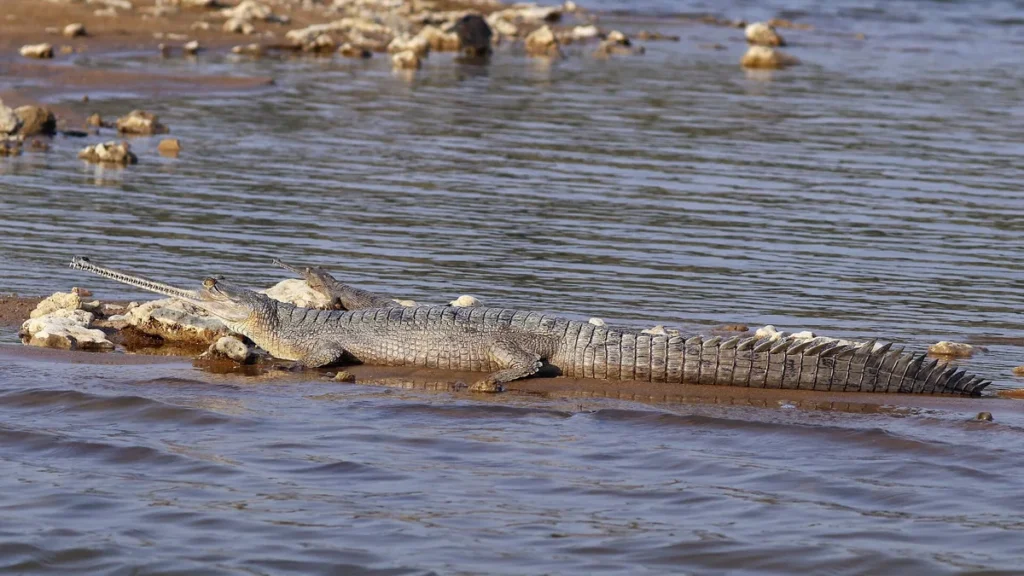
The sand that builds our cities is being scooped from the same riverbeds where gharials nest.
- The Supreme Court’s Central Empowered Committee has advised that India phase out “unsustainable” sand extraction from active river channels within three years.
- Instead, demand from construction should be met by sand from silt in dam reservoirs, manufactured sand made by crushing rock, and recycled construction and demolition waste.
- Its report, filed on 2 November, came in the Court’s own case on illegal sand mining in the National Chambal Sanctuary, which the Court widened to the whole country on 6 October.
- It wants electronic transit permits with codes for every load, a digital record of what is permitted and mined in each State, and a desilting programme with contracts in three years and a ten-year cycle for suitable reservoirs, led by the Ministry of Jal Shakti.
Why is river sand so contested?
Sand is a minor mineral under the Mines and Minerals (Development and Regulation) Act, 1957. The Centre notifies minor minerals, but States grant leases and make rules to prevent illegal mining.
Heavy mining deepens riverbeds, lowers the water table, erodes banks, damages bridges and destroys nesting sandbanks of gharials and turtles. The gharial is a critically endangered crocodilian found in the National Chambal Sanctuary, which spans parts of Uttar Pradesh, Madhya Pradesh and Rajasthan.
The 2016 and 2020 sand mining guidelines ask for district survey reports and replenishment studies, but illegal mining and weak transit control remain common.
Reservoir desilting can restore storage and supply sand, but the material needs processing; manufactured sand needs quality standards and a fair price if it is to replace cheap river sand.
From riverbeds to alternatives
| Source | Role |
|---|---|
| Active river channels | Phase out unsustainable extraction in 3 years |
| Dam reservoir silt | Desilt; contracts in 3 years, 10-year cycle |
| Manufactured sand | Crushed rock meeting standards |
| Recycled C&D waste | Reuse demolition debris |
Which laws and bodies apply?
- Mines and Minerals (Development and Regulation) Act, 1957: sand is a minor mineral.
- State rules and leases for minor minerals; Union guidelines of 2016 and 2020.
- Wildlife law and the National Chambal Sanctuary, home to the gharial.
- Ministry of Jal Shakti, Central Water Commission and the National Dam Safety Authority on desilting.
Why does phasing out river sand mining matter?
| Angle | What to note |
|---|---|
| Environment | Protects rivers, groundwater and nesting sites. |
| Infrastructure | Construction still needs sand, so alternatives must scale. |
| Federalism | States regulate minor minerals; the Court has set a national frame. |
| Prelims | Minor mineral, CEC, Chambal gharial, Jal Shakti desilting. |
What are the problems with phasing out river sand mining?
- Illegal mining networks and weak roadside checks persist.
- Desilting is costly and reservoir sand needs processing.
- Manufactured sand may stay costlier without public procurement support.
- Enforcement still depends on States.
What should be done next on phasing out river sand mining?
- Roll out electronic transit permits and a State-wise digital ledger.
- Start time-bound desilting contracts and a ten-year reservoir cycle.
- Give public works a preference for manufactured sand and recycled waste.
- Protect the National Chambal Sanctuary and publish replenishment studies.
What can Prelims ask on phasing out river sand mining?
Prelims probability: High. Trend: minor minerals (2019, 2025), sand mining effects (2018), Chambal Sanctuary (the State 2020). Freshness: report before the Supreme Court. Static link: the 1957 mining law. Hooks: next hearing, national desilting framework.
- Sand is a minor mineral under the 1957 Act; States frame rules.
- CEC: phase out unsustainable river-channel mining in three years.
- Alternatives: reservoir silt, manufactured sand, recycled C&D waste.
- National Chambal Sanctuary: gharial, a critically endangered crocodilian.
- Report filed 2 November; case widened nationwide on 6 October.
How to write about phasing out river sand mining in Mains
Practice question (15 marks, 250 words): River sand is essential for construction, but its unregulated extraction is damaging river ecosystems. Discuss the impacts of river sand mining in India and evaluate the alternatives recommended by the Supreme Court’s Central Empowered Committee.
- Intro: CEC report of 2 November, three-year phase-out.
- Ecological, hydrological and infrastructure impacts.
- Alternatives: desilting, manufactured sand, recycled waste.
- Digital permits and a Jal Shakti framework.
- Way forward: guidelines, procurement and State enforcement.
Ready lines for your answer
- A river is not a warehouse of cheap sand.
- Desilt the dam, spare the nesting bank.
Quotable data point3-year phase-out; report 2 Nov 2026; nationwide from 6 Oct; 10-year desilting cycle.
Photo: Charles J. Sharp, CC BY-SA 4.0, via Wikimedia Commons
Exam angle
Prelims: minor mineral, CEC, gharial, Chambal. · Mains GS-III: mining and river ecology.
Practice MCQs
Original practice questions (not PYQs).
Consider the following statements:
1. Sand is a minor mineral under the Mines and Minerals (Development and Regulation) Act, 1957.
2. State Governments can make rules to prevent illegal mining of minor minerals.
3. The gharial is a critically endangered crocodilian found in the National Chambal Sanctuary.
How many of the above statements are correct?
Answer (c) & explanation
All three are correct. The Centre notifies minor minerals, but States grant leases and frame rules for them.
Which one of the following is NOT among the alternative sources of sand suggested by the Supreme Court's Central Empowered Committee?
Answer (d) & explanation
The committee suggested reservoir sediment, manufactured sand and recycled construction and demolition waste; beach sand mining is itself harmful.
Which one of the following is NOT a likely consequence of heavy sand mining in riverbeds?
Answer (d) & explanation
Mining deepens the riverbed and lowers the water table, erodes banks and destroys nesting sandbanks; it reduces, not increases, groundwater recharge.
Questions students ask about this
What has the Central Empowered Committee advised?
Phase out unsustainable sand extraction from active river channels within three years.
What alternatives did it name?
Sand from dam-reservoir silt, manufactured sand from crushed rock, and recycled construction and demolition waste.
Is sand a major or a minor mineral?
A minor mineral under the Mines and Minerals (Development and Regulation) Act, 1957.
Why is the National Chambal Sanctuary in the news?
The case began as illegal sand mining there; the gharial, a critically endangered crocodilian, nests on its sandbanks.
Who should lead the desilting programme?
The Ministry of Jal Shakti, with a three-year contracting window and a ten-year cycle for suitable reservoirs.