
Food Processing Industry in India: Scope, Supply Chain Gaps, PMKSY, PLI, PMFME and the Way Forward (UPSC Notes + PYQs)
UPSC has already asked about this. Read the story with these questions in mind.
- Prelims 2011With what purpose is the Government of India promoting the concept of “Mega Food Parks” ?Solve it below ↓
- Mains 2025 · GS3Examine the scope of the food processing industries in India. Elaborate the measures taken by the government in the food processing industries for generating…See model answer →
Why it matters
Harvest and post-harvest losses were estimated at about ₹1.5 lakh crore a year by a NABCONS study (2022). Processing raises farm incomes, reduces price crashes (tomato and onion cycles), creates rural jobs, and earns exports. It is called a “sunrise sector”; 100% FDI is allowed through the automatic route, and through approval route in trading of food products made in India.
Upstream and downstream issues
A frequent Mains demand. Upstream: small fragmented farms, inconsistent quality and varieties unsuitable for processing, poor aggregation. Downstream: cold chains, warehousing, packaging, testing labs, credit for small processors, and complex food-safety compliance under FSSAI.
Schemes
- PM Kisan Sampada Yojana (2017): mega food parks, integrated cold chain, agro-processing clusters, backward and forward linkages.
- PLI scheme for food processing (PLISFPI): incentives for ready-to-eat foods, marine products, millets-based products and Indian brands abroad.
- PM Formalisation of Micro Food Processing Enterprises (PMFME): credit-linked subsidy on a One District One Product approach.
- Operation Greens for tomato, onion and potato (later all fruits and vegetables).
- World Food India events to draw investment.
Way forward
Farmer producer organisations as aggregators, cluster-based processing near production belts, more testing labs, simpler compliance for micro units, millets processing after the International Year of Millets (2023), and value chains for fisheries. Amul’s cooperative chain and the dried mango and jackfruit enterprises in the Konkan show what is possible.
Food Processing: UPSC angle
For UPSC CSE
Prelims: schemes, FDI rules, mega food parks purpose. Mains GS-III: food processing scope, upstream and downstream requirements, supply chain management.
Food Processing UPSC PYQs (Prelims)
Questions UPSC has actually asked, from the official papers. Pick an option to check yourself.
A contract on construction job specifies a penalty for delay in completion of the work beyond a certain date is as follows: Rs. 200 for the first day, Rs. 250 for the second day, Rs. 300 for the third day etc., the penalty for each succeeding day being Rs. 50 more than that of the preceding day. How much penalty should the contractor pay if he delays the work by 10 days?
The Mega Food Park scheme (Ministry of Food Processing Industries, 2008) builds shared infrastructure (cold chains, warehouses, processing centres) on a “farm to market” chain, so that more perishables are processed and less is wasted. Supplying technologies to entrepreneurs is not its stated purpose, so UPSC’s key is 1 and 2 only. Answer as per the official UPSC key · Battle IAS PYQ bankAnswer (b) & why
Mains PYQs on this topic
Questions from the official UPSC Mains papers (2023-2026 in the Battle IAS Mains bank), newest first. Each links to a model answer.
- UPSC Mains 2026 · GS Paper III · Q5 · 10 marks
Explain by giving two examples, how biotechnology has helped the Indian farmers in processing their perishable crops.
- UPSC Mains 2025 · GS Paper III · Q14 · 15 marks
Examine the scope of the food processing industries in India. Elaborate the measures taken by the government in the food processing industries for generating employment opportunities.
Quick quiz
Mega Food Parks aim to
UPSC 2011.Answer (a)
PMFME supports
ODOP based.Answer (b)
Operation Greens originally focused on
TOP crops.Answer (a)
FAQs
What share of India’s produce is processed?
Estimates vary, but under 10% for fruits and vegetables, much higher for milk.
Is FDI allowed in food processing?
Yes, 100% under the automatic route for manufacturing; 100% via approval for trading of food products made in India.
What are upstream requirements?
Steps before processing: production planning, quality inputs, aggregation and procurement.
Which ministry handles food processing?
The Ministry of Food Processing Industries.
Spotted an error? Tell us. We correct within 48 hours.
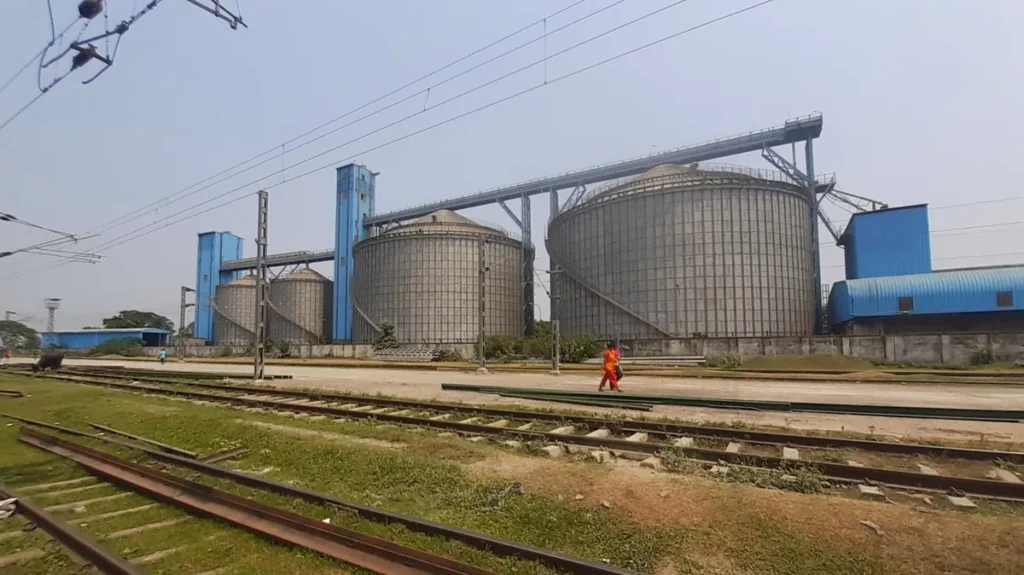
Image: Babin Mew, Wikimedia Commons, CC BY-SA 4.0
How to use this in Mains
If asked: UPSC Mains 2026, GS-III: Explain by giving two examples, how biotechnology has helped the Indian farmers in processing their perishable crops.
Quote: “Harvest and post-harvest losses were estimated at about ₹1.5 lakh crore a year by a NABCONS study (2022).”
Use it: Use as the opening data point on post-harvest losses.
In the news
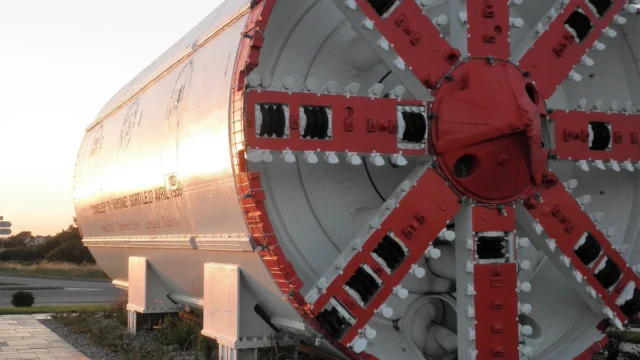
China to impose export controls on tunnel boring machines from 18 November: what it means for India
On 19 October 2026 China’s Commerce Ministry announced export controls on tunnel boring machines (TBMs) and related items from 18 November, calling them clearly dual-use. India imports TBMs for metro, rail and border tunnels and has faced customs delays on Chinese machines since 2024. China also announced controls on some drones.
19 Oct 2026
Pumped storage hydropower: India’s roadmap for 100 GW of ‘water batteries’ by 2035-36
A PIB backgrounder of 19 October 2026 explains how pumped storage projects (PSPs) will store solar and wind power for India’s grid. India runs 7.43 GW of pumped storage today, is building 15.87 GW more and has an assessed potential of 345.38 GW. A roadmap aims to add about 100 GW between 2025-26 and 2035-36.
19 Oct 2026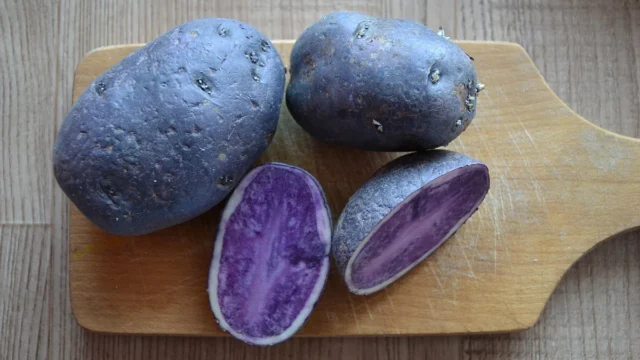
Kufri Jamunia: ICAR-CPRI’s purple potato to fight hidden hunger
A PIB backgrounder of 18 October 2026 puts the spotlight on Kufri Jamunia, a purple-fleshed potato bred by ICAR’s Central Potato Research Institute and released in 2024. It has nearly twice the Vitamin C of a common potato and several times more zinc and iron, along with antioxidants called anthocyanins. The idea is clever: instead of asking people to change what they eat, make the food they already eat more nutritious. That is biofortification.
18 Oct 2026
Oil companies bar sugar-based ethanol for 2026-27; maize incentive cut to ₹2.79 a litre
The oil marketing companies have kept sugar out of India’s ethanol programme for the coming year. The tender issued on 16 October 2026 seeks about 11 billion litres of ethanol for the 2026-27 supply year, but asks for none made from sugarcane juice, sugar syrup or B-heavy molasses, because the Government wants sugar diversion for ethanol cut to zero. Grain must now carry the load, and even the maize incentive has been cut. Read this as a live example of the food-versus-fuel trade-off.
18 Oct 2026