
National Biodiversity Authority shares ₹2.02 crore Access and Benefit-Sharing money from seed companies
Next story · 10 OctForest Rights Act: second regional review conference for eight eastern and central States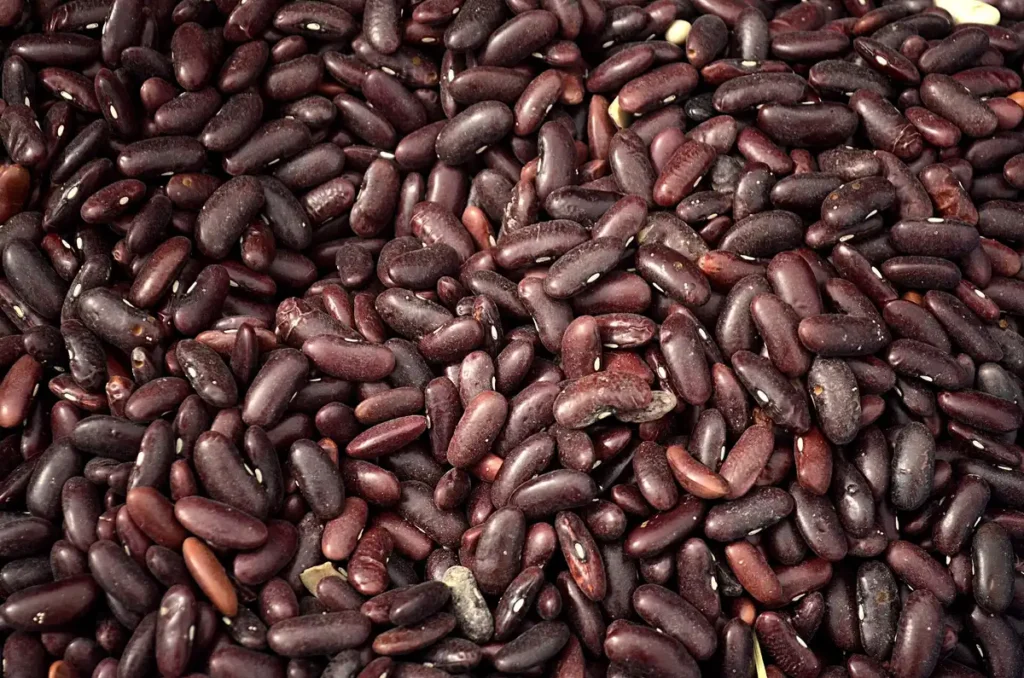
UPSC has already asked about this. Read the story with these questions in mind.
The National Biodiversity Authority distributed ₹2.02 crore of Access and Benefit-Sharing money, paid by seed companies using crops such as rice, tomato and okra, among 27 State Biodiversity Boards and 3 UT councils by cultivation area. Its total ABS disbursement has now reached ₹202 crore, ahead of CBD COP 17 in Yerevan from 19 October 2026.
- Amount
- ₹2.02 crore
- Recipients
- 27 SBBs, 3 UT councils
- Cumulative ABS
- ₹202 crore
- Law
- Biological Diversity Act, 2002
Access and Benefit-Sharing: what happened?
When a company uses India’s biological resources commercially, it pays a share back. This release shows how that money is split when the original growers cannot be traced.
- The NBA disbursed ₹2.02 crore among 27 States and 3 UTs as their share of ABS contributions from seed-sector companies using biological resources [PIB].
- Resources included rice, eggplant, cauliflower, cucumber, hot pepper, bottle gourd, bitter gourd, tomato and okra varieties/hybrids [PIB].
How does Access and Benefit-Sharing work?
- Companies using Indian biological resources pay ABS money under the Biological Diversity Act, 2002.
- Where resources came through markets or traders and individual claimants cannot be found, NBA splits the money among State Biodiversity Boards by the cultivated area of each crop (Agriculture Ministry statistics).
- States use it for Biodiversity Management Committees, People’s Biodiversity Registers and conserving traditional crop varieties.
- Three tiers: NBA (national), SBBs/UTBCs (State) and BMCs (local bodies).
Which States got the most?
| State | Amount (₹) |
|---|---|
| Madhya Pradesh | 23,81,072 |
| West Bengal | 23,32,913 |
| Odisha | 19,75,559 |
| Bihar | 17,28,852 |
| Gujarat | 13,29,870 |
| Uttar Pradesh (7th) | 9,80,038 |
Why does Access and Benefit-Sharing matter?
- Environment: Supports Target 13 (benefit-sharing) and Target 19 (resource mobilisation) of the Kunming-Montreal Global Biodiversity Framework.
- Communities: Money reaches local biodiversity bodies and farmers who conserve traditional varieties.
What can Prelims ask on Access and Benefit-Sharing?
- Biological Diversity Act, 2002; NBA-SBB-BMC structure.
- KMGBF Target 13 = benefit-sharing.
- CBD COP 17: Yerevan, Armenia, from 19 Oct 2026.
- Cumulative NBA ABS disbursal: ₹202 crore.
Image: PJeganathan, Wikimedia Commons, CC BY-SA 4.0
How to use this in Mains
If asked: How does Access and Benefit-Sharing support community-led conservation in India? (GS-III)
Quote: “Companies using Indian biological resources pay ABS money under the Biological Diversity Act, 2002.”
Use it: Your definition line in the intro; add the ₹202 crore total disbursed as evidence.
Exam angle
Prelims: ABS, KMGBF targets, COP 17 venue. · Mains GS-III: biodiversity conservation and benefit-sharing.
Practice MCQs
Original practice questions (not PYQs).
Which target of the Kunming-Montreal Global Biodiversity Framework deals with fair sharing of benefits from genetic resources?
Answer (b) & explanation
PIB, 10 Oct 2026: Target 13 on benefit-sharing; Target 19 on resource mobilisation.
The 17th CBD Conference of the Parties (COP 17) begins in October 2026 in
Answer (b) & explanation
PIB, 10 Oct 2026.
Questions students ask about this
What is Access and Benefit-Sharing?
A system under the Biological Diversity Act, 2002 where users of biological resources share benefits, often money, with the State and local communities.
How much did NBA disburse in October 2026?
₹2.02 crore among 27 State Biodiversity Boards and 3 UT Biodiversity Councils.
Where is CBD COP 17 being held?
In Yerevan, Armenia, starting 19 October 2026.
Keep studying
Go deeper
Official source: PIB, MoEFCC: NBA disburses Rs 2.02 crore ABS funds from seed sector, 10 Oct 2026
facts from cited sources only; faculty review pending