
RBI tightens forex derivative rules and opens a dollar window for oil companies
Next story · 10 OctPM Dhan-Dhaanya Krishi Yojana completes one year: 100 aspirational agricultural districts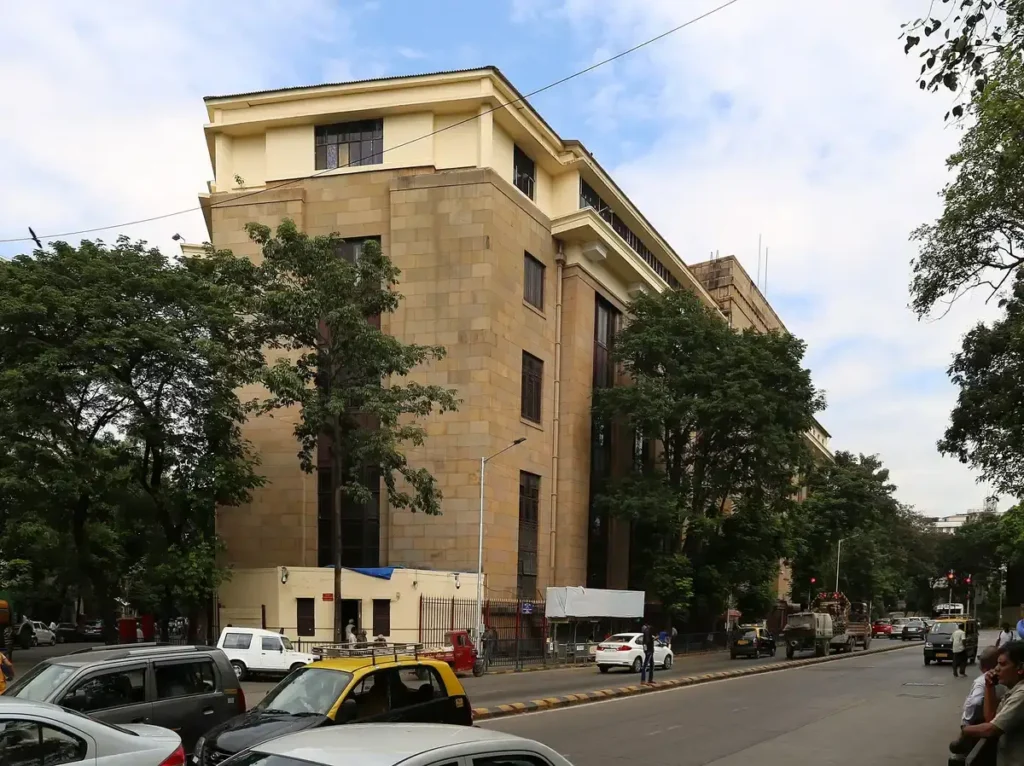
UPSC has already asked about this. Read the story with these questions in mind.
On 10 October 2026 RBI issued two circulars to curb speculation in the rupee: cancelled INR forex derivatives cannot be rebooked, the no-proof hedging limit falls from USD 100 million to USD 5 million, and banks must keep a 20% cash reserve on large dollar-buying hedges. RBI also opened a dollar window for three public sector oil companies.
- Date
- 10 Oct 2026
- No-proof hedge limit
- USD 100 mn → 5 mn
- OMC window
- IOCL, HPCL, BPCL
- Law
- FEMA, 1999
RBI measures to steady the rupee: what happened?
When the rupee is under pressure, RBI has two kinds of tools: sell dollars from reserves, or change rules so fewer people bet against the rupee. This time it used both.
- Rebooking banned: once an INR forex derivative is cancelled, it cannot be booked again with any Authorised Dealer. Rollover on maturity is still allowed.
- Lower threshold: users could hedge up to USD 100 million without proving an underlying exposure; now only USD 5 million, for both bank (OTC) contracts and exchange-traded currency derivatives.
- Extra paperwork: users must give an undertaking that the same exposure is not hedged with another bank.
- New Foreign Exchange Risk Reserve (FERR): for INR contracts above USD 2 million where the user buys foreign currency to hedge current account exposure, the bank keeps 20% of the rupee value with RBI in cash.
- Special window: from 12 October 2026 RBI sells dollars, through designated banks, to meet the entire daily dollar needs of IOCL, HPCL and BPCL, until further notice.
What is a forex derivative, and how can it be misused?
- A forward or option lets an importer fix today the rate at which it will buy dollars later. That is hedging: it protects real business.
- If a party books such contracts without any real import or export behind them, it is simply betting on the rupee falling. Rebooking cancelled contracts and large no-proof hedges are two easy ways to do this.
- So the new rules target bets, while genuine hedgers with documents can still protect themselves.
Why do oil companies matter so much for the rupee?
- India imports most of its crude oil, and oil companies pay in dollars. Their daily buying is a large share of dollar demand in the market. If RBI supplies them directly, that demand leaves the market and the rupee faces less pressure.
Under what law does RBI act here?
- The Foreign Exchange Management Act, 1999 (FEMA) empowers RBI to regulate foreign exchange transactions and Authorised Dealers.
- A.P. (DIR Series) circulars are RBI’s instructions to Authorised Persons (banks dealing in forex) under FEMA.
What changed on 10 October 2026?
| Rule | Before | Now |
|---|---|---|
| Rebooking cancelled INR contracts | Allowed | Not allowed (rollover still allowed) |
| Hedge without proving exposure | Up to USD 100 mn | Up to USD 5 mn |
| Cash reserve with RBI | None | FERR 20% on contracts above USD 2 mn (dollar purchase, current account) |
| OMC dollar needs | Bought in market | RBI window from 12 Oct 2026 |
How do these steps support the rupee?
- Fewer speculative dollar purchases (rebooking ban, lower limit)
- Costlier dollar buying through hedges (20% cash FERR)
- OMC demand met by RBI directly
- Less dollar demand in the open market
- Less pressure on the rupee
Why does RBI measures to steady the rupee matter?
| Angle | What to note |
|---|---|
| Economic | Defends the rupee without only spending reserves. |
| Monetary | FERR in cash locks bank money with RBI, so it also drains some rupee liquidity. |
| Business | Genuine importers can still hedge but face more paperwork and cost. |
| External sector | Shows the link between the current account, oil imports and the exchange rate. |
What are the challenges in RBI measures to steady the rupee?
- Higher hedging cost may hurt genuine importers, especially smaller ones.
- Speculation may move to offshore markets that RBI cannot directly control.
- The OMC window draws on forex reserves; it cannot run forever.
What should be done next on RBI measures to steady the rupee?
- Review the measures once the market calms, as RBI described them as a response to evolving conditions.
- Keep genuine hedging easy so firms are not left unprotected.
What can Prelims ask on RBI measures to steady the rupee?
- FERR = Foreign Exchange Risk Reserve: 20% of notional, in cash, for INR contracts above USD 2 million (dollar purchase, current account hedge).
- No-proof hedging limit cut to USD 5 million.
- OMC window: IOCL, HPCL, BPCL; from 12 Oct 2026.
- FEMA, 1999 is the governing law.
How to write about RBI measures to steady the rupee in Mains
Practice question (10 marks, 150 words): Explain how speculation in currency derivatives can weaken the rupee. Evaluate RBI’s October 2026 measures to deal with it.
- Intro: rupee pressure and RBI’s two circulars.
- How speculation works: rebooking, no-proof hedges.
- Measures: table of four changes plus OMC window.
- Costs: genuine hedgers, offshore shift, reserves.
- Conclusion: short-term defence, needs review.
Image: Sailko, Wikimedia Commons, CC BY 3.0
How to use this in Mains
If asked: How can RBI curb speculation in the currency market without hurting genuine hedgers? (GS-III)
Quote: “If a party books such contracts without any real import or export behind them, it is simply betting on the rupee falling.”
Use it: Use it to define the problem before listing RBI's new rules.
Exam angle
Prelims: FERR, USD 5 mn, OMC window, FEMA. · Mains GS-III: exchange rate management, external sector.
Practice MCQs
Original practice questions (not PYQs).
Under RBI's Oct 2026 measures, the Foreign Exchange Risk Reserve is
Answer (b) & explanation
RBI press release, 10 Oct 2026: 20% of the INR equivalent of the notional, kept with RBI in cash.
Consider the following about RBI's forex steps of October 2026:
1. Rollover of forex derivative contracts on maturity is banned.
2. The limit for hedging without proving exposure is now USD 5 million.
3. The OMC dollar window covers IOCL, HPCL and BPCL.
Which are correct?
Answer (b) & explanation
Rebooking of cancelled contracts is banned; rollover on maturity is still allowed. Statements 2 and 3 are correct.
Questions students ask about this
What is the Foreign Exchange Risk Reserve?
A cash reserve banks must keep with RBI equal to 20% of the rupee value of INR forex derivative contracts above USD 2 million where the user buys foreign currency to hedge current account exposure.
Why did RBI ban rebooking of cancelled forex contracts?
Rebooking lets a user take repeated positions on the rupee; the ban targets speculation while still allowing rollover at maturity.
Which companies get RBI's special dollar window?
Indian Oil, Hindustan Petroleum and Bharat Petroleum, from 12 October 2026 until further notice.
Keep studying
Go deeper
Official source: RBI: Regulatory Measures for the Foreign Exchange Market, 10 Oct 2026
facts from cited sources only; faculty review pending