
UPSC Mains 2024 GS3 Q2: model answer
What are the causes of persistent high food inflation in India? Comment on the effectiveness of the monetary policy of the RBI to control this type of inflation.
What the question wants
Causes of sticky food inflation and why interest rates do little against it.
How to structure it
Intro: food weight in CPI and recent levels. Body: (1) supply-side causes (weather, vegetables, pulses); (2) structural causes (storage, supply chain, demand shift); (3) how monetary policy works; (4) its limits against supply shocks. Conclusion: need supply-side tools with RBI anchoring expectations.
- 1(1) supply-side causes (weather, vegetables, pulses)
- 2(2) structural causes (storage, supply chain, demand shift)
- 3(3) how monetary policy works
- 4(4) its limits against supply shocks
Model answer
Food carries about 46% weight in the CPI. Food inflation stayed near or above 8% for much of 2023-24, driven by vegetables and pulses.
- Weather shocks and heatwaves
- Perishables with weak cold chain
- Pulse and edible oil shortfall
- Protein demand rising
Causes
- Weather shocks: heatwaves, erratic monsoon, El Niño in 2023.
- Perishables (tomato, onion, potato) with weak cold storage.
- Structural shortage of pulses and edible oils; import dependence.
- Rising demand for protein foods as incomes grow.
- Fragmented markets and many intermediaries.
Effectiveness of RBI policy
- Repo rate changes work on demand; they cannot make rain or grow tomatoes.
- Still, persistent food inflation feeds wage and inflation expectations, so the RBI under flexible inflation targeting (4% ± 2%) kept rates high through 2023-24.
- Tight policy can hurt growth while food prices barely respond.
The answer lies in supply tools: buffer stocks, timely imports, storage and crop diversification. The RBI's role is to stop food shocks spreading into general inflation.
Keywords, cases and data to drop in
CPI food weight supply shocks flexible inflation targeting second-round effects buffer stocks
Where most answers lose marks
- Claiming repo hikes directly lower vegetable prices.
Fresh examples from current affairs
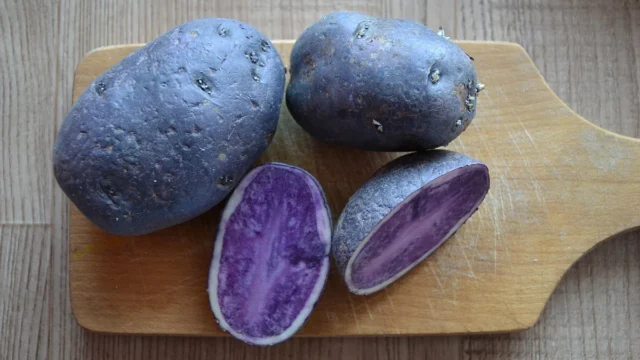
Kufri Jamunia: ICAR-CPRI’s purple potato to fight hidden hunger
A PIB backgrounder of 18 October 2026 puts the spotlight on Kufri Jamunia, a purple-fleshed potato bred by ICAR’s Central Potato Research Institute and released in 2024. It has nearly twice the Vitamin C of a common potato and several times more zinc and iron, along with antioxidants called anthocyanins. The idea is clever: instead of asking people to change what they eat, make the food they already eat more nutritious. That is biofortification.
UPSC angle: Prelims: Kufri Jamunia, CPRI, anthocyanins, biofortification vs fortification. · Mains GS-III: nutrition security; GS-II: hunger.
18 Oct 2026
Oil companies bar sugar-based ethanol for 2026-27; maize incentive cut to ₹2.79 a litre
The oil marketing companies have kept sugar out of India’s ethanol programme for the coming year. The tender issued on 16 October 2026 seeks about 11 billion litres of ethanol for the 2026-27 supply year, but asks for none made from sugarcane juice, sugar syrup or B-heavy molasses, because the Government wants sugar diversion for ethanol cut to zero. Grain must now carry the load, and even the maize incentive has been cut. Read this as a live example of the food-versus-fuel trade-off.
UPSC angle: Prelims: E20, NPB 2018, molasses grades, feedstocks. · Mains GS-III: energy security vs food security; farm incomes.
18 Oct 2026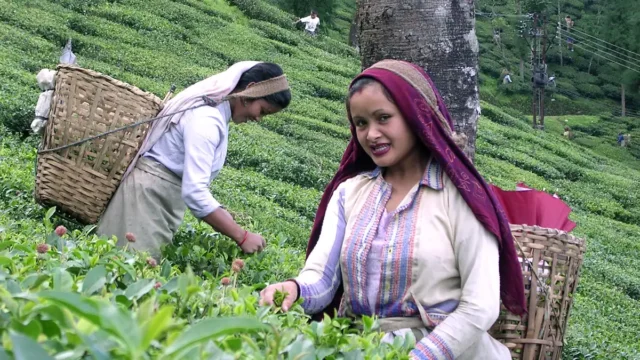
FSSAI proposes residue limits for acetamiprid and imidacloprid in tea
On 17 October 2026 FSSAI explained draft limits for two insecticides in tea: 20 ppm for acetamiprid and 50 ppm for imidacloprid. The draft, published in the Gazette on 16 October, amends the rules on contaminants, toxins and residues. India’s proposed acetamiprid limit is lower than Japan’s 30 ppm and the USA’s 50 ppm.
UPSC angle: Prelims: MRL, neonicotinoids, Insecticides Act 1968, FSS Act 2006. · Mains GS-III: pesticide regulation and food safety.
17 Oct 2026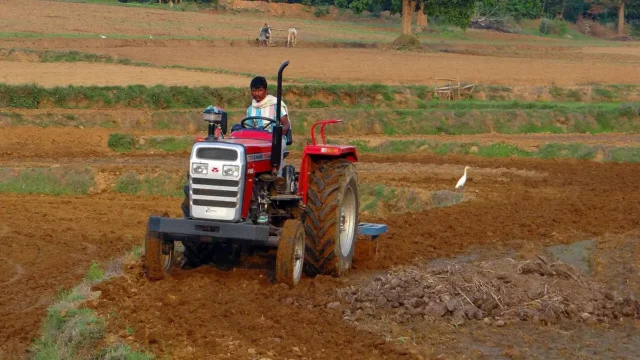
Khet Bachao Abhiyan: Centre reviews 22 October to 30 November farm campaign with States
On 17 October 2026 Union Agriculture Minister Shivraj Singh Chouhan reviewed preparations for the Khet Bachao Abhiyan with agriculture ministers of 11 States and UTs. The campaign runs from 22 October to 30 November 2026. About 4,150 teams of Krishi Vigyan Kendra and ATMA staff, with over 12,000 scientists and officials, plan around 1.5 lakh meetings with farmers on soil health, crop residue, balanced fertiliser use and key schemes.
UPSC angle: Prelims: Khet Bachao Abhiyan dates, KVK, ATMA, Soil Health Card. · Mains GS-III: agricultural extension and sustainable farming.
17 Oct 2026Learn the concept
Question text as printed in the official UPSC question paper: https://www.upsc.gov.in/sites/default/files/QP_CSM_2024_GenStud_III_03102024.pdf The model answer is original Battle IAS work; use it to learn structure, not to memorise.