
What are the powers of Special Executive Magistrates?
Not every ‘magistrate’ is a judge. In Delhi, a Special Executive Magistrate (SEM) court, run by a police officer of Assistant Commissioner rank, recently granted bail to two activists even though the police wanted them in custody longer. The case raises a simple question: what can an SEM do, and what can it not? Read it for the BNSS, 2023, Article 50 and the difference between executive and judicial magistrates.
- Law
- Section 15, BNSS, 2023
- Appointed by
- State government
- Main tool
- Peace bond of up to one year
- Cannot
- Try, convict or sentence anyone
Special Executive Magistrates: what happened?
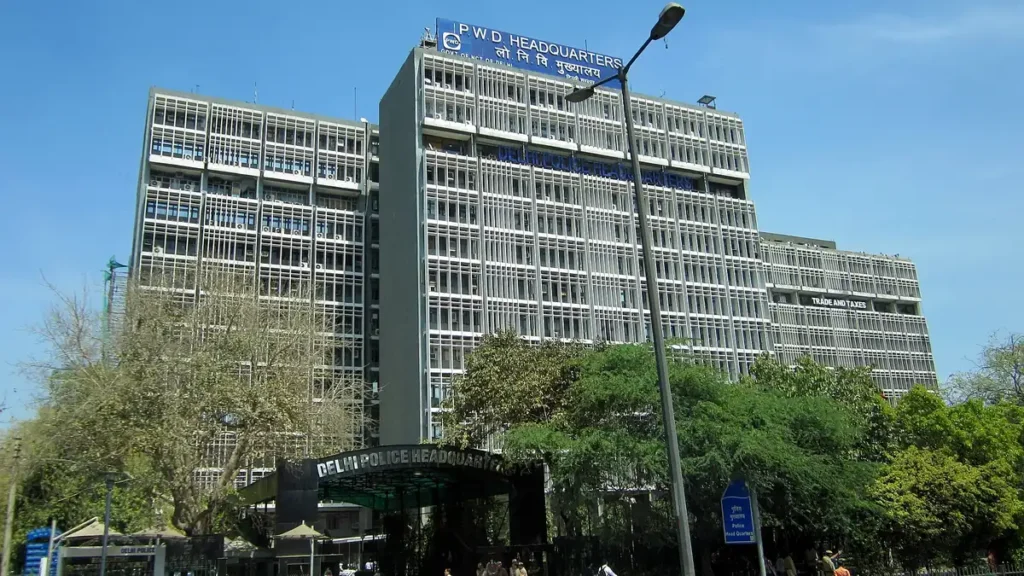
Think of two kinds of referees. One stops a fight before it starts; the other decides who broke the rules and hands out the punishment. An SEM is the first kind. Last Wednesday, an SEM court in Delhi, presided over by an Assistant Commissioner of Police, granted bail to two Cockroach Janta Party activists, though the police had asked for three more days of custody.
- SEMs are appointed by State governments for a specific area, purpose or period under Section 15 of the Bharatiya Nagarik Suraksha Sanhita (BNSS), 2023, the new law on criminal procedure.
- This case was only about an alleged breach of a signed peace bond (a written promise to keep the peace), not the criminal cases over the October 13 Jantar Mantar incident.
- Their toolkit: a peace bond of up to one year (Section 126), an inquiry with interim security (Section 135), detention for the rest of the bond period if it is broken (Section 141(1)(b)), and urgent orders against nuisance or danger.
- What is not theirs: preventive arrest (Section 170) is a police power, while trials, convictions and sentences belong to Judicial Magistrates (Section 9), who are appointed by the High Court.
- SEM orders are administrative, so a court can review them (judicial review).
Who is an executive magistrate, and how is that different from a judge?
An executive magistrate is a government officer, such as a District Magistrate (DM) or Sub-Divisional Magistrate (SDM), who is given some powers to keep law and order. The State government appoints them. Their job is to prevent trouble, not to punish crime.
A judicial magistrate is a judge in a criminal court. The High Court appoints them. They hold trials, decide guilt and give sentences.
A Special Executive Magistrate is an extra executive magistrate the State appoints for a particular job, place or time. Sometimes police officers are given this role, which is where the worry starts: the same arm that wants a person in custody also decides on that custody.
Executive versus Judicial Magistrate
| Point | Executive Magistrate (incl. SEM) | Judicial Magistrate |
|---|---|---|
| Appointed by | State government | High Court |
| Main job | Prevention: peace bonds, urgent orders | Trials, convictions, sentences |
| Examples | DM, SDM, SEM | Chief Judicial Magistrate, Judicial Magistrate First Class |
| Check on orders | Judicial review by courts | Appeal to higher courts |
Which laws and Articles apply?
- Article 50 (Directive Principle): the State shall separate the judiciary from the executive in public services.
- BNSS, 2023: Section 15 (SEMs), Section 9 (Judicial Magistrates), Sections 126, 135, 141 (peace bonds), Section 170 (preventive arrest by police).
- Article 19(1)(b): the right to assemble peacefully, which peace bonds can limit.
- The BNS, BNSS and Bharatiya Sakshya Adhiniyam replaced the IPC, CrPC and Evidence Act from 1 July 2024.
Why does Special Executive Magistrates matter?
| Angle | What to note |
|---|---|
| Separation of powers | A police officer sitting as SEM mixes the one who seeks custody with the one who decides it. |
| Liberty | Peace bonds need only a likelihood of trouble, not a crime, so they can keep protesters off the street. |
| Accountability | SEM orders can be challenged in court through judicial review. |
| New laws | Tests knowledge of BNSS section numbers and terms. |
What are the problems with Special Executive Magistrates?
- Judge in his own cause: police officers acting as SEMs.
- Low threshold: a bond can be demanded without any offence.
- Liberty depends on the officer: this SEM refused custody, another may not.
- Little public data on how often peace bonds are used.
What should be done next on Special Executive Magistrates?
- Any detention beyond a short period should go before a Judicial Magistrate.
- Written, reasoned orders with a quick appeal to the Sessions Court.
- Prefer revenue officers over police officers as SEMs.
- Publish data on peace bonds and their use against protesters.
What can Prelims ask on Special Executive Magistrates?
- Article 50: separation of judiciary from executive, a Directive Principle (UPSC 2020).
- Executive magistrates: appointed by the State; judicial magistrates: by the High Court.
- Peace bond: up to one year under Section 126, BNSS.
- Zero FIR under Section 173, BNSS (UPSC 2026).
- Three new criminal laws in force from 1 July 2024.
How to write about Special Executive Magistrates in Mains
Practice question (15 marks, 250 words): The Constitution does not follow strict separation of powers, but it does seek to keep the judiciary apart from the executive. Discuss with reference to the role of Special Executive Magistrates.
- Intro: the Delhi SEM bail case.
- What SEMs can do: peace bonds, urgent orders; what they cannot: trials and sentences.
- Concern: police officers as SEMs and Article 50.
- Safeguards: judicial review, reasoned orders, detention only before judges.
- Conclusion: prevention must not become punishment without trial.
Ready lines for your answer
- SEMs “cannot conduct criminal trials or convict people”; their “actions are subject to judicial review and administrative oversight”.
- Custody decisions belong with judges; executive magistrates should prevent trouble, not punish.
Quotable data pointA peace bond can run for up to one year under Section 126 of the BNSS, 2023.
Exam angle
Prelims: Article 50, executive vs judicial magistrates, BNSS sections, Zero FIR. · Mains GS-II: separation of powers, police reforms, civil liberties.
Practice MCQs
Original practice questions (not PYQs).
Consider the following statements:
1. Special Executive Magistrates are appointed by the High Court.
2. A peace bond under Section 126 of the BNSS can be for a period of up to one year.
3. Special Executive Magistrates cannot hold criminal trials or convict anyone.
How many of the above statements are correct?
Answer (b) & explanation
Statements 2 and 3 are correct. SEMs are appointed by the State government under Section 15 of the BNSS; Judicial Magistrates are appointed by the High Court.
Which provision of the Constitution directs the State to separate the judiciary from the executive in the public services of the State?
Answer (c) & explanation
Article 50, a Directive Principle of State Policy.
Questions students ask about this
Who appoints a Special Executive Magistrate?
The State government, under Section 15 of the BNSS, 2023, for a specific area, purpose or period.
Can a Special Executive Magistrate convict someone?
No. SEMs cannot hold criminal trials or convict anyone; that is the job of Judicial Magistrates appointed by the High Court.
What is a peace bond?
A written promise, sometimes with money as security, to keep the peace for up to one year (Section 126, BNSS).
Which Article asks for separating the judiciary from the executive?
Article 50, a Directive Principle of State Policy.