
Nepal kept selling power to India despite floods
Nepal makes almost all its electricity from its fast Himalayan rivers. In August, floods damaged its power plants and lines, yet in the next two months it sold power worth over ₹725 crore to India. Read it to revise India–Nepal power trade, run-of-the-river projects and pumped storage.
- Exported
- About 1,262 million units
- Value
- Over ₹725 crore
- Period
- 27 August to 27 October
- Capacity hit by floods
- About 430 MW
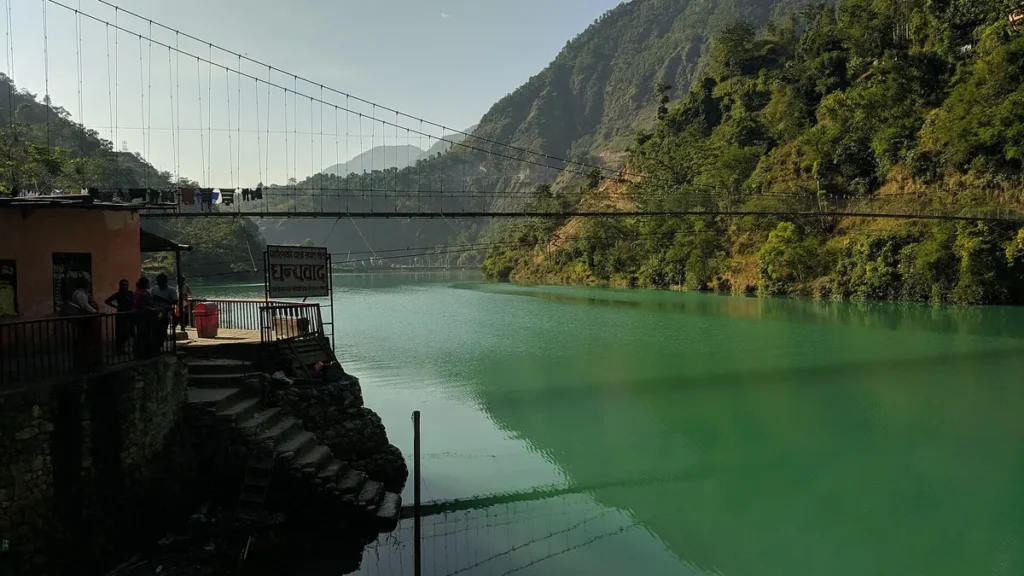
Nepal’s power exports: what happened?
In the monsoon, Nepal’s rivers run full and it makes more power than it can use. In winter, the rivers shrink and Nepal often buys power from India. This seasonal swap is now a key part of the relationship.
- Floods in August knocked out about 430 MW of Nepal’s capacity, including the 14 MW Devighat plant that supplies India.
- Even so, Nepal exported about 1,262 million units to India between 27 August and 27 October, worth over ₹725 crore.
- Nepal Electricity Authority spokesperson Achyut Babu Ghimire said: “We have a surplus of electricity during the monsoon.”
- Indian officials say lower demand inside Nepal after the floods also freed up power for export.
How does India–Nepal power trade work?
Most of Nepal’s plants are run-of-the-river projects. They use the river’s natural flow with little storage, so output is high in the monsoon and low in the dry winter.
India buys Nepal’s surplus power in the wet season, and Nepal imports from India in the dry season. In 2024, the two countries agreed that India would import 10,000 MW from Nepal over ten years.
Nepal has also sold power to Bangladesh through India’s grid, showing India’s role as a regional power hub.
Pumped storage hydropower stores energy by pumping water uphill when power is cheap and releasing it to make power when demand is high. It can help smooth seasonal swings.
How do the main kinds of hydropower differ?
| Type | How it works | Seasonal pattern |
|---|---|---|
| Run-of-the-river | Uses natural flow, little storage | High in monsoon, low in winter |
| Storage dam | Large reservoir holds water | Steady through the year |
| Pumped storage | Pumps water up, releases later | Works like a battery |
Which laws and Articles apply?
- Kosi Agreement (1954) and Gandak Agreement (1959) between India and Nepal.
- Mahakali Treaty (1996): basis for the Pancheshwar project.
- India–Nepal long-term power trade agreement (2024): 10,000 MW in ten years.
- Ghaghara, Gandak and Kosi rise in or flow through Nepal and join the Ganga.
Why does Nepal’s power exports matter?
| Angle | What to note |
|---|---|
| Energy | Clean hydropower helps India meet peak demand. |
| Diplomacy | Trade builds trust with a key neighbour. |
| Climate | Floods show the risk to Himalayan power plants. |
| Region | India is becoming the grid hub for South Asia. |
What are the problems with Nepal’s power exports?
- Floods and landslides often damage plants and lines.
- Run-of-the-river projects make little power in winter.
- Transmission lines between the two countries are limited.
- Big storage projects like Pancheshwar have been stuck for decades.
What should be done next on Nepal’s power exports?
- Build more cross-border transmission lines.
- Make plants and lines resilient to floods.
- Add storage and pumped storage to smooth seasonal supply.
- Speed up long-pending joint projects.
What can Prelims ask on Nepal’s power exports?
Prelims probability: Expect a question on pumped storage hydropower as energy storage, or on Himalayan rivers from Nepal (Ghaghara, Gandak, Kosi) that join the Ganga.
- Run-of-the-river: little storage; output depends on river flow.
- Pumped storage: works like a giant battery.
- Ghaghara, Gandak and Kosi flow from Nepal and join the Ganga.
- Mahakali Treaty (1996); Kosi (1954) and Gandak (1959) agreements.
- 2024 deal: India to import 10,000 MW from Nepal in ten years.
How to write about Nepal’s power exports in Mains
Practice question (15 marks, 250 words): Energy trade can become the anchor of India–Nepal relations. Discuss.
- Intro: exports continued despite floods.
- Seasonal trade; 10,000 MW deal; regional grid.
- Benefits for both countries.
- Challenges: floods, lines, stuck projects.
- Conclusion: resilient, connected Himalayan power.
Ready lines for your answer
- Electricity is now a bridge between India and Nepal.
- Himalayan power needs climate-proof plants and lines.
Quotable data pointNepal exported about 1,262 million units worth over ₹725 crore in two months after the floods.
Photo: Bhumbdr, CC BY-SA 4.0, via Wikimedia Commons
Exam angle
Prelims: run-of-the-river, pumped storage, Himalayan rivers. · Mains GS-II: India–Nepal relations and energy cooperation.
Practice MCQs
Original practice questions (not PYQs).
Consider the following statements:
1. Nepal exports surplus hydropower to India mainly during the monsoon.
2. Nepal sends electricity to Bangladesh through Indian territory.
3. Pumped storage hydropower is a way to store energy for long durations.
How many of the above statements are correct?
Answer (c) & explanation
All three are correct. Nepal imports power from India in the dry winter, when its river-based plants make less.
Which is the correct order, from west to east, of these Himalayan rivers joining the Ganga downstream of Prayagraj?
Answer (d) & explanation
From west to east: the Ghaghara, then the Gandak, then the Kosi. All three flow from Nepal into India.
Questions students ask about this
How much power did Nepal sell to India after the August floods?
About 1,262 million units between 27 August and 27 October, worth over ₹725 crore.
Why does Nepal have surplus power in the monsoon?
Most of its plants are run-of-the-river, so output rises when rivers are full.
What is pumped storage hydropower?
A system that pumps water uphill when power is cheap and releases it to generate power when demand is high.
How much power will India import from Nepal under the 2024 deal?
10,000 MW over ten years.