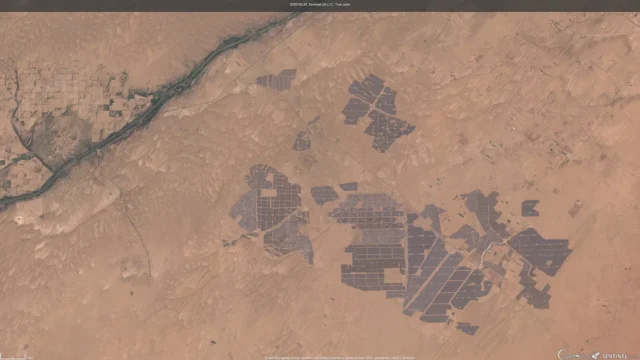
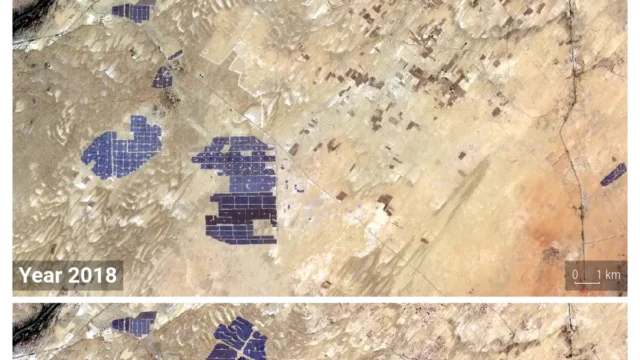
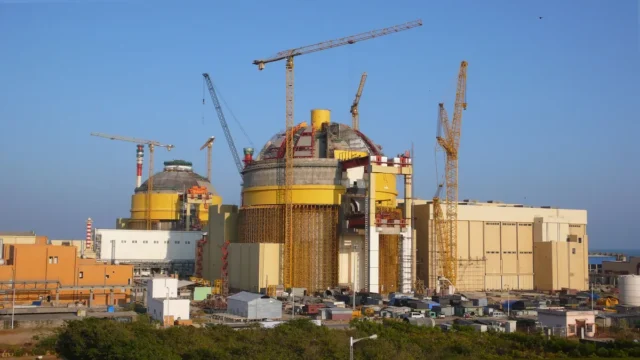
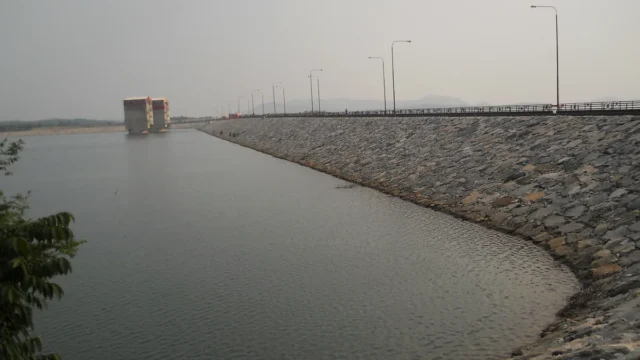
GS3 · Energy · InfrastructureA PIB backgrounder of 19 October 2026 explains how pumped storage projects (PSPs) will store solar and wind power for India’s grid. India runs 7.43 GW of pumped storage today, is building 15.87 GW more and has an assessed potential of 345.38 GW. A roadmap aims to add about 100 GW between 2025-26 and 2035-36.
UPSC angle: Prelims: PSP types, CEA, ISTS waiver, IRENA ranking. · Mains GS-III: storage and the clean energy transition.
19 Oct 2026GS3 · Economy · Energy and agricultureThe oil marketing companies have kept sugar out of India’s ethanol programme for the coming year. The tender issued on 16 October 2026 seeks about 11 billion litres of ethanol for the 2026-27 supply year, but asks for none made from sugarcane juice, sugar syrup or B-heavy molasses, because the Government wants sugar diversion for ethanol cut to zero. Grain must now carry the load, and even the maize incentive has been cut. Read this as a live example of the food-versus-fuel trade-off.
UPSC angle: Prelims: E20, NPB 2018, molasses grades, feedstocks. · Mains GS-III: energy security vs food security; farm incomes.
18 Oct 2026GS3 · Energy infrastructureOn 30 September 2026 the Union Cabinet approved Green Energy Corridor Phase-III, with an outlay of ₹1,86,405 crore by 2032-33. It will strengthen intra-State transmission to carry up to 135 GW of renewable energy and add 50 GWh of battery storage. Central financial support is ₹54,082 crore, to keep transmission charges and power costs down.
UPSC angle: Mains: Why transmission and storage, not generation, now limit renewable growth.
30 Sep 2026GS3 · Environment, energy efficiencyOn 30 September 2026 the Ministry of Power notified new Corporate Average Fuel Economy (CAFE) norms for passenger vehicles, in force from 1 April 2027 to 31 March 2032. The fuel-use benchmark tightens from 3.996 to 3.3273 litres per 100 km, an improvement of about 16.7 per cent, and the reference weight rises to 1,229 kg.
UPSC angle: Prelims: CAFE notifying ministry (Power, under the Energy Conservation Act). · Mains: Fleet-average standards as a nudge to EVs and hybrids.
30 Sep 2026GS2 · India–NepalIndia's Ministry of Power has approved export of up to 654 MW of electricity to the Nepal Electricity Authority, 18 hours a day, from 13 September to 31 December 2026. Up to 600 MW will flow through the Muzaffarpur-Dhalkebar line and up to 54 MW through Tanakpur-Mahendranagar. Floods had damaged Nepal's hydropower plants and cut its generation.
UPSC angle: Prelims: cross-border transmission lines.
14 Sep 2026GS3 · EnergyThe Incentive Scheme for Promotion of Domestic PNG Connections, launched on 18 August 2026 and in force since 1 September 2026, rewards city gas companies for adding billed home connections. For each connection above a set threshold, a company gets 200 standard cubic metres of cheaper APM gas. India had 1.74 crore home PNG connections on 18 August 2026.
UPSC angle: Prelims: PNGRB role; CGD.
13 Sep 2026