
Cost of a home-cooked thali jumps 16% in ten months
Food prices in India are rising fast. Food inflation climbed to 8.9% in October, the highest in at least 22 months of the new price series. An analysis of retail prices, published in The Hindu’s Data Point on 19 November, shows onion prices more than doubled since March, garlic rose 22% and rice 11%. Much of this is blamed on the long war between the United States and Iran, which began on 28 February with joint American and Israeli attacks on Iran. Trouble in the Strait of Hormuz, a key sea route for India’s energy, has hit supplies of crude oil and fertilisers. As a result, a simple vegetarian home-cooked thali now costs 16% more than in March. Families spend 14% more on meals than a year ago and 35% more than five years ago. The study assumes a family needs two thalis a day and prices 13 basic items, such as rice, toor dal, onion, atta and oil. Two thalis a day for a month now cost a household more than ₹2,500. Average wages were ₹26,310 in September, but the cost of meals grew a little faster, so households spend a slightly bigger share of their wages on food. Read it to revise the Consumer Price Index, the Wholesale Price Index, the base effect and the 4% inflation target.
- Food inflation
- 8.9% in October, the highest in at least 22 months of the new price series
- The thali
- A simple vegetarian home-cooked thali now costs 16% more than in March
- The monthly bill
- Two thalis a day for a month now cost a household more than ₹2,500
- Wages
- Average wages were ₹26,310 in September, but the cost of meals grew a little faster
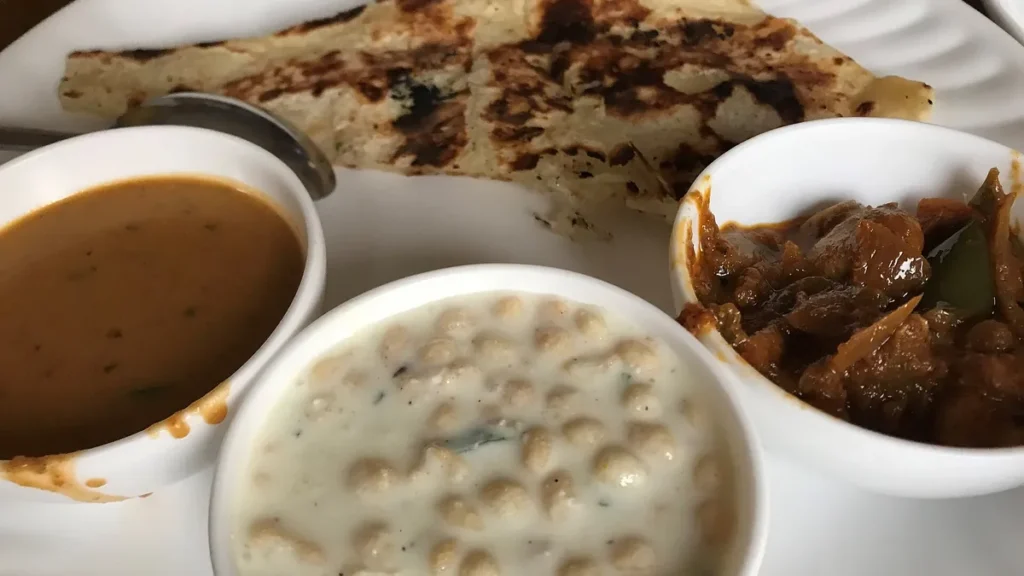
Why has a home-cooked thali become so much dearer since March?
A plate of dal, rice and sabzi is the simplest measure of a household budget. In ten months, that plate has become 16% dearer, and food inflation is at a 22-month high.
- Food inflation in India climbed to 8.9% in October, the highest in at least 22 months of the new price series.
- An analysis of retail prices, published in The Hindu on 19 November, shows onion prices more than doubled since March. Garlic rose 22% and rice 11%.
- Much of this is blamed on the long war between the United States and Iran. It began on 28 February with joint American and Israeli attacks on Iran. Trouble in the Strait of Hormuz, a key sea route for India’s energy, has hit supplies of crude oil and fertilisers.
- A simple vegetarian home-cooked thali now costs 16% more than in March. Families spend 14% more on meals than a year ago and 35% more than five years ago. The study assumes a family needs two thalis a day and prices 13 basic items, such as rice, toor dal, onion, atta and oil. Two thalis a day for a month now cost more than ₹2,500. Average wages were ₹26,310 in September, but the cost of meals grew a little faster.
How is food inflation measured, and why does a thali capture it so clearly?
India tracks consumer prices through the Consumer Price Index, released by the Ministry of Statistics and Programme Implementation, and wholesale prices through the Wholesale Price Index, released by the Office of the Economic Adviser in the Department for Promotion of Industry and Internal Trade. Food has a large weight in the consumer basket, so a jump in vegetables, pulses or cereals quickly shows up in headline inflation.
The Reserve Bank of India has a flexible inflation target of 4%, with a band of 2% to 6%, under the Reserve Bank of India Act. Food shocks do not stay on the farm: dearer oil and fertilisers raise the cost of growing and moving food, and households feel it at the plate.
A thali is not an official price index. It is a simple bundle of everyday items. That is why a 16% rise since March, and a monthly bill of more than ₹2,500 for two thalis a day, is easy for examiners to use and easy for families to recognise.
The base effect also matters. If prices were unusually low a year earlier, the same rise looks larger in percentage terms. Examiners have asked this idea before, and it is worth keeping beside the October figure of 8.9%.
What the 19 November 2026 analysis shows
| Item | Official or reported figure |
|---|---|
| Food inflation in October | 8.9%, highest in at least 22 months of the new series |
| Thali cost since March | Up 16% |
| Meals versus a year ago | Up 14% |
| Meals versus five years ago | Up 35% |
| Monthly cost of two thalis a day | More than ₹2,500 |
| Average wages in September | ₹26,310 |
Which laws, indices and targets apply?
- The Consumer Price Index is India’s main retail inflation series, used for the monetary-policy target.
- The Wholesale Price Index tracks prices at the wholesale level and often moves earlier than retail food prices.
- The Reserve Bank of India Act provides for a flexible inflation target, set at 4% with a tolerance band of 2% to 6%.
- Food and fertiliser supplies also depend on sea lanes such as the Strait of Hormuz, which matters for India’s energy and farm inputs.
Why does the sharp rise in the cost of a home-cooked thali matter?
| Angle | What to note |
|---|---|
| Prelims | 8.9% food inflation, 16% rise in the thali, 13 items in the plate, and the 4% inflation target. |
| Economy | A monthly meal bill of more than ₹2,500 against average wages of ₹26,310 in September. |
| External shock | The war that began on 28 February, and trouble in the Strait of Hormuz, have hit crude oil and fertiliser supplies. |
| Welfare | Salaried families may cut other spending; daily-wage families may struggle to eat well. |
What are the problems with the sharp rise in the cost of a home-cooked thali?
- A thali index is a useful picture, not an official series; policy still has to watch the Consumer Price Index and the Wholesale Price Index together.
- A war and a sea-lane shock are hard for a food ministry to fix quickly, so temporary relief may not last if oil and fertiliser stay dear.
- If wages lag the meal bill, poorer households cut quality or quantity first, which a single average wage figure can hide.
- The base effect can make a percentage look larger or smaller than the pain in the kitchen, so both the rate and the level matter.
What should be done next on the sharp rise in the cost of a home-cooked thali?
- Watch the next Consumer Price Index prints to see whether 8.9% food inflation is a peak or a new plateau.
- Keep the official and reported figures straight: 8.9%, 16% since March, 14% in a year, 35% in five years, and more than ₹2,500 a month.
- Policy has to ease supply — of onions, oilseeds, fertilisers and fuel — not only raise interest rates after the damage is done.
- Readers should note who releases which index, and that the inflation target is 4% with a 2% to 6% band.
What can Prelims ask on the sharp rise in the cost of a home-cooked thali?
Prelims probability: High. Inflation is a regular Prelims topic: food inflation causes and the base effect were both asked in 2011. Food inflation is at a 22-month high, and the war link makes it topical. Testable facts: 8.9% food inflation, who releases the Consumer Price Index and the Wholesale Price Index, the 4% target.
- Food inflation climbed to 8.9% in October, the highest in at least 22 months of the new price series.
- A simple vegetarian home-cooked thali now costs 16% more than in March; meals cost 14% more than a year ago and 35% more than five years ago.
- The study prices 13 basic items and assumes two thalis a day; the monthly cost is now more than ₹2,500.
- Average wages were ₹26,310 in September, but the cost of meals grew a little faster.
- Who releases the Consumer Price Index and the Wholesale Price Index, the 4% inflation target, and the base effect.
How to write about the sharp rise in the cost of a home-cooked thali in Mains
Practice question (15 marks, 250 words): Food inflation in India touched 8.9% in October and a home-cooked vegetarian thali now costs 16% more than in March. Discuss the causes of food inflation and the limits of monetary policy in dealing with supply shocks.
- Open with the official and reported figures: 8.9% food inflation, a 16% rise in the thali, and a monthly bill of more than ₹2,500.
- Separate demand from supply: the war that began on 28 February, trouble in the Strait of Hormuz, and dearer crude oil and fertilisers.
- Explain the Consumer Price Index, the Wholesale Price Index, the base effect and the 4% inflation target with a 2% to 6% band.
- Show how a wage of ₹26,310 in September looks against a rising meal bill, especially for daily-wage households.
- Close with what policy can and cannot do when the shock is in fuel, fertiliser and a sea lane, not only in domestic demand.
Ready lines for your answer
- A kitchen plate is often a clearer inflation lesson than a table of index weights.
- When meals outpace wages, households cut other spending, or they eat less well.
Quotable data pointThe Hindu Data Point, 19 November 2026: food inflation 8.9% in October; thali up 16% since March; meals up 14% in a year and 35% in five years; monthly cost of two thalis a day more than ₹2,500; average wages ₹26,310 in September.
Photo: Rajeeb Dutta, CC BY-SA 4.0, via Wikimedia Commons
Exam angle
Prelims: 8.9% food inflation in October, a 16% rise in the thali since March, who releases the Consumer Price Index and the Wholesale Price Index, and the 4% target. · Mains GS-III: causes of food inflation, the base effect, and how a wage of ₹26,310 looks against a rising meal bill.
Practice MCQs
Original practice questions (not PYQs).
According to a data analysis published on 19 November 2026, India's food inflation in October 2026 was
Answer (a) & explanation
Food inflation climbed to 8.9% in October 2026, the highest in at least 22 months of the new series.
Consider the following statements:
1. The Consumer Price Index is released by the National Statistics Office.
2. The Wholesale Price Index is released by the Reserve Bank of India.
3. Food has the largest weight in the Consumer Price Index basket.
How many of the above statements are correct?
Answer (b) & explanation
Statements 1 and 3 are correct. The Wholesale Price Index is released by the Office of the Economic Adviser in the Ministry of Commerce and Industry, not by the Reserve Bank of India.
A sudden rise in the inflation rate is sometimes attributed to the 'base effect'. This refers to
Answer (c) & explanation
Inflation is measured against prices a year earlier. If prices were unusually low a year ago, this year's rate looks high, and vice versa; this is the base effect.
Questions students ask about this
What was food inflation in October 2026?
8.9%, the highest in at least 22 months of the new price series.
How much has a home-cooked thali risen since March?
A simple vegetarian home-cooked thali now costs 16% more than in March.
What does the monthly meal bill look like?
Two thalis a day for a month now cost a household more than ₹2,500.
What happened to onion, garlic and rice?
Onion prices more than doubled since March, garlic rose 22% and rice rose 11%.
Who sets the inflation target?
The Reserve Bank of India has a flexible inflation target of 4%, with a band of 2% to 6%.