Modern Indian History
Modern Indian History explainers for UPSC.
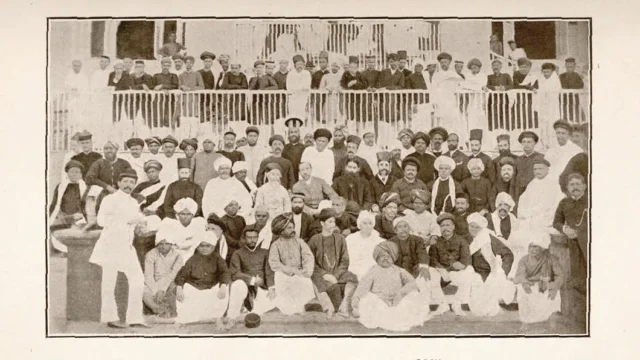
Modern Indian HistoryIndian National Congress for UPSC: 1885 Bombay session, Hume and the safety-valve theory, Moderates and Extremists, Surat split, key sessions and PYQs.
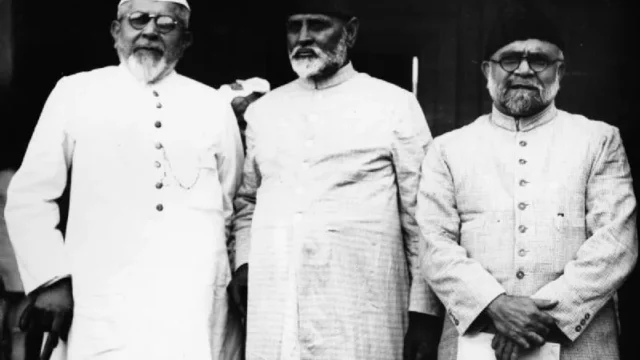
Modern Indian HistoryCabinet Mission 1946 for UPSC: members, 16 May plan, three-tier union, groups A, B and C, Constituent Assembly, interim government, Direct Action…
Modern Indian HistorySubsidiary Alliance for UPSC: Wellesley's terms, Hyderabad first in 1798, Mysore, Awadh, the Marathas, effects on Indian States, Doctrine of Lapse and…
Modern Indian HistoryGovernment of India Act 1935 for UPSC: federation, provincial autonomy, dyarchy at the Centre, three lists, residuary powers, 1937 elections, legacy and…
Modern Indian HistoryDrain of wealth for UPSC: Dadabhai Naoroji's Poverty and Un-British Rule in India, Home Charges and other components, R.C. Dutt, estimates, impact…
Modern Indian HistoryRevolt of 1857 for UPSC: political, economic, military and social causes, centres and leaders, British commanders, why it failed, nature debate and…
Modern Indian HistoryPartition of Bengal for UPSC: Curzon's stated and real motives, the anti-partition and Swadeshi movement, Surat split, 1911 annulment and real Prelims…
Modern Indian HistoryNon-Cooperation Movement for UPSC: Rowlatt Act, Jallianwala Bagh, Khilafat, Nagpur session, programme, regional spread, Chauri Chaura, withdrawal and PYQs.
Modern Indian HistoryCivil Disobedience Movement for UPSC: Lahore session, Dandi March, regional spread, Gandhi-Irwin Pact, Round Table Conferences, Communal Award and PYQs.
Modern Indian HistorySwadeshi Movement for UPSC: why the 1905 Partition of Bengal triggered it, boycott and national education, leaders, why it declined, its legacy,…