
UPSC Mains 2022 GS Paper 1 Q6: model answer
Discuss the natural resource potentials of ‘Deccan Trap’.
What the question wants
Discuss the natural resources the Deccan Trap region offers.
How to structure it
Discuss: resource by resource.
- What the Trap is
- Soils and agriculture
- Minerals and stone
- Water and other
- Limits
How to think it through
The Deccan Trap is basalt lava laid layer upon layer like a staircase ('trap' comes from Swedish 'trappa', stairs). Basalt weathers into black cotton soil, which is the region's real treasure. Then add stone, bauxite caps, groundwater limits and tourism.
Model answer
The Deccan Trap covers about 5 lakh sq km of Maharashtra, Gujarat, Madhya Pradesh, Karnataka and Telangana, formed by fissure eruptions about 66 million years ago. 'Trap' comes from the Swedish word for stairs, after its step-like hills.
Resource potential
- Black (regur) soil: rich in lime, iron, magnesia and potash; holds moisture; ideal for cotton, soybean, sugarcane, jowar and pulses.
- Building stone: basalt for construction, roads and railways; historic forts and the Ajanta–Ellora caves.
- Bauxite and laterite: weathered caps in Kolhapur and the Amarkantak plateau.
- Semi-precious stones: agate and chalcedony in Khambhat.
- Groundwater in fractured and weathered basalt; dug wells sustain farming.
- Fertile valleys of the Godavari, Krishna and Tapi support orchards, such as Nashik's grapes.
- Hydropower and reservoirs: Koyna, Jayakwadi.
- Forests, wind and tourism: Western Ghats edges, Mahabaleshwar, wind farms on plateaus.
Limits
- Basalt aquifers store little water; overuse causes drought in Marathwada.
- Black soil cracks and erodes; needs careful management.
The region's fortune rests on its soil and stone, wisely managed.
Draw: Map of the Deccan Trap extent with cotton belt and key sites.
Keywords, cases and data to drop in
Fissure eruption, Réunion hotspot, regur, laterite, Koyna, Khambhat agates, basalt aquifer.
Where most answers lose marks
- Calling the Trap mineral-rich in metals. Its main wealth is soil and stone.
Related Mains PYQs
- Analyze the major drivers of human-induced land-use changes in India and their geographical consequences. UPSC 2026 · GS-I
- What are non-farm primary activities? How are these activities related to physiographic features in India? Discuss with suitable examples. UPSC 2025 · GS-I
- Give a geographical explanation of the distribution of off-shore oil reserves of the world. How are they different from the on-shore occurrences… UPSC 2025 · GS-I
- What is regional disparity? How does it differ from diversity? How serious is the issue of regional disparity in India? UPSC 2024 · GS-I
Fresh examples from current affairs

Cauvery panel tells Karnataka to release 3,000 cusecs to Tamil Nadu: Article 262 and the inter-State water dispute
The Cauvery Water Regulation Committee has told Karnataka to ensure 3,000 cusecs of water a day at Biligundlu for 15 days, and the Cauvery Water Management Authority has endorsed it. Tamil Nadu wanted almost five times more, including a claimed backlog. Karnataka says a weak monsoon has left its four Cauvery reservoirs 55% short and most of its taluks in drought. For you, this is a live case study of Article 262, water tribunals and how a dry year turns sharing into a crisis.
UPSC angle: Prelims: Cauvery source and tributaries, Article 262, ISWD Act 1956, CWMA. · Mains GS-II: inter-State water disputes; cooperative federalism.
25 Oct 2026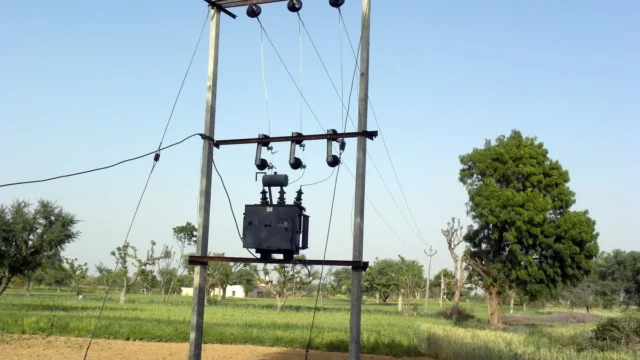
Haryana’s first private power distributor: what a parallel licence means for Gurugram and Nuh
The Haryana Electricity Regulatory Commission (HERC) on 19 October 2026 gave Eleven Power Pvt Ltd a 25-year parallel distribution licence for Gurugram and Nuh. It will be Haryana’s first private distributor and India’s second case of parallel licensing after Mumbai. The State government and power-sector staff oppose it and plan to appeal to the Appellate Tribunal for Electricity.
UPSC angle: Prelims: Section 14, APTEL, Concurrent List Entry 38. · Mains GS-III: discom reform, cross-subsidy, competition.
22 Oct 2026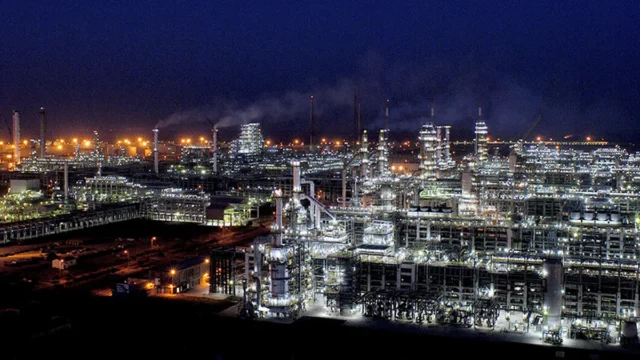
Rubio at Jamnagar: US pitches oil and Venezuelan crude to India’s ‘refining superpower’
US Secretary of State Marco Rubio visited Reliance’s Jamnagar refinery complex in Gujarat on 21 October 2026, a day after calling India a ‘refining superpower’. He wants India to buy more US oil and refine more Venezuelan crude. In Mumbai on 20 October, External Affairs Minister S. Jaishankar also held an unannounced India–US–UAE meeting on energy and connectivity, with the Strait of Hormuz blocked.
UPSC angle: Prelims: Jamnagar, Hormuz, I2U2, IMEC, SPR sites. · Mains GS-II/III: energy security vs strategic autonomy; India–US–UAE.
21 Oct 2026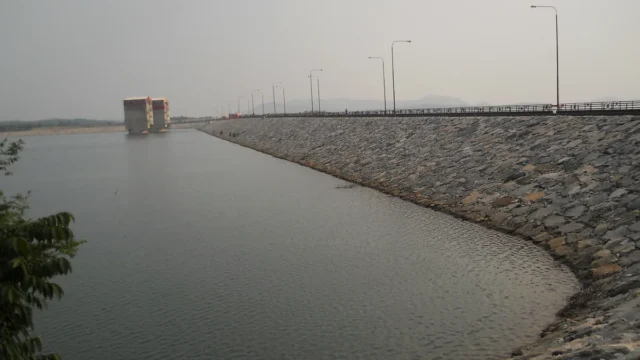
Pumped storage hydropower: India’s roadmap for 100 GW of ‘water batteries’ by 2035-36
A PIB backgrounder of 19 October 2026 explains how pumped storage projects (PSPs) will store solar and wind power for India’s grid. India runs 7.43 GW of pumped storage today, is building 15.87 GW more and has an assessed potential of 345.38 GW. A roadmap aims to add about 100 GW between 2025-26 and 2035-36.
UPSC angle: Prelims: PSP types, CEA, ISTS waiver, IRENA ranking. · Mains GS-III: storage and the clean energy transition.
19 Oct 2026Learn the concept
Question text as printed in the official UPSC Civil Services (Main) question paper. The model answer is original Battle IAS work; use it to learn structure, not to memorise.
Want every PYQ in one place? See the Battle IAS PYQ Book.