
UPSC Mains 2024 GS1 Q4: model answer
What is sea surface temperature rise? How does it affect the formation of tropical cyclones?
What the question wants
Define SST rise and explain its effect on cyclone formation and intensity.
How to structure it
Intro: definition and trend. Body: (1) Effect on tropical cyclones: Threshold, Fuel, Rapid intensification, Heavier rain. Conclusion: SST is necessary but not sufficient; shear and moisture also decide.
- 1(1) Effect on tropical cyclones: Threshold
- 2Fuel
- 3Rapid intensification
- 4Heavier rain
Model answer
Sea surface temperature (SST) is the temperature of the ocean's top layer. Oceans have absorbed over 90% of the extra heat from global warming, and the Indian Ocean is among the fastest-warming basins.
Effect on tropical cyclones
- Threshold: cyclones form over water warmer than about 26.5°C; warmer seas widen the area and season of formation.
- Fuel: more evaporation means more latent heat released in clouds, which drives the storm.
- Rapid intensification: Ockhi (2017) and Tauktae (2021) strengthened within hours, cutting warning time.
- Heavier rain: air holds about 7% more moisture per degree of warming.
- Arabian Sea shift: once quieter, it now sees more severe cyclones, such as Biparjoy (2023).
Wind shear and other factors still matter, so cyclone numbers may not rise, but stronger storms become more likely. Warning systems and coastal preparedness must adapt.
Keywords, cases and data to drop in
26.5°C threshold latent heat rapid intensification Arabian Sea warming Biparjoy
Where most answers lose marks
- Not explaining the mechanism.
Fresh examples from current affairs
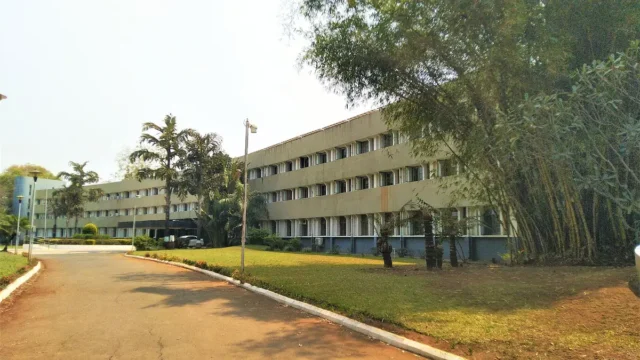
IITM Pune holds first consultation of the Climate Science into Services for India Forum
The Indian Institute of Tropical Meteorology (IITM), Pune, under the Ministry of Earth Sciences, held the first stakeholder consultation of the Climate Science into Services for India Forum (CSSIF) on 17 October 2026. More than 150 participants from over 80 institutions, including RBI, NDRF, NIDM and State climate cells, discussed what climate information each sector needs. Speakers stressed the need for a national Climate Services Information System (CSIS).
UPSC angle: Prelims: IITM, GFCS, INCOIS, NAPCC. · Mains GS-III: climate adaptation and services.
17 Oct 2026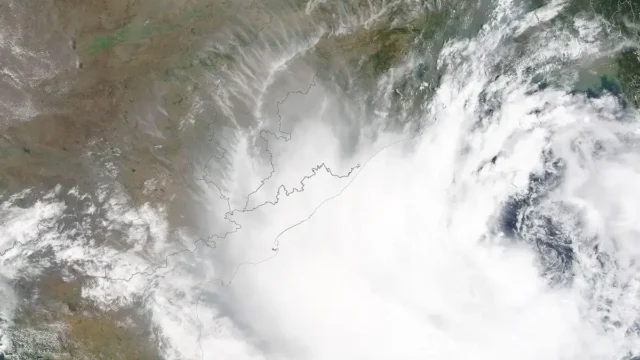
IMD launches a map-based Decision Support System for cyclone and marine warnings
On 12 October 2026 the India Meteorological Department dedicated a Cyclone Warning and Marine Weather Services Decision Support System to the nation. The WebGIS platform shows cyclone track, intensity, winds, rainfall, storm surge and district-wise warnings on one map for disaster managers and the public.
UPSC angle: Prelims: IMD, cone of uncertainty, storm surge. · Mains GS-III: early warning and disaster preparedness.
13 Oct 2026
Pre-COP31 in Fiji: India seeks “flexibility, pragmatism and mutual respect” and scaled-up climate finance
At the Pre-COP31 meeting in Nadi, Fiji, India's Environment Minister asked for flexibility, pragmatism and mutual respect so that COP31 gives an ambitious and balanced result. India said higher ambition must come with climate finance, technology and capacity building, and that each country's path must be respected. COP31 is in Antalya, Türkiye, in November.
UPSC angle: Prelims: COP venues, Paris articles. · Mains GS-III: climate change; GS-II: international agreements.
8 Oct 2026
India–Japan Joint Crediting Mechanism gets an operational manual under Article 6.2 of the Paris Agreement
India and Japan launched the Operational Manual for their Joint Crediting Mechanism in New Delhi on 30 September 2026. Under Article 6.2 of the Paris Agreement, the mechanism lets Japanese low-carbon technology be deployed in India and the resulting emission cuts be issued as credits. The manual sets the full project cycle, from idea note to credit issuance.
UPSC angle: Prelims: Article 6 sub-parts. · Mains GS-III: carbon markets.
5 Oct 2026Learn the concept
Question text as printed in the official UPSC question paper: https://www.upsc.gov.in/sites/default/files/QP_CSM_2024_GenStud_I_03102024.pdf The model answer is original Battle IAS work; use it to learn structure, not to memorise.