
UPSC Mains 2025 GS3 Q2: model answer
What are the challenges before the Indian economy when the world is moving away from free trade and multilateralism to protectionism and bilateralism ? How can these challenges be met ?
What the question wants
Challenges from a protectionist world and India's responses.
How to structure it
Intro: the shift. Body: (1) Challenges for India: Market access, Weak dispute settlement, Trade diversion, Standards as barriers; (2) Meeting them. Conclusion: A large domestic market and strategic partnerships give India room to turn this disruption into.
- 1(1) Challenges for India: Market access, Weak dispute settlement, Trade diversion, Standards as barriers
- 2(2) Meeting them
Model answer
Since the US-China trade war of 2018, and sharply with US tariffs in 2025, world trade is moving from WTO-based rules to unilateral tariffs and bilateral deals.
Challenges for India
- Market access: the US raised tariffs on many Indian goods to 50% in August 2025, hitting textiles, gems and jewellery, shrimp.
- Weak dispute settlement: the WTO Appellate Body is non-functional since 2019.
- Trade diversion: cheap Chinese goods redirected to India; dumping cases rise.
- Standards as barriers: EU's Carbon Border Adjustment Mechanism and deforestation rules.
- Supply chains: dependence on China for APIs, electronics and solar components.
Meeting them
- Faster FTAs: UAE CEPA and Australia ECTA (2022), EFTA TEPA, UK CETA (2025); talks with the EU.
- Export diversification to Africa, Latin America and West Asia.
- Competitiveness: PLI, logistics (PM Gati Shakti), lower input tariffs.
- Rupee trade settlement and anti-dumping safeguards.
- Keep pressing for WTO reform with like-minded countries.
A large domestic market and strategic partnerships give India room to turn this disruption into a chance to join new value chains.
Keywords, cases and data to drop in
protectionism bilateralism US tariffs 2025 FTAs CBAM PLI
Where most answers lose marks
- Only listing challenges.
- Not referring to current trade events.
Fresh examples from current affairs
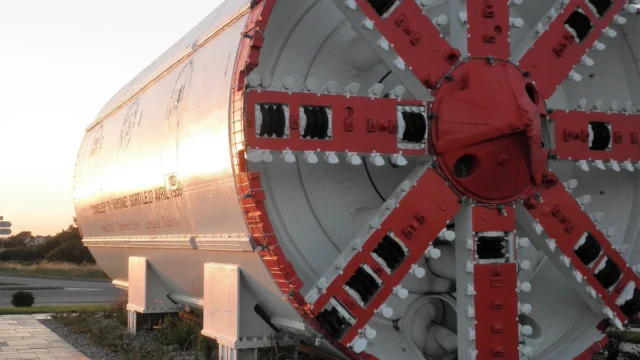
China to impose export controls on tunnel boring machines from 18 November: what it means for India
On 19 October 2026 China’s Commerce Ministry announced export controls on tunnel boring machines (TBMs) and related items from 18 November, calling them clearly dual-use. India imports TBMs for metro, rail and border tunnels and has faced customs delays on Chinese machines since 2024. China also announced controls on some drones.
UPSC angle: Prelims: export control regimes, SCOMET, Wassenaar, MTCR. · Mains GS-II/III: China dependence and supply-chain resilience.
19 Oct 2026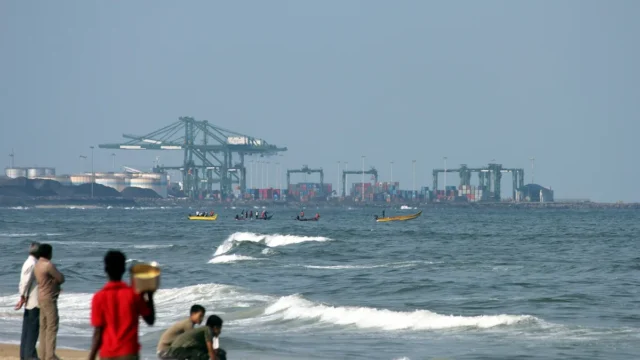
September 2026 trade data: merchandise exports up 23% to US$ 44.40 billion
India's merchandise exports rose 23.04% to US$ 44.40 billion in September 2026, data released by the Commerce Ministry on 15 October show. Imports were US$ 74.61 billion, leaving a goods trade deficit of US$ 30.21 billion. Counting services, exports reached about US$ 80.75 billion and the combined deficit was US$ 13.30 billion.
UPSC angle: Prelims: merchandise vs services trade, trade deficit vs current account deficit. · Mains GS-III: export diversification and the external sector.
15 Oct 2026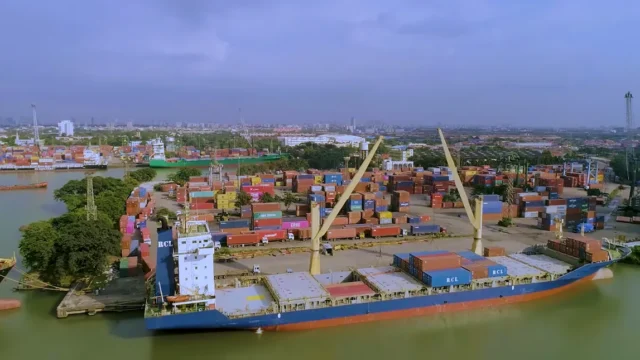
India-UK JETCO: first review of the trade deal (CETA) since it came into force
The 16th India-UK Joint Economic and Trade Committee (JETCO) met in New Delhi on 12 October 2026. It was the first JETCO since CETA talks began in January 2022. Both sides reviewed early trade under CETA, agreed to share data every year on its use, and fixed the 17th JETCO for the UK in 2027.
UPSC angle: Prelims: JETCO, CETA, eCoO 2.0, tariff-rate quota. · Mains GS-II/GS-III: India-UK relations; FTAs and exports.
12 Oct 2026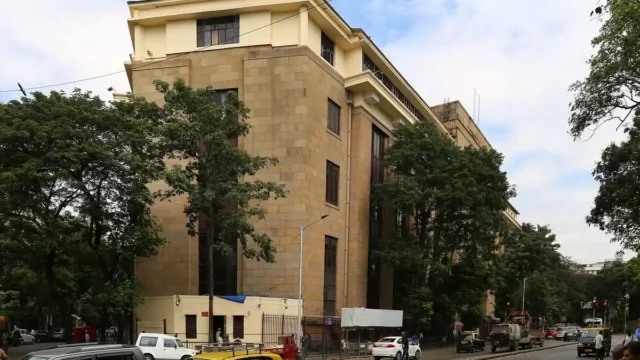
RBI tightens forex derivative rules and opens a dollar window for oil companies
On 10 October 2026 RBI issued two circulars to curb speculation in the rupee: cancelled INR forex derivatives cannot be rebooked, the no-proof hedging limit falls from USD 100 million to USD 5 million, and banks must keep a 20% cash reserve on large dollar-buying hedges. RBI also opened a dollar window for three public sector oil companies.
UPSC angle: Prelims: FERR, USD 5 mn, OMC window, FEMA. · Mains GS-III: exchange rate management, external sector.
10 Oct 2026Learn the concept
Question text as printed in the official UPSC question paper: https://www.upsc.gov.in/sites/default/files/GENERAL-STUDIES-PAPER-III-QP-CSM-25-010925.pdf The model answer is original Battle IAS work; use it to learn structure, not to memorise.