
UPSC Mains 2025 GS3 Q6: model answer
How can India achieve energy independence through clean technology by 2047 ? How can biotechnology can play a crucial role in this endeavour ?
What the question wants
Path to energy independence by 2047 using clean technologies, with biotechnology's role.
How to structure it
Intro: goal and import bill. Body: (1) Clean technology path; (2) Role of biotechnology. Conclusion: combine solar, wind, nuclear and bio-energy with domestic supply chains.
- 1(1) Clean technology path
- 2(2) Role of biotechnology
Model answer
In 2021 India set the goal of energy independence by 2047. It still imports most of its oil and much of its gas, coal and solar components.
Clean technology path
- Renewables: 500 GW non-fossil capacity by 2030; non-fossil sources crossed half of installed capacity in 2025.
- Green hydrogen: National Green Hydrogen Mission (2023), 5 million tonnes a year by 2030, to replace imported gas in fertiliser and refining.
- Storage and EVs: battery PLI, pumped hydro, FAME and PM E-DRIVE.
- Nuclear: Nuclear Energy Mission for small modular reactors (Budget 2025), 100 GW by 2047.
- Domestic manufacturing of solar modules and critical minerals mission.
Role of biotechnology
- 2G ethanol from crop residue (Panipat refinery, 2022); 20% ethanol blending reached in 2025.
- Compressed biogas from waste under SATAT and GOBARdhan.
- Enzymes and engineered microbes to cut biofuel costs.
- Algal biofuels and bio-hydrogen research.
- BioE3 Policy (2024) for bio-manufacturing.
Combining sun, wind, atoms and biology, while building domestic supply chains, is how India can make 2047 a year of energy freedom.
Keywords, cases and data to drop in
energy independence 2047 500 GW Green Hydrogen Mission 2G ethanol SATAT BioE3
Where most answers lose marks
- Ignoring the biotechnology part.
Fresh examples from current affairs
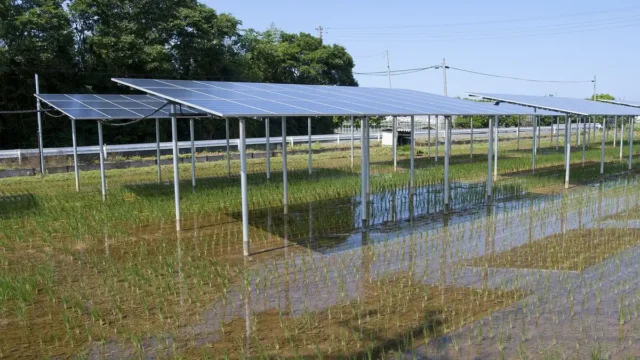
Agrivoltaics: Centre plans a scheme to push solar panels above farms; 5 GW seen in 3–4 years
MNRE Secretary Santosh Kumar Sarangi said on 19 October 2026 that the Centre is planning a central sector scheme to help States adopt agrivoltaics, either standalone or within PM-KUSUM 2.0. He expects capacity to cross 5 GW in three to four years if States notify feed-in tariffs. India hosts the 7th Agrivoltaics World Conference in New Delhi from 21 to 23 October.
UPSC angle: Prelims: agrivoltaics, PM-KUSUM components, feed-in tariffs. · Mains GS-III: energy transition and food security.
20 Oct 2026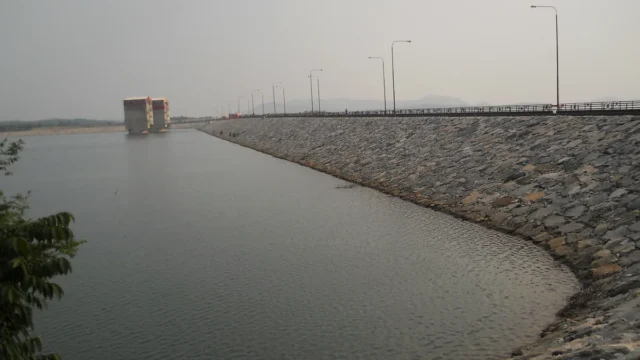
Pumped storage hydropower: India’s roadmap for 100 GW of ‘water batteries’ by 2035-36
A PIB backgrounder of 19 October 2026 explains how pumped storage projects (PSPs) will store solar and wind power for India’s grid. India runs 7.43 GW of pumped storage today, is building 15.87 GW more and has an assessed potential of 345.38 GW. A roadmap aims to add about 100 GW between 2025-26 and 2035-36.
UPSC angle: Prelims: PSP types, CEA, ISTS waiver, IRENA ranking. · Mains GS-III: storage and the clean energy transition.
19 Oct 2026
Oil companies bar sugar-based ethanol for 2026-27; maize incentive cut to ₹2.79 a litre
The oil marketing companies have kept sugar out of India’s ethanol programme for the coming year. The tender issued on 16 October 2026 seeks about 11 billion litres of ethanol for the 2026-27 supply year, but asks for none made from sugarcane juice, sugar syrup or B-heavy molasses, because the Government wants sugar diversion for ethanol cut to zero. Grain must now carry the load, and even the maize incentive has been cut. Read this as a live example of the food-versus-fuel trade-off.
UPSC angle: Prelims: E20, NPB 2018, molasses grades, feedstocks. · Mains GS-III: energy security vs food security; farm incomes.
18 Oct 2026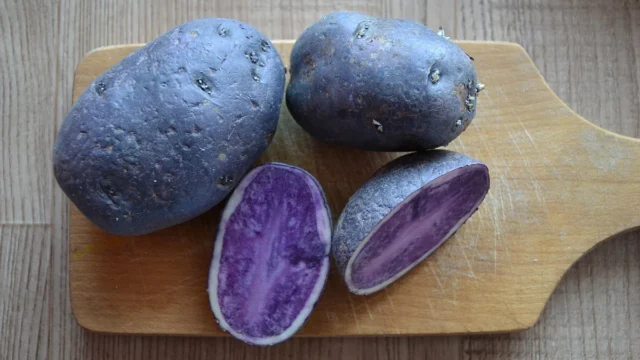
Kufri Jamunia: ICAR-CPRI’s purple potato to fight hidden hunger
A PIB backgrounder of 18 October 2026 puts the spotlight on Kufri Jamunia, a purple-fleshed potato bred by ICAR’s Central Potato Research Institute and released in 2024. It has nearly twice the Vitamin C of a common potato and several times more zinc and iron, along with antioxidants called anthocyanins. The idea is clever: instead of asking people to change what they eat, make the food they already eat more nutritious. That is biofortification.
UPSC angle: Prelims: Kufri Jamunia, CPRI, anthocyanins, biofortification vs fortification. · Mains GS-III: nutrition security; GS-II: hunger.
18 Oct 2026Learn the concept
Question text as printed in the official UPSC question paper: https://www.upsc.gov.in/sites/default/files/GENERAL-STUDIES-PAPER-III-QP-CSM-25-010925.pdf The model answer is original Battle IAS work; use it to learn structure, not to memorise.