
Compressed natural gas price up for sixth time
Mahanagar Gas Limited, which supplies gas in Mumbai, raised the price of compressed natural gas by ₹1.5 a kg from Sunday. A kilogram now costs ₹91.5. This is the sixth rise since 14 May and the second in November. In all, the price has gone up by ₹9.5 a kg. The war in West Asia has cut supplies from Qatar, one of the world’s largest and most reliable sellers of liquefied natural gas, so buyers hunt for gas elsewhere and pay more on the spot market. The company says it gets less cheap domestic gas and must buy more costly imported gas linked to world prices. Taxi, auto and car users therefore pay more. Read it to revise compressed and liquefied natural gas, domestic gas allocation, the 2006 regulator and the Strait of Hormuz.
- Who raised the price
- Mahanagar Gas Limited, which supplies Mumbai
- New price
- ₹91.5 a kg, up ₹1.5 from Sunday
- How many rises
- Sixth since 14 May; second in November; ₹9.5 a kg in all
- Why
- Less cheap domestic gas; costlier imports after Qatar’s supply was cut
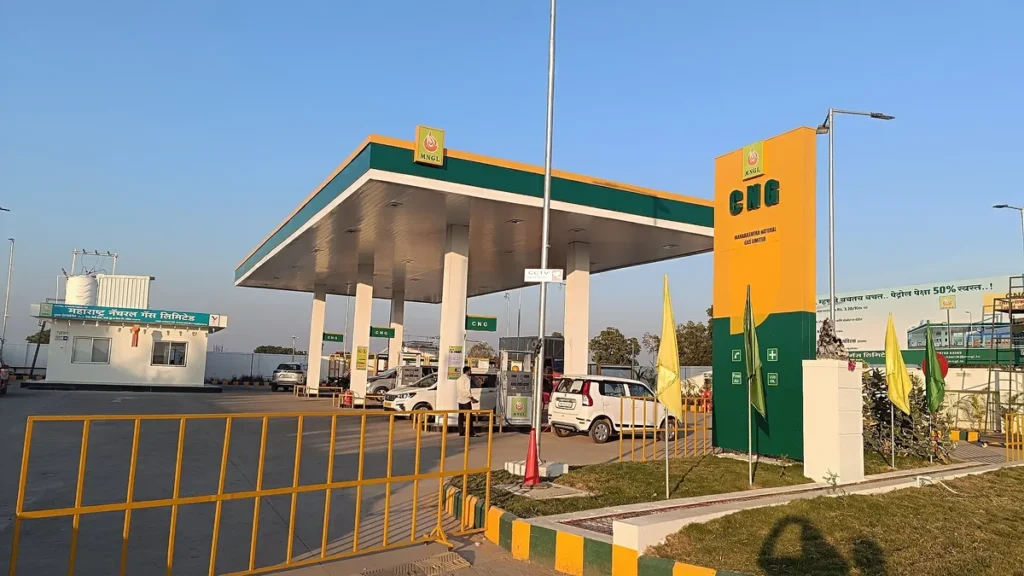
Why has the compressed natural gas price risen again in Mumbai?
A kilogram of cooking and vehicle gas in Mumbai now costs ₹91.5. The sixth rise since May is not only a local tariff change; it is a West Asia shock arriving at the petrol pump.
- Mahanagar Gas Limited, which supplies gas in Mumbai, raised the price of compressed natural gas by ₹1.5 a kg from Sunday. A kilogram now costs ₹91.5.
- This is the sixth rise since 14 May and the second in November. In all, the price has gone up by ₹9.5 a kg.
- The war in West Asia has cut supplies from Qatar, one of the world’s largest and most reliable sellers of liquefied natural gas. Buyers now hunt for gas elsewhere and pay more on the spot market.
- The company says it gets less cheap domestic gas and must buy more costly imported gas linked to world prices. So taxi, auto and car users pay more.
What is compressed natural gas, and who regulates it?
Compressed natural gas is mainly methane, squeezed to a high pressure so that it can be stored in vehicle cylinders and sold by the kilogram. It is a cleaner transport fuel than petrol or diesel, which is why many taxis and autos run on it.
Liquefied natural gas is the same methane cooled to about minus 162°C, so that it becomes a liquid and can be shipped in tankers. India imports a large share of its gas in this form, including from Qatar.
The Petroleum and Natural Gas Regulatory Board was set up under a 2006 Act to regulate downstream oil and gas, including city gas distribution. Retail prices of compressed natural gas are not a single national rate; city gas companies revise them as their input costs change.
Much of the world’s seaborne gas from West Asia passes the Strait of Hormuz. A war that cuts Qatar’s shipments therefore shows up quickly in Indian city gas costs, especially where a company is using a smaller share of cheap domestic gas and a larger share of imported gas.
Compressed gas, liquefied gas and the price change
| Item | What to note |
|---|---|
| Compressed natural gas | Methane stored under high pressure; sold by the kilogram for vehicles and some kitchens |
| Liquefied natural gas | Methane cooled to about minus 162°C so that it can be shipped |
| New Mumbai price | ₹91.5 a kg, up ₹1.5; sixth rise since 14 May, ₹9.5 a kg in all |
| Regulator | Petroleum and Natural Gas Regulatory Board, set up under the 2006 Act |
Which laws and institutions apply?
- Petroleum and Natural Gas Regulatory Board Act, 2006: set up the downstream oil and gas regulator, including for city gas distribution.
- City gas distribution authorisations: companies such as Mahanagar Gas supply a notified geographical area.
- Domestic gas allocation policy: cheaper locally produced gas is allotted by priority; a smaller allotment means more costly imports.
- The Strait of Hormuz is not a treaty body, but it is the sea lane on which much of West Asia’s liquefied natural gas reaches India.
Why does the compressed natural gas price rise matter?
| Angle | What to note |
|---|---|
| Economy | A city gas price is a living example of how import dependence and a war premium pass through to everyday transport costs. |
| Energy security | Qatar’s cut supply and a thinner domestic allocation show why India watches both pipelines at home and sea lanes abroad. |
| Prelims | Methane in compressed natural gas, minus 162°C for liquefied gas, the 2006 regulator, and the Strait of Hormuz. |
| Governance | Retail prices are revised by the city gas company as input costs change; they are not a single national tariff. |
What are the problems with the compressed natural gas price rise?
- Repeated rises since May — six in a few months, including a second rise in November — make it hard for taxi and auto drivers to plan fares.
- When a company gets less cheap domestic gas, ordinary users pay the world price with little warning and no staged cushion.
- India’s import dependence means a shock at Hormuz or in Qatar arrives quickly at the pump, even if the war is far away.
- A city-wise price also means the same national shock is felt unevenly: Mumbai moved this week; other cities may move on a different day and by a different amount.
What should be done next on the compressed natural gas price rise?
- A clearer public account of how much cheap domestic gas each city company receives would explain why some cities move faster than others.
- A longer gap, or a smaller step, between revisions would give commercial drivers time to adjust fares.
- Steady work on domestic gas production, pipelines and storage would reduce the share that has to be bought on the spot market in a crisis.
- Users should know that compressed natural gas is not a fixed-price fuel, and that its price tracks both domestic allocation and the world gas market.
What can Prelims ask on the compressed natural gas price rise?
Prelims probability: Medium. Gas regulation was asked in 2019 and the Hormuz route in 2026. Fresh West Asia supply shock. Testable facts: methane in compressed natural gas, minus 162°C for liquefied gas, the 2006 regulator.
- Compressed natural gas is mainly methane stored under high pressure; liquefied natural gas is methane cooled to about minus 162°C.
- Petroleum and Natural Gas Regulatory Board: set up under the 2006 Act.
- Mahanagar Gas raised the Mumbai price by ₹1.5 to ₹91.5 a kg, the sixth rise since 14 May and the second in November, ₹9.5 a kg in all.
- The company cites less cheap domestic gas and costlier imports after Qatar’s liquefied natural gas supply was cut by the West Asia war.
- The Strait of Hormuz is the sea lane through which much of West Asia’s seaborne gas reaches India.
How to write about the compressed natural gas price rise in Mains
Practice question (15 marks, 250 words): The retail price of compressed natural gas in Indian cities has risen sharply in 2026. Discuss the reasons and the implications for energy security and urban transport.
- Open with the Mumbai revision: ₹1.5 to ₹91.5 a kg from Sunday, the sixth rise since 14 May, ₹9.5 a kg in all, by Mahanagar Gas.
- Explain compressed natural gas as methane under pressure, and liquefied natural gas as methane cooled to about minus 162°C for shipping.
- Link the rise to a thinner domestic allocation and to costlier imports after Qatar’s supply was cut, including the role of the Strait of Hormuz.
- Note the 2006 regulator and the fact that city gas prices are not a single national tariff.
- Close with the impact on taxi, auto and car users, and with the need for clearer allocation, domestic supply and a cushion against sudden revisions.
Ready lines for your answer
- A city gas price is a world price wearing a local badge.
- Six rises since May are a reminder that cheap domestic gas is an allocation, not a right.
Quotable data pointMahanagar Gas, Mumbai: compressed natural gas up ₹1.5 to ₹91.5 a kg from Sunday; sixth rise since 14 May, second in November, ₹9.5 a kg in all; Qatar’s liquefied natural gas supply cut by the West Asia war.
Photo: K.Venkataramana, CC0, via Wikimedia Commons
Exam angle
Prelims: methane in compressed natural gas, minus 162°C for liquefied gas, the 2006 regulator, the Strait of Hormuz. · Mains GS-III: energy security, import dependence and urban fuel prices.
Practice MCQs
Original practice questions (not PYQs).
Consider the following statements:
1. Compressed natural gas is mainly made up of methane.
2. Liquefied natural gas is natural gas cooled to about minus 162°C.
3. The Petroleum and Natural Gas Regulatory Board was set up under an Act passed in 2006.
How many of the above statements are correct?
Answer (c) & explanation
All three are correct. Compressed natural gas is mostly methane; natural gas turns liquid at about minus 162°C; the regulator was set up under the Petroleum and Natural Gas Regulatory Board Act, 2006.
After the price rise of 16 November 2026, compressed natural gas in Mumbai costs about how much per kilogram?
Answer (a) & explanation
Mahanagar Gas raised the price by ₹1.5 to ₹91.5 a kg, the sixth rise since 14 May, a total increase of ₹9.5 a kg.
Questions students ask about this
By how much did the Mumbai compressed natural gas price rise, and what is the new rate?
It rose by ₹1.5 a kg from Sunday, to ₹91.5 a kg.
How many times has the price risen since May?
This is the sixth rise since 14 May and the second in November. In all, the price has gone up by ₹9.5 a kg.
Why does the company say it had to raise the price?
It gets less cheap domestic gas and must buy more costly imported gas, after the West Asia war cut supplies from Qatar.
What is the difference between compressed and liquefied natural gas?
Both are mainly methane. Compressed gas is stored under high pressure; liquefied gas is cooled to about minus 162°C so that it can be shipped.
Which body regulates city gas distribution?
The Petroleum and Natural Gas Regulatory Board, set up under a 2006 Act.