
ICMR Centre for High Altitude Medicine at Keylong: foundation stone laid
Next story · 12 OctHospitals must display rates: Centre writes to States and UTs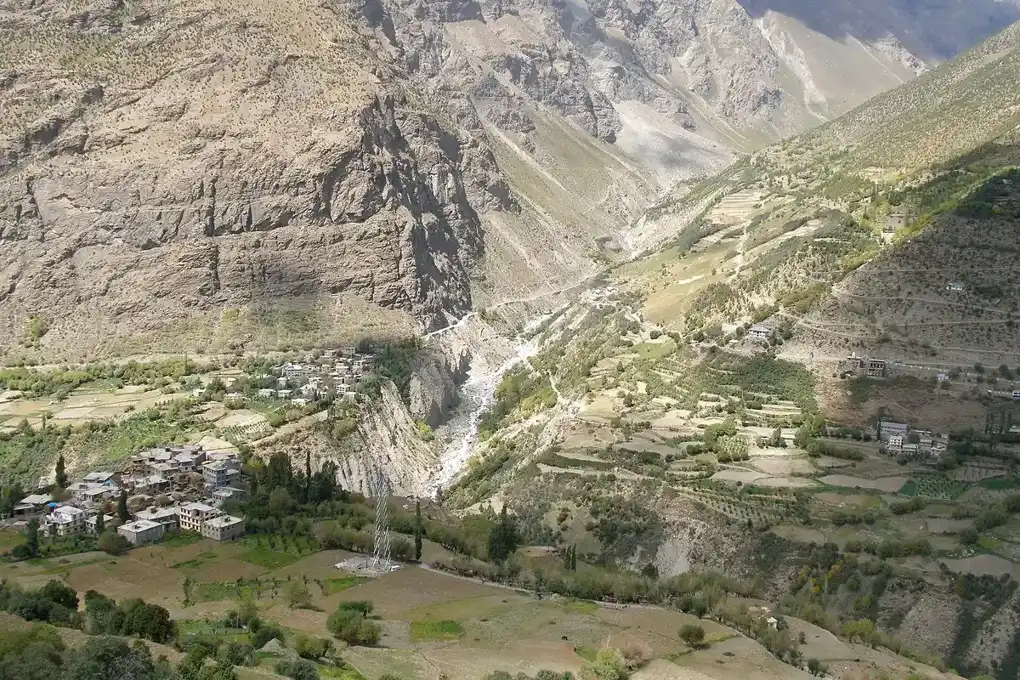
On 12 October 2026 the Union Health Minister laid the foundation stone of the ICMR Centre for High Altitude Medicine and Public Health Research at Keylong, Himachal Pradesh. ICMR, the Armed Forces Medical Services and AIIMS Bilaspur will study how low oxygen and extreme cold affect Himalayan communities and soldiers.
- Centre
- ICMR high-altitude medicine
- Place
- Keylong, HP
- Date
- 12 Oct 2026
- Partners
- AFMS, AIIMS Bilaspur
The ICMR high-altitude centre: what happened?
Millions of people live in the Himalaya and many soldiers serve at extreme altitude, yet India has relied largely on outside research for their health. The new centre is meant to build India’s own evidence.
- The Union Health Minister laid the foundation stone of the ICMR Centre for High Altitude Medicine and Public Health Research at Keylong, Himachal Pradesh, on 12 October 2026.
- ICMR, the Armed Forces Medical Services and AIIMS Bilaspur will work together on research into low oxygen, extreme cold and the health of Himalayan and tribal communities and soldiers.
What will the centre study?
- Health effects of low oxygen levels, extreme cold, changing climate and the lifestyles of tribal communities.
- Joint research with the Armed Forces Medical Services on soldiers at high altitude and border communities.
- AIIMS Bilaspur will study the impact of high altitude on patients visiting the region.
- Drone-enabled medicine delivery, digital health and artificial intelligence to improve access in remote areas.
Who runs ICMR?
- The Indian Council of Medical Research works under the Department of Health Research, Ministry of Health and Family Welfare; its Director General is also Secretary of the Department.
Why does the ICMR high-altitude centre matter?
- Health: Preventive and promotive care built on local data for Himalayan communities.
- Security: Better medical care for troops deployed in high-altitude terrain.
What can Prelims ask on the ICMR high-altitude centre?
- Keylong is in Himachal Pradesh (headquarters of Lahaul and Spiti district).
- Partners: ICMR, Armed Forces Medical Services, AIIMS Bilaspur.
- ICMR is under the Department of Health Research.
Image: Vyacheslav Argenberg, Wikimedia Commons, CC BY 4.0
How to use this in Mains
If asked: Why does India need region-specific health research for high-altitude and tribal populations? (GS-II)
Quote: “Health effects of low oxygen levels, extreme cold, changing climate and the lifestyles of tribal communities.”
Use it: Use it in the body to list the research gaps; conclude with the civil-military research partnership.
Exam angle
Prelims: location and partners of the centre. · Mains GS-II: health in remote and border areas.
Practice MCQs
Original practice questions (not PYQs).
The ICMR Centre for High Altitude Medicine and Public Health Research (foundation stone Oct 2026) is located in
Answer (b) & explanation
PIB, 12 Oct 2026: Keylong, Himachal Pradesh.
Questions students ask about this
Where is the ICMR high-altitude centre?
At Keylong in Himachal Pradesh.
Who are the partners?
ICMR, the Armed Forces Medical Services and AIIMS Bilaspur.
What will it research?
Health effects of low oxygen and extreme cold on Himalayan communities and soldiers, plus drone delivery of medicines, digital health and AI for remote areas.
Keep studying
Go deeper
Official source: PIB: Union Health Minister lays foundation stone of ICMR Centre for High Altitude Medicine and Public Health Research at Keylong, 12 Oct 2026
facts from cited sources only; faculty review pending