
Panel to review pharma marketing code: UCPMP 2024 and why a voluntary code is not enough
Next story · 24 OctNVS-03 launch on 30 October: can ISRO’s new satellite bring NavIC back to life?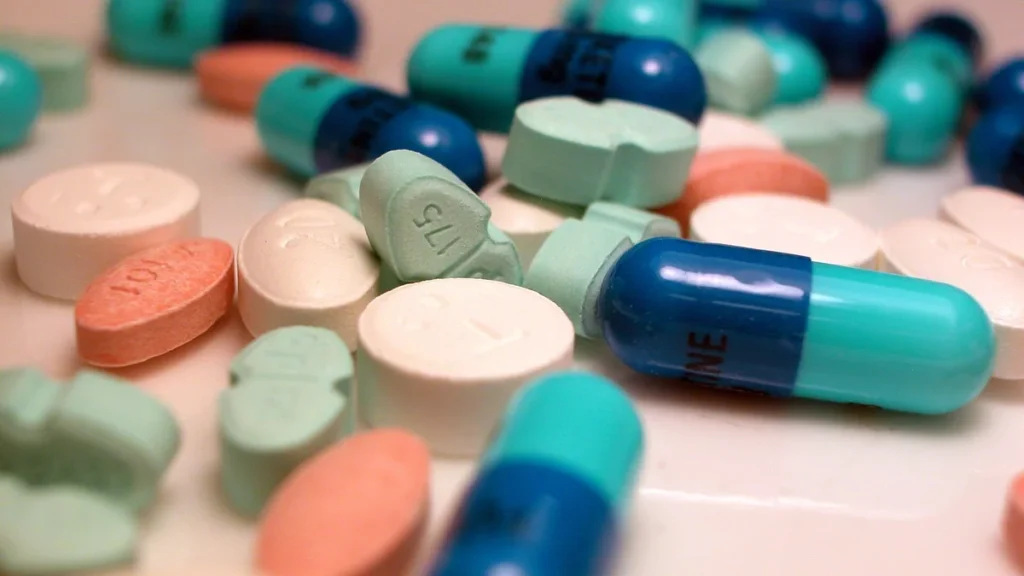
The Department of Pharmaceuticals has set up a committee under Dr. M. Srinivas, Member, NITI Aayog, to review how drug companies market medicines and to suggest ways to curb unethical practices, PIB said on 23 October 2026. Former Union Health Secretary Preeti Sudan and Dr. Naresh Trehan of Medanta are members, and the report is due within two months of its first meeting. The core issue: the Uniform Code for Pharmaceutical Marketing Practices is still voluntary.
- Chair
- Dr. M. Srinivas, NITI Aayog
- Deadline
- 2 months from first meeting
- Current code
- UCPMP 2024
- Nature
- Voluntary, industry-led
Pharma marketing panel: what happened?
When a doctor writes a prescription, it should be because the medicine is right for you, not because a company sent a gift. This committee is about protecting that trust.
- 23 Oct 2026: the Department of Pharmaceuticals, Ministry of Chemicals and Fertilizers, constituted the committee.
- Terms of reference: a holistic look at unethical marketing; how well monitoring and enforcement work; whether regulatory or statutory measures are needed.
- It will consult stakeholders and experts before giving recommendations.
- The UCPMP came in 2015 as a voluntary code; UCPMP 2024 replaced it and is in operation now.
What is the UCPMP?
- A code that governs how drug companies interact with healthcare professionals.
- It limits gifts, travel, hospitality and free samples given to doctors and their families.
- Complaints go to ethics committees in industry associations, with an appeal to an apex committee in the Department.
- Being voluntary, it carries no penalties under a law.
How did the code change?
| Point | UCPMP 2015 | UCPMP 2024 |
|---|---|---|
| Introduced | 2015 | 2024, superseding 2015 |
| Nature | Voluntary, industry-led | Voluntary, stronger implementation framework |
| Status | Replaced | In operation |
| Next step | — | Review by the Srinivas committee |
What is the legal angle?
- Article 47 (DPSP): the State shall improve public health.
- Doctors’ conduct rules bar them from accepting gifts, travel and hospitality from drug firms.
- Apex Laboratories v. DCIT (2022): the Supreme Court held that freebies given to doctors cannot be claimed as business expenses.
- Drug advertising is also governed by the Drugs and Magic Remedies (Objectionable Advertisements) Act, 1954.
What are the challenges?
- No legal penalty under a voluntary code.
- Industry bodies judge their own members’ complaints.
- Hidden benefits like conferences abroad and ‘consultancy’ fees are hard to trace.
- Patients pay through costlier brands and needless prescriptions.
What should be done?
- Give the code statutory backing with clear penalties.
- Mandatory public disclosure of payments to doctors.
- An independent body to hear complaints, not industry associations.
- Promote generic prescribing and Jan Aushadhi stores.
What can Prelims ask on pharma marketing?
- UCPMP: first in 2015, replaced by UCPMP 2024.
- Department of Pharmaceuticals is under the Ministry of Chemicals and Fertilizers.
- The code is voluntary and industry-led.
- Committee chair: Dr. M. Srinivas, Member, NITI Aayog.
- Apex Laboratories (2022): no tax deduction for freebies to doctors.
How to write about pharma marketing in Mains
Practice question (10 marks, 150 words): ‘Self-regulation has failed to curb unethical pharmaceutical marketing in India.’ Examine and suggest measures. (GS-II)
- Intro: the October 2026 committee under Dr. M. Srinivas.
- Body 1: what the UCPMP does and why it is voluntary.
- Body 2: harm: higher costs, irrational prescriptions, lost trust.
- Body 3: legal hooks: Article 47, Apex Laboratories (2022).
- Way forward: statutory code, disclosure, independent oversight.
Image: Assorted tablets and capsules. Wikimedia Commons user Chaos, CC BY-SA 3.0
How to use this in Mains
If asked: Discuss the need for regulating pharmaceutical marketing in India. (GS-II)
Quote: “To examine the efficacy of the existing mechanisms for monitoring, oversight and enforcement with respect to unethical pharma marketing practices.”
Use it: Quote this term of reference to show the government itself doubts current enforcement.
If asked: Examine the ethical issues in doctor–industry relations. (GS-IV)
Quote: “The Uniform Code for Pharmaceutical Marketing Practices (UCPMP) was introduced in 2015 as a voluntary, industry-led self-regulatory mechanism.”
Use it: Use it to set up the ‘voluntary vs statutory’ debate.
Exam angle
Prelims: UCPMP, Department of Pharmaceuticals, NITI Aayog. · Mains GS-II: health governance, regulation and ethics.
Practice MCQs
Original practice questions (not PYQs).
Consider the following statements about the Uniform Code for Pharmaceutical Marketing Practices:
1. It was first introduced in 2015.
2. It is a statutory code with penalties under an Act.
3. UCPMP 2024 is currently in operation.
Which of the statements given above are correct?
Answer (b) & explanation
The UCPMP is a voluntary, industry-led code, not a statutory one.
The Department of Pharmaceuticals functions under which Ministry?
Answer (b) & explanation
The Department of Pharmaceuticals is under the Ministry of Chemicals and Fertilizers.
In Apex Laboratories v. DCIT (2022), the Supreme Court held that:
Answer (b) & explanation
The Court held that freebies given to doctors, which doctors are barred from taking, cannot be deducted as business expenses.
Questions students ask about this
Who chairs the new committee?
Dr. M. Srinivas, Member, NITI Aayog.
Who are its members?
Former Union Health Secretary Preeti Sudan and Dr. Naresh Trehan of Medanta.
What is UCPMP 2024?
The current voluntary code on pharma marketing, which replaced the 2015 version.
When will the committee report?
Within two months of its first meeting.
Keep studying
Go deeper
Official source: PIB, 23 Oct 2026: Department of Pharmaceuticals Constitutes Committee to Review Pharmaceutical Marketing Practices
facts from cited sources only; faculty review pending