
UPSC Mains 2023 GS3 Q5: model answer
Introduce the concept of Artificial Intelligence (AI). How does AI help clinical diagnosis? Do you perceive any threat to privacy of the individual in the use of AI in healthcare?
What the question wants
Define AI, its role in diagnosis, and privacy threats with safeguards.
How to structure it
Intro: AI as machines performing tasks that need human intelligence; machine learning. Body: (1) Clinical diagnosis: imaging (X-ray, TB, diabetic retinopathy), pathology, early warning, triage, rural telemedicine; Indian examples; (2) Privacy threats: sensitive data, consent, breaches, re-identification, bias, third-party sharing; (3) Safeguards: DPDP Act 2023, ICMR ethical guidelines 2023, ABDM consent. Conclusion: yes, threats exist but can be managed.
- 1(1) Clinical diagnosis: imaging (X-ray, TB, diabetic retinopathy), pathology, early warning, triage, rural telemedicine
- 2Indian examples
- 3(2) Privacy threats: sensitive data, consent, breaches, re-identification, bias, third-party sharing
- 4(3) Safeguards: DPDP Act 2023, ICMR ethical guidelines 2023, ABDM consent
Model answer
Artificial Intelligence (AI) is the ability of machines to perform tasks that normally need human intelligence, such as learning, recognising patterns and making decisions. Machine learning trains systems on large data sets.
How AI helps clinical diagnosis
- Imaging: reads X-rays, CT and MRI scans to spot tuberculosis, cancers and fractures quickly.
- Eye care: screens for diabetic retinopathy in remote areas.
- Prediction: flags patients at risk of sepsis or heart failure.
- Reach: supports doctors in rural telemedicine, such as eSanjeevani.
Threats to privacy
- Health data is highly sensitive; breaches can lead to discrimination in jobs or insurance.
- Patients may not know how their data is used to train models.
- 'Anonymised' data can be re-identified.
Safeguards: the DPDP Act, 2023, ICMR's ethical guidelines for AI in biomedical research (2023) and consent-based sharing under the Ayushman Bharat Digital Mission.
The threat is real, but strong consent rules and audits can keep AI's benefits without sacrificing privacy.
Keywords, cases and data to drop in
machine learning diagnostic imaging eSanjeevani DPDP Act ICMR guidelines
Where most answers lose marks
- Skipping the definition.
- One-sided view on privacy.
Fresh examples from current affairs
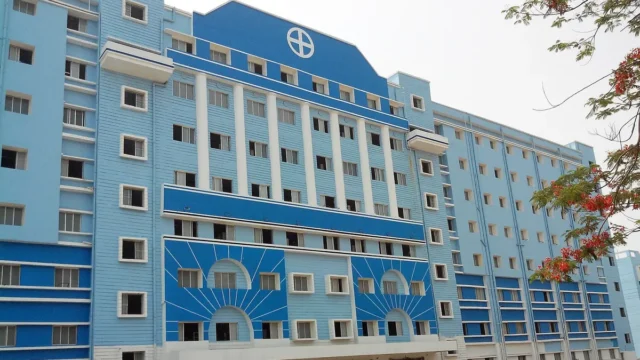
NMC withdraws MSMER-2023: medical colleges lose the fixed penalty rulebook, annual disclosure stays
The National Medical Commission (NMC) has de-notified the Maintenance of Standards of Medical Education Regulations, 2023 (MSMER-2023) by a notification dated 14 October 2026, published in the Gazette on 16 October. Its fixed penalties, including seat cuts and fines of up to ₹5 lakh for false records, go with it. The Annual Disclosure Report stays.
UPSC angle: Prelims: NMC Act 2019, autonomous boards, Concurrent List Entry 25. · Mains GS-II: regulation of medical education.
19 Oct 2026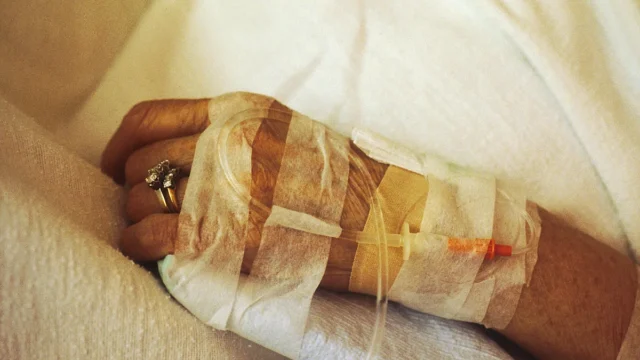
NPPA caps trade margins on 137 anti-cancer drugs: prices to fall up to 70% from 9 November
On 17 October 2026 the National Pharmaceutical Pricing Authority (NPPA) capped trade margins on 137 non-scheduled anti-cancer drugs at 30%, using its special public-interest power under Paragraph 19 of the Drugs (Prices Control) Order, 2013. The Government expects the retail price of these medicines to fall by up to 70%, and the new prices apply from 9 November 2026. The list includes costly immunotherapy drugs such as pembrolizumab and durvalumab.
UPSC angle: Prelims: NPPA, DPCO 2013 Para 19, trade margin, scheduled vs non-scheduled drugs. · Mains GS-II: affordable medicines and health equity.
18 Oct 2026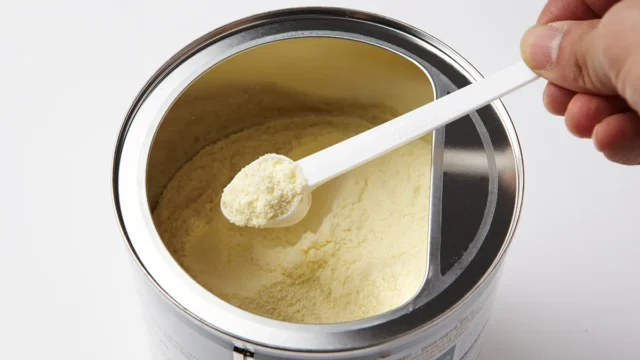
FSSAI draft: no added sucrose or fructose in foods for infants up to six months
On 17 October 2026 FSSAI explained a draft rule that would stop companies from adding sucrose (table sugar) or fructose (fruit sugar) to any product meant for babies up to six months old. The draft amends the Foods for Infant Nutrition Regulations, 2020, was published in the Gazette on 16 October, and is open for public comments for 60 days. The idea is simple: in the first six months a baby needs the right nutrients, not an early taste for sugar.
UPSC angle: Prelims: FSSAI, FSS Act 2006, infant nutrition regulations, IMS Act 1992. · Mains GS-II: child nutrition, preventive health and food regulation.
17 Oct 2026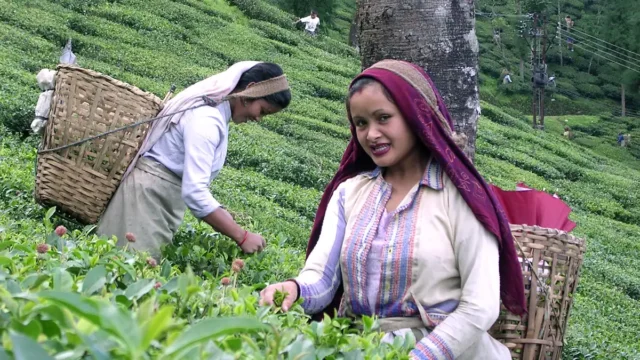
FSSAI proposes residue limits for acetamiprid and imidacloprid in tea
On 17 October 2026 FSSAI explained draft limits for two insecticides in tea: 20 ppm for acetamiprid and 50 ppm for imidacloprid. The draft, published in the Gazette on 16 October, amends the rules on contaminants, toxins and residues. India’s proposed acetamiprid limit is lower than Japan’s 30 ppm and the USA’s 50 ppm.
UPSC angle: Prelims: MRL, neonicotinoids, Insecticides Act 1968, FSS Act 2006. · Mains GS-III: pesticide regulation and food safety.
17 Oct 2026Learn the concept
Question text as printed in the official UPSC question paper: https://www.upsc.gov.in/sites/default/files/QP-CSM-23-GENERAL-STUDIES-PAPER-III-180923.pdf The model answer is original Battle IAS work; use it to learn structure, not to memorise.