
UPSC Mains 2026 GS4 Q2a: model answer
An endangered tribe has developed a severe skeletal deformity. A university research has identified a mineral supplement as a possible remedy, though clinical trials are yet to be conducted. Should the District Magistrate (DM) use this research on the tribe? Discuss from the perspective of medical and administrative ethics.
What the question wants
Weigh the urge to help against the principles of medical ethics (non-maleficence, consent, evidence) and administrative ethics (rule of law, vulnerable groups); give a clear answer.
How to structure it
Intro: the dilemma. Body: medical ethics; administrative ethics; the right course. Conclusion.
- 1Medical ethics
- 2Administrative ethics
- 3The right course
Model answer
The DM's wish to relieve suffering is good, but good intent does not make an untested remedy safe.
Medical ethics
- Non-maleficence: without trials, the dose, side effects and interactions are unknown. A mineral can be toxic in excess.
- Informed consent: an endangered, isolated tribe may not understand risk; consent could be neither free nor informed.
- Research ethics: using them without approval would amount to an unregulated trial on a vulnerable group, against ICMR's guidelines and the New Drugs and Clinical Trials Rules, 2019.
Administrative ethics
- The DM has no medical authority to prescribe; acting beyond powers breaks the rule of law.
- Duty of care for PVTGs is higher, not lower.
So, no direct use. The DM should instead:
- Give immediate relief: specialist camps, diagnosis, nutrition.
- Ask ICMR and the State health department to fast-track an ethics-approved trial, with community consent through its own leaders.
Compassion must work through evidence and law, especially for those least able to protect themselves.
Keywords, cases and data to drop in
non-maleficence informed consent research ethics PVTG ICMR guidelines
Where most answers lose marks
- Saying yes because intent is good
- Ignoring consent of a vulnerable group
Fresh examples from current affairs

NMC withdraws MSMER-2023: medical colleges lose the fixed penalty rulebook, annual disclosure stays
The National Medical Commission (NMC) has de-notified the Maintenance of Standards of Medical Education Regulations, 2023 (MSMER-2023) by a notification dated 14 October 2026, published in the Gazette on 16 October. Its fixed penalties, including seat cuts and fines of up to ₹5 lakh for false records, go with it. The Annual Disclosure Report stays.
UPSC angle: Prelims: NMC Act 2019, autonomous boards, Concurrent List Entry 25. · Mains GS-II: regulation of medical education.
19 Oct 2026
NPPA caps trade margins on 137 anti-cancer drugs: prices to fall up to 70% from 9 November
On 17 October 2026 the National Pharmaceutical Pricing Authority (NPPA) capped trade margins on 137 non-scheduled anti-cancer drugs at 30%, using its special public-interest power under Paragraph 19 of the Drugs (Prices Control) Order, 2013. The Government expects the retail price of these medicines to fall by up to 70%, and the new prices apply from 9 November 2026. The list includes costly immunotherapy drugs such as pembrolizumab and durvalumab.
UPSC angle: Prelims: NPPA, DPCO 2013 Para 19, trade margin, scheduled vs non-scheduled drugs. · Mains GS-II: affordable medicines and health equity.
18 Oct 2026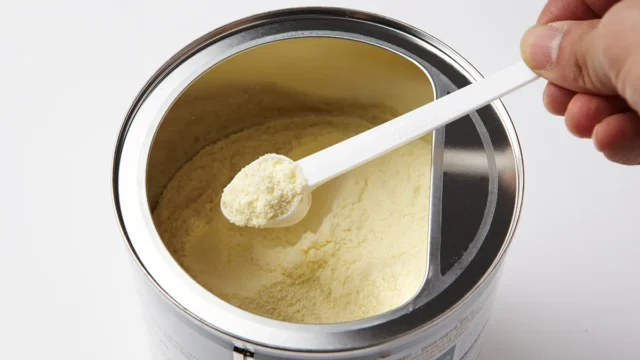
FSSAI draft: no added sucrose or fructose in foods for infants up to six months
On 17 October 2026 FSSAI explained a draft rule that would stop companies from adding sucrose (table sugar) or fructose (fruit sugar) to any product meant for babies up to six months old. The draft amends the Foods for Infant Nutrition Regulations, 2020, was published in the Gazette on 16 October, and is open for public comments for 60 days. The idea is simple: in the first six months a baby needs the right nutrients, not an early taste for sugar.
UPSC angle: Prelims: FSSAI, FSS Act 2006, infant nutrition regulations, IMS Act 1992. · Mains GS-II: child nutrition, preventive health and food regulation.
17 Oct 2026
FSSAI proposes residue limits for acetamiprid and imidacloprid in tea
On 17 October 2026 FSSAI explained draft limits for two insecticides in tea: 20 ppm for acetamiprid and 50 ppm for imidacloprid. The draft, published in the Gazette on 16 October, amends the rules on contaminants, toxins and residues. India’s proposed acetamiprid limit is lower than Japan’s 30 ppm and the USA’s 50 ppm.
UPSC angle: Prelims: MRL, neonicotinoids, Insecticides Act 1968, FSS Act 2006. · Mains GS-III: pesticide regulation and food safety.
17 Oct 2026Learn the concept
Question text as printed in the official UPSC question paper: https://www.upsc.gov.in/sites/default/files/QP-CSM-26-010926-GENERAL-STUDIES-PAPER-IV.pdf The model answer is original Battle IAS work; use it to learn structure, not to memorise.