
UPSC Mains 2024 GS3 Q12: model answer
What is the need for expanding the regional air connectivity in India? In this context, discuss the government’s UDAN Scheme and its achievements.
What the question wants
Why regional flights matter, UDAN design and results.
How to structure it
Intro: India's aviation growth and city concentration. Body: (1) need for regional connectivity; (2) UDAN features (VGF, capped fares); (3) achievements with data; (4) problems; (5) way forward. Conclusion.
- 1(1) need for regional connectivity
- 2(2) UDAN features (VGF, capped fares)
- 3(3) achievements with data
- 4(4) problems
- 5(5)
Model answer
India is the third largest domestic aviation market, yet traffic is concentrated in a few metro airports.
Need
- Faster travel to hilly, island and North-Eastern areas where roads and rail are slow.
- Tourism, trade and investment in tier-2 and tier-3 towns.
- Medical evacuation and disaster response.
- Balanced regional growth; decongest metro airports.
UDAN (Ude Desh ka Aam Nagrik), 2016
- Part of the National Civil Aviation Policy, 2016.
- Airlines bid for unserved routes; about half the seats have capped fares.
- Viability Gap Funding from Centre (80%) and States (20%, 10% for NE).
- Concessions: lower airport charges, GST and fuel tax relief.
- Variants: Krishi UDAN, helicopter and seaplane routes, UDAN 5.0.
Achievements
- Over 600 routes started and around 90 airports, heliports and water aerodromes operationalised.
- Over 1.4 crore passengers flown by 2024.
- Airports grew from 74 in 2014 to over 150.
Problems
- Many routes shut after the VGF period of three years.
- Small airlines failed; shortage of small aircraft and pilots.
- Poor last-mile access to some airports.
Way forward: longer support for remote routes, small aircraft leasing, and linking routes with tourism circuits.
UDAN has made flying more common; sustaining routes is the next test.
Keywords, cases and data to drop in
NCAP 2016 VGF capped fares Krishi UDAN route closures
Where most answers lose marks
- Only describing the scheme.
Fresh examples from current affairs
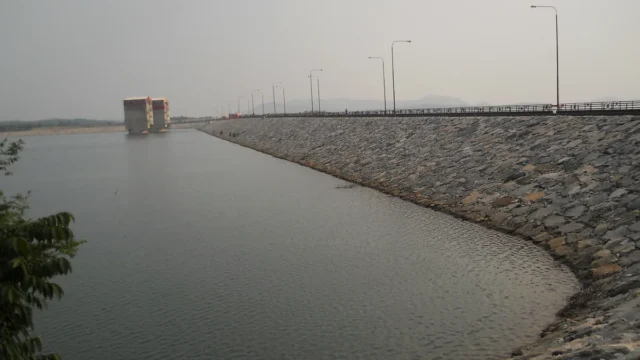
Pumped storage hydropower: India’s roadmap for 100 GW of ‘water batteries’ by 2035-36
A PIB backgrounder of 19 October 2026 explains how pumped storage projects (PSPs) will store solar and wind power for India’s grid. India runs 7.43 GW of pumped storage today, is building 15.87 GW more and has an assessed potential of 345.38 GW. A roadmap aims to add about 100 GW between 2025-26 and 2035-36.
UPSC angle: Prelims: PSP types, CEA, ISTS waiver, IRENA ranking. · Mains GS-III: storage and the clean energy transition.
19 Oct 2026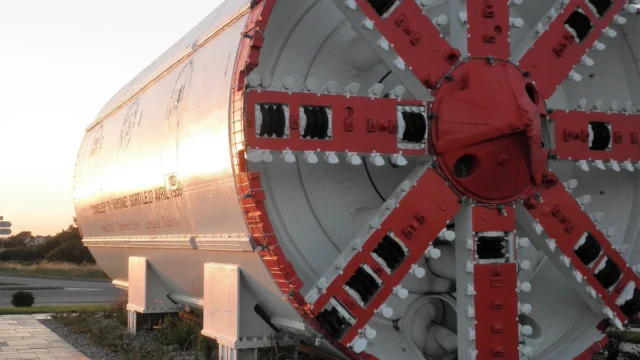
China to impose export controls on tunnel boring machines from 18 November: what it means for India
On 19 October 2026 China’s Commerce Ministry announced export controls on tunnel boring machines (TBMs) and related items from 18 November, calling them clearly dual-use. India imports TBMs for metro, rail and border tunnels and has faced customs delays on Chinese machines since 2024. China also announced controls on some drones.
UPSC angle: Prelims: export control regimes, SCOMET, Wassenaar, MTCR. · Mains GS-II/III: China dependence and supply-chain resilience.
19 Oct 2026
Oil companies bar sugar-based ethanol for 2026-27; maize incentive cut to ₹2.79 a litre
The oil marketing companies have kept sugar out of India’s ethanol programme for the coming year. The tender issued on 16 October 2026 seeks about 11 billion litres of ethanol for the 2026-27 supply year, but asks for none made from sugarcane juice, sugar syrup or B-heavy molasses, because the Government wants sugar diversion for ethanol cut to zero. Grain must now carry the load, and even the maize incentive has been cut. Read this as a live example of the food-versus-fuel trade-off.
UPSC angle: Prelims: E20, NPB 2018, molasses grades, feedstocks. · Mains GS-III: energy security vs food security; farm incomes.
18 Oct 2026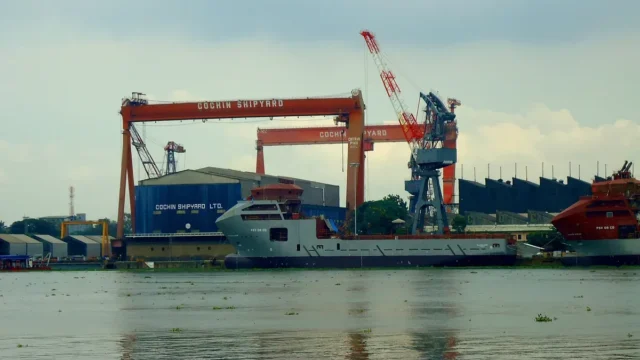
21st Maritime State Development Council: first MSDC under the Indian Ports Act, 2025
The 21st Maritime State Development Council met in Mumbai on 13 October 2026. It was the first MSDC after the Indian Ports Act, 2025 (notified 15 May 2026) made the Council a statutory body. Members adopted Vision 2030 and 2047 targets and set March 2027 deadlines for One Nation One Port Process and Maritime Single Window integration.
UPSC angle: Prelims: Ports Act 2025 date, MSDC, ONOP, Sagar Setu, SbPCP/BCSPS. · Mains GS-III: ports and shipbuilding; GS-II: cooperative federalism.
13 Oct 2026Learn the concept
Question text as printed in the official UPSC question paper: https://www.upsc.gov.in/sites/default/files/QP_CSM_2024_GenStud_III_03102024.pdf The model answer is original Battle IAS work; use it to learn structure, not to memorise.