
UPSC Mains 2024 GS3 Q13: model answer
What are the major challenges faced by Indian irrigation system in recent times? State the measures taken by the government for efficient irrigation management.
What the question wants
Irrigation problems and government measures.
How to structure it
Intro: irrigation coverage. Body: (1) groundwater over-dependence; (2) incomplete canal projects and low efficiency; (3) climate and power issues; (4) government measures (PMKSY, AIBP, micro-irrigation, Atal Bhujal); (5) further steps. Conclusion: more crop per drop.
- 1(1) groundwater over-dependence
- 2(2) incomplete canal projects and low efficiency
- 3(3) climate and power issues
- 4(4) government measures (PMKSY, AIBP, micro-irrigation, Atal Bhujal)
- 5(5) further steps
Model answer
About 55% of India's net sown area is irrigated, and agriculture uses around 80% of fresh water.
Challenges
- Groundwater stress: it supplies over 60% of irrigation; Punjab, Haryana and Rajasthan face over-extraction.
- Low efficiency: canal water use efficiency is only 35–40%; flood irrigation wastes water.
- Unfinished projects: cost and time overruns; gap between created and utilised potential.
- Free power encourages over-pumping and water-intensive crops like paddy in dry areas.
- Climate change: erratic monsoon, falling storage.
- Siltation and poor maintenance; weak water user associations.
Government measures
- PMKSY (2015): Har Khet Ko Pani, Per Drop More Crop, watershed development, AIBP.
- Micro-irrigation: drip and sprinkler with subsidy; Micro Irrigation Fund with NABARD.
- Atal Bhujal Yojana for community groundwater management in seven States.
- Command Area Development and participatory irrigation management.
- Solar pumps under PM-KUSUM; feeder separation.
- Jal Shakti Abhiyan: Catch the Rain; Amrit Sarovars.
- Interlinking of rivers: Ken-Betwa project.
Further steps: water pricing, crop diversification away from paddy in dry States, and measuring water use.
Moving from 'more water' to 'more crop per drop' is the key to irrigation security.
Keywords, cases and data to drop in
PMKSY Atal Bhujal micro-irrigation PM-KUSUM Ken-Betwa
Where most answers lose marks
- Listing schemes without challenges.
Fresh examples from current affairs
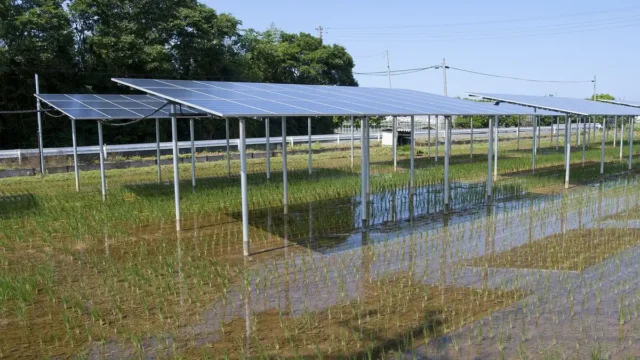
Agrivoltaics: Centre plans a scheme to push solar panels above farms; 5 GW seen in 3–4 years
MNRE Secretary Santosh Kumar Sarangi said on 19 October 2026 that the Centre is planning a central sector scheme to help States adopt agrivoltaics, either standalone or within PM-KUSUM 2.0. He expects capacity to cross 5 GW in three to four years if States notify feed-in tariffs. India hosts the 7th Agrivoltaics World Conference in New Delhi from 21 to 23 October.
UPSC angle: Prelims: agrivoltaics, PM-KUSUM components, feed-in tariffs. · Mains GS-III: energy transition and food security.
20 Oct 2026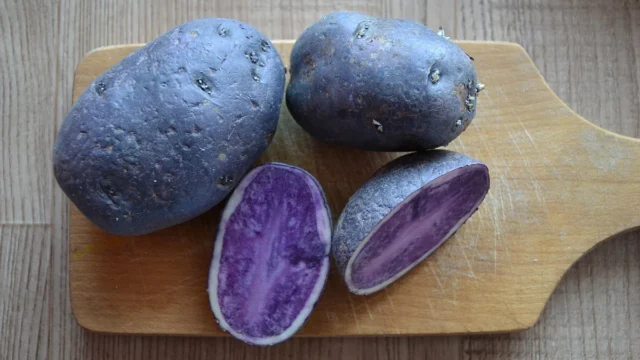
Kufri Jamunia: ICAR-CPRI’s purple potato to fight hidden hunger
A PIB backgrounder of 18 October 2026 puts the spotlight on Kufri Jamunia, a purple-fleshed potato bred by ICAR’s Central Potato Research Institute and released in 2024. It has nearly twice the Vitamin C of a common potato and several times more zinc and iron, along with antioxidants called anthocyanins. The idea is clever: instead of asking people to change what they eat, make the food they already eat more nutritious. That is biofortification.
UPSC angle: Prelims: Kufri Jamunia, CPRI, anthocyanins, biofortification vs fortification. · Mains GS-III: nutrition security; GS-II: hunger.
18 Oct 2026
Oil companies bar sugar-based ethanol for 2026-27; maize incentive cut to ₹2.79 a litre
The oil marketing companies have kept sugar out of India’s ethanol programme for the coming year. The tender issued on 16 October 2026 seeks about 11 billion litres of ethanol for the 2026-27 supply year, but asks for none made from sugarcane juice, sugar syrup or B-heavy molasses, because the Government wants sugar diversion for ethanol cut to zero. Grain must now carry the load, and even the maize incentive has been cut. Read this as a live example of the food-versus-fuel trade-off.
UPSC angle: Prelims: E20, NPB 2018, molasses grades, feedstocks. · Mains GS-III: energy security vs food security; farm incomes.
18 Oct 2026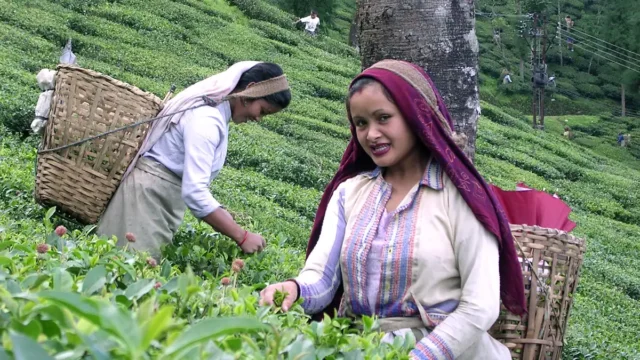
FSSAI proposes residue limits for acetamiprid and imidacloprid in tea
On 17 October 2026 FSSAI explained draft limits for two insecticides in tea: 20 ppm for acetamiprid and 50 ppm for imidacloprid. The draft, published in the Gazette on 16 October, amends the rules on contaminants, toxins and residues. India’s proposed acetamiprid limit is lower than Japan’s 30 ppm and the USA’s 50 ppm.
UPSC angle: Prelims: MRL, neonicotinoids, Insecticides Act 1968, FSS Act 2006. · Mains GS-III: pesticide regulation and food safety.
17 Oct 2026Learn the concept
Question text as printed in the official UPSC question paper: https://www.upsc.gov.in/sites/default/files/QP_CSM_2024_GenStud_III_03102024.pdf The model answer is original Battle IAS work; use it to learn structure, not to memorise.