
UPSC Mains 2025 GS3 Q3: model answer
Explain the factors influencing the decision of the farmers on the selection of high value crops in India.
What the question wants
Why farmers choose or avoid fruits, vegetables, spices, flowers, dairy-linked fodder etc.
How to structure it
Intro: meaning and trend. Body: (1) Factors that encourage; (2) Factors that discourage (price risk, capital and knowledge, credit and insurance); (3) What helps. Conclusion: Lowering risk, more than raising price, is what will move farmers to high value crops.
- 1(1) Factors that encourage
- 2(2) Factors that discourage (price risk, capital and knowledge, credit and insurance)
- 3(3) What helps
Model answer
High value crops (fruits, vegetables, flowers, spices, medicinal plants) earn more per hectare than cereals. Horticulture output now exceeds foodgrain output in India, yet many farmers still stick to wheat and paddy.
Factors that encourage
- Higher returns per acre, important for small holdings.
- Rising urban demand and changing diets.
- Access to cold chains, markets and contract farming (e.g., potato for processors).
- Assured irrigation, drip systems and polyhouses.
Factors that discourage
- Price risk: perishables crash in glut; the tomato and onion cycles are well known. No MSP, unlike wheat and paddy with assured procurement.
- Capital and knowledge: seedlings, inputs and skill needed; long gestation for orchards.
- Credit and insurance: crop insurance coverage weaker for horticulture.
- Tenure: tenants avoid perennial crops.
- Agro-climate and labour: some crops are labour intensive.
What helps: FPOs for collective marketing, Operation Greens, Mission for Integrated Development of Horticulture, e-NAM, price stabilisation.
Lowering risk, more than raising price, is what will move farmers to high value crops.
Keywords, cases and data to drop in
high value crops price risk MSP bias cold chain FPOs MIDH
Where most answers lose marks
- Listing crops instead of factors.
Fresh examples from current affairs
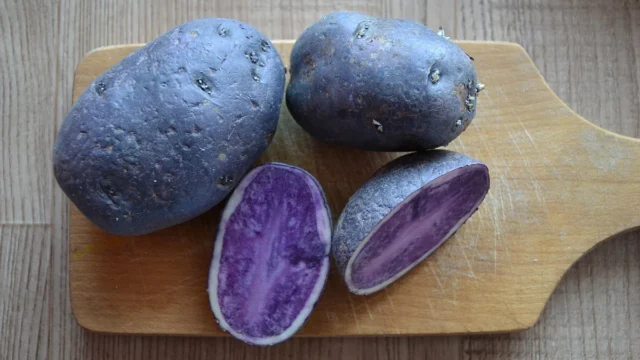
Kufri Jamunia: ICAR-CPRI’s purple potato to fight hidden hunger
A PIB backgrounder of 18 October 2026 puts the spotlight on Kufri Jamunia, a purple-fleshed potato bred by ICAR’s Central Potato Research Institute and released in 2024. It has nearly twice the Vitamin C of a common potato and several times more zinc and iron, along with antioxidants called anthocyanins. The idea is clever: instead of asking people to change what they eat, make the food they already eat more nutritious. That is biofortification.
UPSC angle: Prelims: Kufri Jamunia, CPRI, anthocyanins, biofortification vs fortification. · Mains GS-III: nutrition security; GS-II: hunger.
18 Oct 2026
Oil companies bar sugar-based ethanol for 2026-27; maize incentive cut to ₹2.79 a litre
The oil marketing companies have kept sugar out of India’s ethanol programme for the coming year. The tender issued on 16 October 2026 seeks about 11 billion litres of ethanol for the 2026-27 supply year, but asks for none made from sugarcane juice, sugar syrup or B-heavy molasses, because the Government wants sugar diversion for ethanol cut to zero. Grain must now carry the load, and even the maize incentive has been cut. Read this as a live example of the food-versus-fuel trade-off.
UPSC angle: Prelims: E20, NPB 2018, molasses grades, feedstocks. · Mains GS-III: energy security vs food security; farm incomes.
18 Oct 2026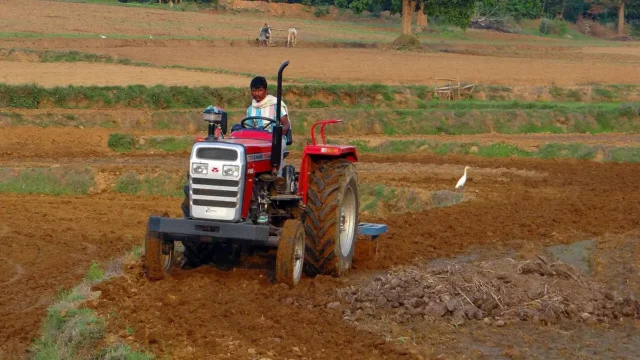
Khet Bachao Abhiyan: Centre reviews 22 October to 30 November farm campaign with States
On 17 October 2026 Union Agriculture Minister Shivraj Singh Chouhan reviewed preparations for the Khet Bachao Abhiyan with agriculture ministers of 11 States and UTs. The campaign runs from 22 October to 30 November 2026. About 4,150 teams of Krishi Vigyan Kendra and ATMA staff, with over 12,000 scientists and officials, plan around 1.5 lakh meetings with farmers on soil health, crop residue, balanced fertiliser use and key schemes.
UPSC angle: Prelims: Khet Bachao Abhiyan dates, KVK, ATMA, Soil Health Card. · Mains GS-III: agricultural extension and sustainable farming.
17 Oct 2026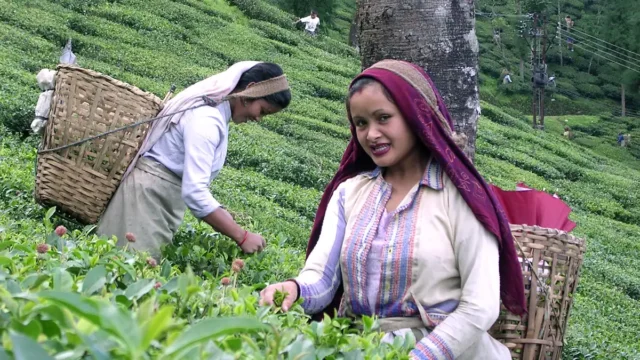
FSSAI proposes residue limits for acetamiprid and imidacloprid in tea
On 17 October 2026 FSSAI explained draft limits for two insecticides in tea: 20 ppm for acetamiprid and 50 ppm for imidacloprid. The draft, published in the Gazette on 16 October, amends the rules on contaminants, toxins and residues. India’s proposed acetamiprid limit is lower than Japan’s 30 ppm and the USA’s 50 ppm.
UPSC angle: Prelims: MRL, neonicotinoids, Insecticides Act 1968, FSS Act 2006. · Mains GS-III: pesticide regulation and food safety.
17 Oct 2026Learn the concept
Question text as printed in the official UPSC question paper: https://www.upsc.gov.in/sites/default/files/GENERAL-STUDIES-PAPER-III-QP-CSM-25-010925.pdf The model answer is original Battle IAS work; use it to learn structure, not to memorise.