
UPSC Mains 2026 GS2 Q7: model answer
Malnutrition in India is not merely a public health concern; it is also a challenge of social equity, human development and effective welfare governance. Discuss.
What the question wants
Show malnutrition in three further lenses beyond health: equity (who is affected), human development (lifelong costs) and governance (scheme delivery).
How to structure it
Intro: NFHS-5 burden. Body: three lenses with evidence. Way forward. Conclusion.
- 1Three lenses with evidence
Model answer
NFHS-5 (2019–21): 35.5% of under-fives stunted, 32.1% underweight, 67.1% of young children anaemic.
- 1Stunting in early childhood
- 2Lower learning outcomes
- 3Lower adult productivity and wages
- 4Higher health spending
- 5Slower growth: demographic dividend lost
Social equity: stunting is highest among the poorest quintile, STs, SCs and children of less-educated mothers. Women eat last and least; 57% are anaemic.
Human development: early stunting cuts cognition, learning and adult earnings. Undernourished mothers have low-birth-weight babies, so the cycle repeats, eroding the demographic dividend.
Welfare governance
- The schemes exist: NFSA 2013, PM POSHAN, Poshan 2.0, fortified rice.
- Gaps lie in convergence of water, sanitation, health and ICDS, in staff and in diet diversity.
- Poshan Tracker improved data; last-mile counselling stays weak.
Way forward: first-1,000-days focus, millets and eggs in meals, SHG-made take-home rations, WASH convergence, district accountability.
Nutrition is a rights and governance issue, not only a health one.
Keywords, cases and data to drop in
NFHS-5 35.5% stunting 67.1% child anaemia first 1,000 days NFSA 2013 Poshan 2.0 Poshan Tracker intergenerational cycle
Where most answers lose marks
- Writing only about health causes.
- No data: NFHS-5 figures are expected.
- Not covering all three lenses named in the question.
Fresh examples from current affairs
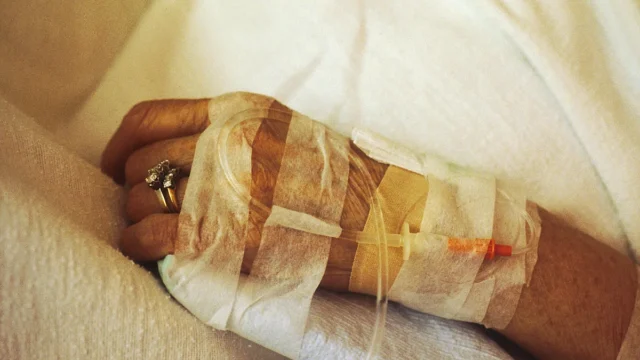
NPPA caps trade margins on 137 anti-cancer drugs: prices to fall up to 70% from 9 November
On 17 October 2026 the National Pharmaceutical Pricing Authority (NPPA) capped trade margins on 137 non-scheduled anti-cancer drugs at 30%, using its special public-interest power under Paragraph 19 of the Drugs (Prices Control) Order, 2013. The Government expects the retail price of these medicines to fall by up to 70%, and the new prices apply from 9 November 2026. The list includes costly immunotherapy drugs such as pembrolizumab and durvalumab.
UPSC angle: Prelims: NPPA, DPCO 2013 Para 19, trade margin, scheduled vs non-scheduled drugs. · Mains GS-II: affordable medicines and health equity.
18 Oct 2026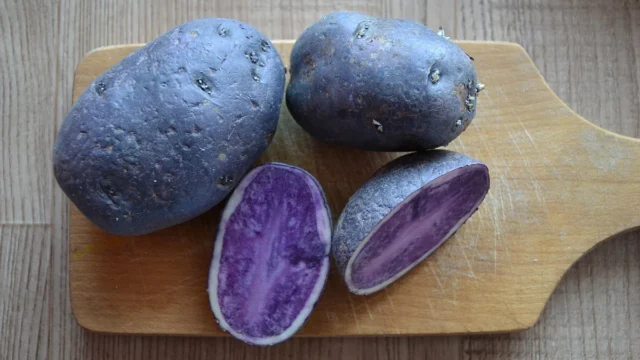
Kufri Jamunia: ICAR-CPRI’s purple potato to fight hidden hunger
A PIB backgrounder of 18 October 2026 puts the spotlight on Kufri Jamunia, a purple-fleshed potato bred by ICAR’s Central Potato Research Institute and released in 2024. It has nearly twice the Vitamin C of a common potato and several times more zinc and iron, along with antioxidants called anthocyanins. The idea is clever: instead of asking people to change what they eat, make the food they already eat more nutritious. That is biofortification.
UPSC angle: Prelims: Kufri Jamunia, CPRI, anthocyanins, biofortification vs fortification. · Mains GS-III: nutrition security; GS-II: hunger.
18 Oct 2026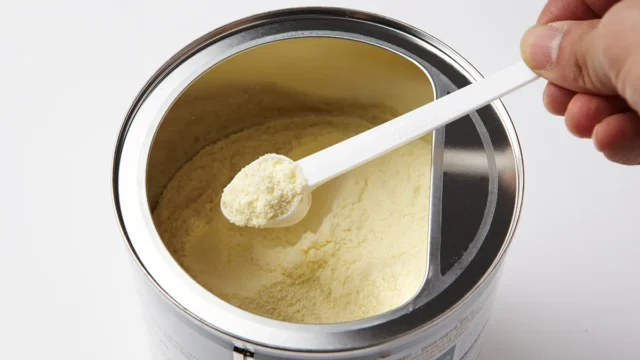
FSSAI draft: no added sucrose or fructose in foods for infants up to six months
On 17 October 2026 FSSAI explained a draft rule that would stop companies from adding sucrose (table sugar) or fructose (fruit sugar) to any product meant for babies up to six months old. The draft amends the Foods for Infant Nutrition Regulations, 2020, was published in the Gazette on 16 October, and is open for public comments for 60 days. The idea is simple: in the first six months a baby needs the right nutrients, not an early taste for sugar.
UPSC angle: Prelims: FSSAI, FSS Act 2006, infant nutrition regulations, IMS Act 1992. · Mains GS-II: child nutrition, preventive health and food regulation.
17 Oct 2026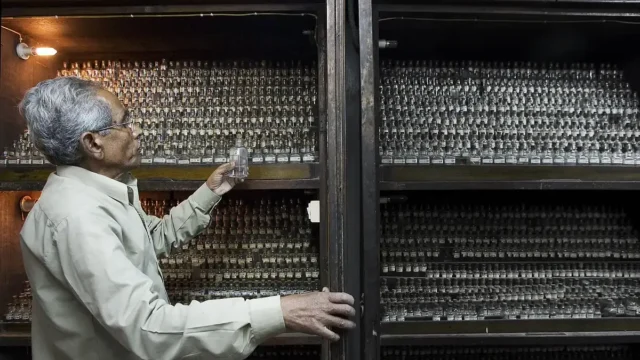
Draft rule to stop drug retailers and wholesalers from advertising prescription-only medicines
The Health Ministry has proposed amending the Drugs Rules, 1945 so that drug retailers, wholesalers and distributors also need prior Central Government sanction to advertise Schedule H, H1 and X medicines. Manufacturers already face this rule. The draft, G.S.R. 861(E) of 28 September 2026, follows DTAB advice and is open for comments for 30 days.
UPSC angle: Prelims: Drug schedules, DTAB. · Mains GS-II: health regulation; GS-III: AMR.
9 Oct 2026Learn the concept
Question text as printed in the official UPSC question paper: https://www.upsc.gov.in/sites/default/files/QP-CSM-26-010926-GENERAL-STUDIES-PAPER%20-%20II.pdf The model answer is original Battle IAS work; use it to learn structure, not to memorise.