
UPSC Mains 2024 GS3 Q4: model answer
Explain the role of millets for ensuring health and nutritional security in India.
What the question wants
Nutritional and health value of millets and how policy promotes them.
How to structure it
Intro: millets and International Year of Millets 2023. Body: (1) nutrient profile; (2) health benefits (diabetes, anaemia); (3) climate resilience as security; (4) government initiatives; (5) challenges. Conclusion: mainstream through PDS and mid-day meals.
- 1(1) nutrient profile
- 2(2) health benefits (diabetes, anaemia)
- 3(3) climate resilience as security
- 4(4) government initiatives
- 5(5) challenges
Model answer
Millets (jowar, bajra, ragi and minor millets) were renamed 'Shree Anna'. India led the UN International Year of Millets 2023 and is the largest producer.
Role in health and nutrition
- Rich in fibre, protein, iron, calcium (ragi) and zinc.
- Low glycaemic index helps manage diabetes and obesity.
- Iron and zinc help fight anaemia, which affects over half of women (NFHS-5).
- Gluten-free and a good fit for diverse diets.
Security angle
- Grow on poor soils with little water; resilient to heat.
- Diversify a diet dominated by rice and wheat.
Initiatives: millets in PDS and PM POSHAN, Indian Institute of Millets Research as a global hub, MSP hikes.
Challenges: low yields, short shelf life, weak processing and changed tastes.
With processing and procurement support, millets can link farm resilience to nutrition.
Keywords, cases and data to drop in
Shree Anna IYM 2023 low glycaemic index anaemia PM POSHAN
Where most answers lose marks
- Writing only about climate benefits.
Fresh examples from current affairs
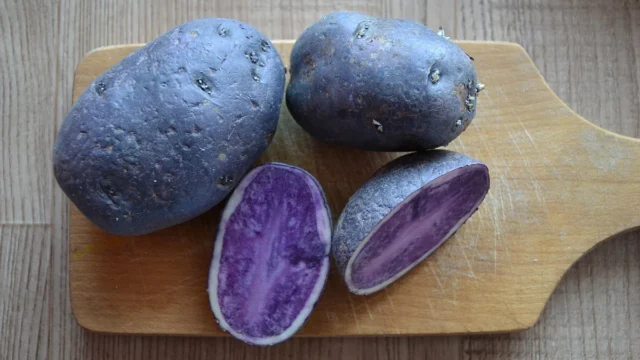
Kufri Jamunia: ICAR-CPRI’s purple potato to fight hidden hunger
A PIB backgrounder of 18 October 2026 puts the spotlight on Kufri Jamunia, a purple-fleshed potato bred by ICAR’s Central Potato Research Institute and released in 2024. It has nearly twice the Vitamin C of a common potato and several times more zinc and iron, along with antioxidants called anthocyanins. The idea is clever: instead of asking people to change what they eat, make the food they already eat more nutritious. That is biofortification.
UPSC angle: Prelims: Kufri Jamunia, CPRI, anthocyanins, biofortification vs fortification. · Mains GS-III: nutrition security; GS-II: hunger.
18 Oct 2026
Oil companies bar sugar-based ethanol for 2026-27; maize incentive cut to ₹2.79 a litre
The oil marketing companies have kept sugar out of India’s ethanol programme for the coming year. The tender issued on 16 October 2026 seeks about 11 billion litres of ethanol for the 2026-27 supply year, but asks for none made from sugarcane juice, sugar syrup or B-heavy molasses, because the Government wants sugar diversion for ethanol cut to zero. Grain must now carry the load, and even the maize incentive has been cut. Read this as a live example of the food-versus-fuel trade-off.
UPSC angle: Prelims: E20, NPB 2018, molasses grades, feedstocks. · Mains GS-III: energy security vs food security; farm incomes.
18 Oct 2026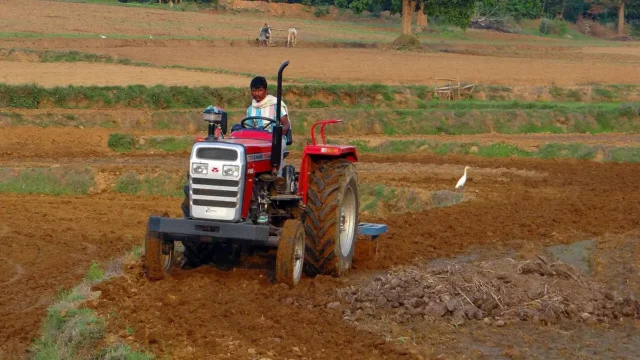
Khet Bachao Abhiyan: Centre reviews 22 October to 30 November farm campaign with States
On 17 October 2026 Union Agriculture Minister Shivraj Singh Chouhan reviewed preparations for the Khet Bachao Abhiyan with agriculture ministers of 11 States and UTs. The campaign runs from 22 October to 30 November 2026. About 4,150 teams of Krishi Vigyan Kendra and ATMA staff, with over 12,000 scientists and officials, plan around 1.5 lakh meetings with farmers on soil health, crop residue, balanced fertiliser use and key schemes.
UPSC angle: Prelims: Khet Bachao Abhiyan dates, KVK, ATMA, Soil Health Card. · Mains GS-III: agricultural extension and sustainable farming.
17 Oct 2026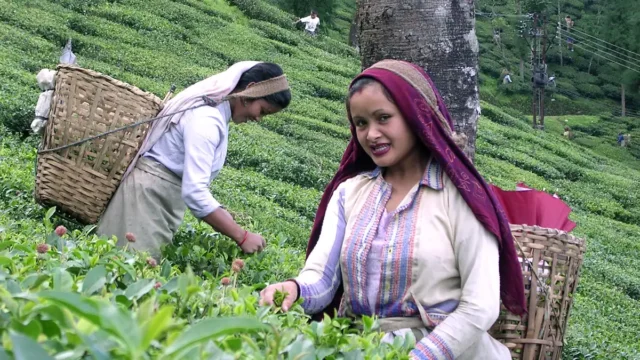
FSSAI proposes residue limits for acetamiprid and imidacloprid in tea
On 17 October 2026 FSSAI explained draft limits for two insecticides in tea: 20 ppm for acetamiprid and 50 ppm for imidacloprid. The draft, published in the Gazette on 16 October, amends the rules on contaminants, toxins and residues. India’s proposed acetamiprid limit is lower than Japan’s 30 ppm and the USA’s 50 ppm.
UPSC angle: Prelims: MRL, neonicotinoids, Insecticides Act 1968, FSS Act 2006. · Mains GS-III: pesticide regulation and food safety.
17 Oct 2026Learn the concept
Question text as printed in the official UPSC question paper: https://www.upsc.gov.in/sites/default/files/QP_CSM_2024_GenStud_III_03102024.pdf The model answer is original Battle IAS work; use it to learn structure, not to memorise.