
UPSC Mains 2023 GS1 Q14: model answer
Comment on the resource potentials of the long coastline of India and highlight the status of natural hazard preparedness in these areas.
What the question wants
Coastal resources and the state of disaster preparedness along India's coast.
How to structure it
Intro: coastline over 11,000 km (2023 re-measurement), 9 coastal States, EEZ of about 2 million sq km. Body: (1) Resources: fisheries, ports and Sagarmala, offshore oil and gas (Bombay High, KG basin), minerals (monazite, ilmenite), renewable energy (offshore wind, tidal), tourism, salt; (2) Hazards: cyclones, tsunami, storm surge, erosion, sea-level rise; (3) Preparedness: INCOIS tsunami warning, IMD forecasts, NCRMP shelters, Odisha model, CRZ rules, mangroves; gaps. Conclusion: blue economy with resilience.
- 1(1) Resources: fisheries, ports and Sagarmala, offshore oil and gas (Bombay High, KG basin), minerals (monazite, ilmenite), renewable energy (offshore wind, tidal), tourism, salt
- 2(2) Hazards: cyclones, tsunami, storm surge, erosion, sea-level rise
- 3(3) Preparedness: INCOIS tsunami warning, IMD forecasts, NCRMP shelters, Odisha model, CRZ rules, mangroves
- 4Gaps
Model answer
India's coastline, re-measured in 2023 at about 11,098 km, touches nine States and four UTs, and its Exclusive Economic Zone covers about 2 million sq km.
Resource potential
- Fisheries: India is among the top fish producers; marine fishing supports millions.
- Ports and trade: about 95% of trade by volume moves by sea; Sagarmala aims at port-led development.
- Energy: offshore oil and gas at Bombay High and the Krishna-Godavari basin; offshore wind potential off Gujarat and Tamil Nadu; tidal energy in the Gulf of Khambhat.
- Minerals: monazite, ilmenite and rutile in Kerala and Odisha beach sands.
- Tourism, salt and mangroves: Goa, Kerala; Gujarat salt; the Sundarbans.
Hazards
Cyclones and storm surges (east coast more exposed), tsunami (2004), coastal erosion, flooding and sea-level rise.
Status of preparedness
- Strengths: INCOIS Tsunami Early Warning Centre (2007); accurate IMD cyclone forecasts; the National Cyclone Risk Mitigation Project's shelters; Odisha's evacuations during Phailin (2013) and Fani (2019) kept deaths low.
- Coastal Regulation Zone rules and NDRF deployment.
- Gaps: west coast less prepared as Arabian Sea cyclones rise; erosion of about a third of the coast; mangrove loss; unplanned construction; weak urban drainage in Mumbai and Chennai; fishers' livelihoods after disasters.
A blue economy will be sustainable only if it builds in resilience: mangrove belts, strict CRZ enforcement and early warnings that reach the last fisher.
Keywords, cases and data to drop in
11,098 km EEZ Sagarmala INCOIS Odisha model CRZ
Where most answers lose marks
- Writing only on resources.
- Ignoring the west coast's new cyclone risk.
Fresh examples from current affairs
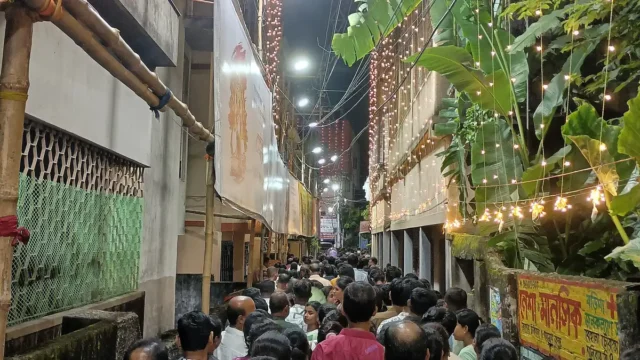
Chorbagan pandal stampede in Kolkata kills 19: what went wrong and how crowds should be managed
Nineteen people were killed and about 25 injured in a stampede at the Chorbagan Sarbojanin Durga Puja pandal in north Kolkata on the evening of 17 October 2026, during Saptami. According to police and the FIR, sudden heavy rain, weak crowd control and an announcement that the pandal could collapse set off the panic. Seven people have been arrested, and West Bengal has set up a six-member SIT.
UPSC angle: Prelims: NDMA, BNSS 163, BNS 105. · Mains GS-III: crowd management and disaster governance.
17 Oct 2026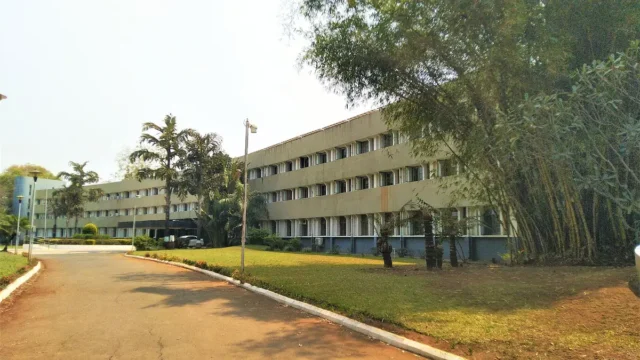
IITM Pune holds first consultation of the Climate Science into Services for India Forum
The Indian Institute of Tropical Meteorology (IITM), Pune, under the Ministry of Earth Sciences, held the first stakeholder consultation of the Climate Science into Services for India Forum (CSSIF) on 17 October 2026. More than 150 participants from over 80 institutions, including RBI, NDRF, NIDM and State climate cells, discussed what climate information each sector needs. Speakers stressed the need for a national Climate Services Information System (CSIS).
UPSC angle: Prelims: IITM, GFCS, INCOIS, NAPCC. · Mains GS-III: climate adaptation and services.
17 Oct 2026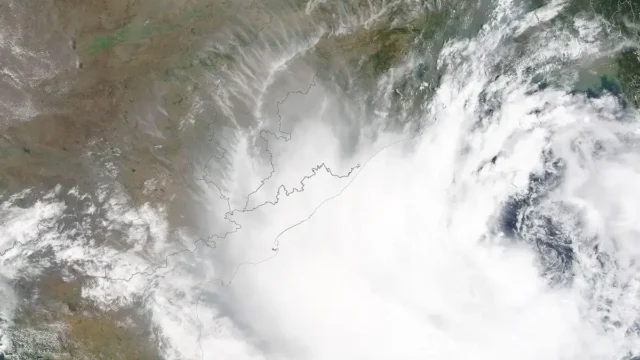
IMD launches a map-based Decision Support System for cyclone and marine warnings
On 12 October 2026 the India Meteorological Department dedicated a Cyclone Warning and Marine Weather Services Decision Support System to the nation. The WebGIS platform shows cyclone track, intensity, winds, rainfall, storm surge and district-wise warnings on one map for disaster managers and the public.
UPSC angle: Prelims: IMD, cone of uncertainty, storm surge. · Mains GS-III: early warning and disaster preparedness.
13 Oct 2026
Domestic Tourism Expenditure Survey 2025-26: pilgrimage tops overnight trips
MoSPI released the Domestic Tourism Expenditure Survey, July 2025 to June 2026, on 23 September 2026. Pilgrimage and religious travel made up 48% of overnight trips over the last 365 days. Uttar Pradesh had the highest share of visitor-trips, 15.7%. Business trips had the highest average spend per trip, Rs. 5,949.
UPSC angle: Prelims: which agency runs DTES (NSO, MoSPI).
23 Sep 2026Learn the concept
Question text as printed in the official UPSC question paper: https://www.upsc.gov.in/sites/default/files/QP-CSM-23-GENERAL-STUDIES-PAPER-I-180923.pdf The model answer is original Battle IAS work; use it to learn structure, not to memorise.