
UPSC Mains 2023 GS3 Q14: model answer
What are the direct and indirect subsidies provided to farm sector in India? Discuss the issues raised by the World Trade Organization (WTO) in relation to agricultural subsidies.
What the question wants
Types of farm subsidies and the WTO issues.
How to structure it
Intro: subsidies support farm incomes and food security. Body: (1) Direct: PM-KISAN cash transfer, interest subvention, crop insurance premium, MSP-procurement price support; (2) Indirect: fertiliser, power, irrigation, seeds, credit, machinery; (3) WTO Agreement on Agriculture: Amber, Blue, Green boxes; de minimis 10% for developing countries; India's MSP counted at 1986-88 external reference price; Bali peace clause (2013) for public stockholding; disputes and complaints by US, Australia; notifications on rice breaching limits; export bans; permanent solution pending. Conclusion: defend food security while moving to Green Box support.
- 1(1) Direct: PM-KISAN cash transfer, interest subvention, crop insurance premium, MSP-procurement price support
- 2(2) Indirect: fertiliser, power, irrigation, seeds, credit, machinery
- 3(3) WTO Agreement on Agriculture: Amber, Blue, Green boxes
- 4De minimis 10% for developing countries
- 5India's MSP counted at 1986-88 external reference price
- 6Bali peace clause (2013) for public stockholding
- 7Disputes and complaints by US, Australia
- 8Notifications on rice breaching limits
Model answer
Farm subsidies support farmers' incomes and the country's food security.
| Box | What it covers | Limit |
|---|---|---|
| Amber | Price support, input subsidies | 10% de minimis for developing countries |
| Blue | Support tied to production limits | No limit |
| Green | Research, income support, infrastructure | No limit |
Direct subsidies
- PM-KISAN: ₹6,000 a year to landholding farmers.
- Price support: MSP and procurement of wheat, rice and other crops.
- Crop insurance: premium support under PM Fasal Bima Yojana.
- Interest subvention on short-term crop loans through Kisan Credit Cards.
Indirect subsidies
- Fertiliser: the largest, through urea pricing and nutrient-based subsidy.
- Power: free or cheap electricity for pumps.
- Irrigation: canal water below cost; PM-KUSUM solar pumps.
- Seeds, machinery and storage support.
WTO issues
The Agreement on Agriculture (1995) classifies support into boxes:
- Amber Box: trade-distorting support like price support and input subsidies, capped at a 'de minimis' 10% of the value of production for developing countries.
- Blue Box: support linked to production limits.
- Green Box: minimally distorting support such as research and direct income support; no limit.
Specific concerns
- MSP calculation: support is measured against outdated 1986-88 reference prices, inflating India's figures.
- Rice: India invoked the Bali 'peace clause' (2013) after reporting rice support above 10%.
- Public stockholding: a permanent solution is still pending.
- Complaints: the US and others question MSP for pulses, cotton and sugar; a WTO panel ruled against India's sugar subsidies in 2021.
- Export curbs: members criticised India's 2022-23 bans on wheat and rice.
- Imbalance: rich nations give huge per-farmer support through the Green Box, while India's support per farmer is small.
Way forward: India should defend food security and small farmers at the WTO while shifting gradually towards direct income support, research and irrigation, which fall in the Green Box.
Keywords, cases and data to drop in
Amber Box de minimis peace clause public stockholding Green Box
Where most answers lose marks
- Not separating direct and indirect.
- Ignoring India's arguments at WTO.
Fresh examples from current affairs
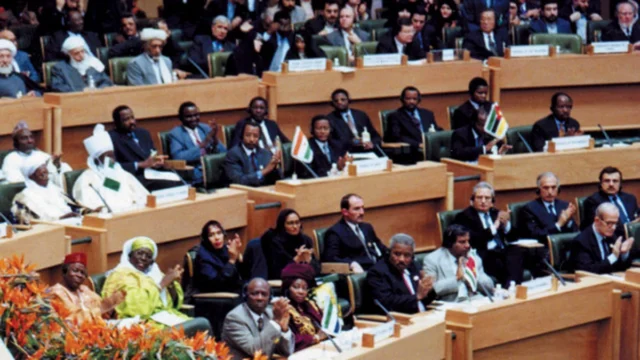
India rejects OIC’s Baghdad resolutions on Jammu and Kashmir as ‘malicious, biased and false’
On 19 October 2026 the Ministry of External Affairs rejected references to India in resolutions adopted at the Organisation of Islamic Cooperation (OIC) Council of Foreign Ministers in Baghdad on 17–18 October. It called them ‘malicious, biased and false’, said Pakistan orchestrated them, and said the OIC has no locus standi on India’s internal matters.
UPSC angle: Prelims: OIC facts, J&K Reorganisation Act, UN Charter Article 2(7). · Mains GS-II: India, OIC and Pakistan.
19 Oct 2026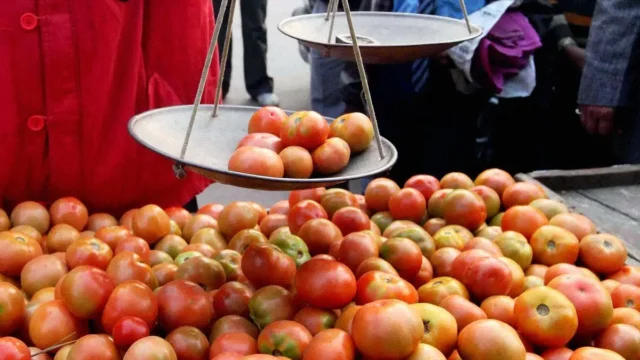
India to host 61st CIML meeting on legal metrology in New Delhi, 26–28 October
India will host the 61st meeting of the International Committee of Legal Metrology (CIML) for the first time, in New Delhi from 26 to 28 October 2026. The Department of Consumer Affairs is organising it with the International Organization of Legal Metrology (OIML), and more than 100 delegates are expected, PIB said on 19 October.
UPSC angle: Prelims: OIML, CIML, Legal Metrology Act 2009, Union List Entry 50. · Mains GS-III: standards and trade.
19 Oct 2026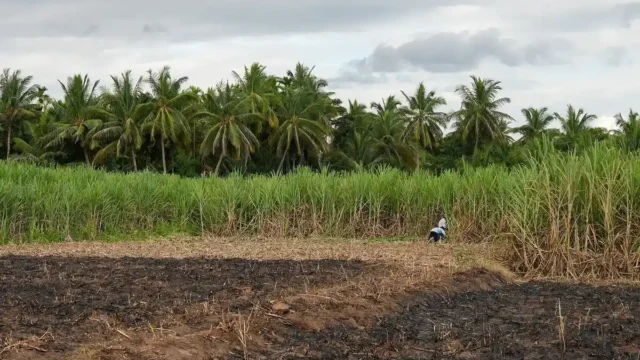
Ramesh Chand committee to examine sugarcane farmers’ and sugar sector issues
On 14 October 2026 the Centre set up a committee under Prof. Ramesh Chand, former NITI Aayog Member, on issues raised by sugarcane farmers. It will examine returns to cane growers, the ex-mill Minimum Selling Price of sugar, how sugar recovery is tested, weighment at mills, and deductions on mechanically harvested cane.
UPSC angle: Prelims: chair, terms of reference, ex-mill MSP of sugar. · Mains GS-III: cane pricing, sugar sector economics, farm incomes.
14 Oct 2026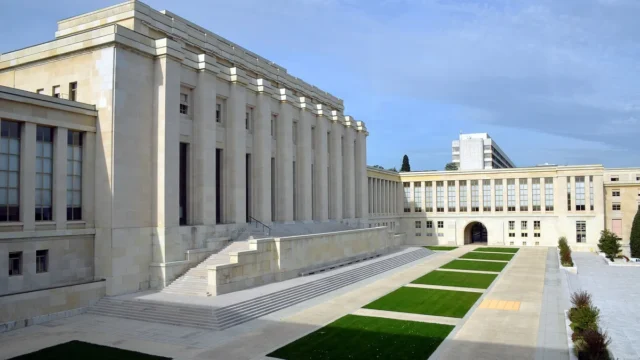
India rejects OHCHR remarks on Delhi events
On 11 October 2026 India rejected remarks by the UN Office of the High Commissioner for Human Rights on events in New Delhi the day before. MEA said peaceful assembly is a constitutional right exercised subject to public order, courts are open to all, and the remarks were interference in internal affairs.
UPSC angle: Prelims: Article 19(1)(b) and 19(3). · Mains GS-II: fundamental rights; India and international human-rights bodies.
11 Oct 2026Learn the concept
Question text as printed in the official UPSC question paper: https://www.upsc.gov.in/sites/default/files/QP-CSM-23-GENERAL-STUDIES-PAPER-III-180923.pdf The model answer is original Battle IAS work; use it to learn structure, not to memorise.