
UPSC Mains 2022 GS Paper 3 Q17: model answer
UpdatedDiscuss global warming and mention its effects on the global climate. Explain the control measures to bring down the level of greenhouse gases which cause global warming, in the light of the Kyoto Protocol, 1997.
What the question wants
Discuss global warming, its effects on global climate, and measures to cut greenhouse gases in light of the 1997 Kyoto Protocol.
How to structure it
Cause, effects, Kyoto measures, beyond Kyoto.
- What global warming is
- Effects on climate
- Kyoto Protocol
- Its control measures
- Limits and Paris
How to think it through
Greenhouse effect enhanced by CO2, CH4, N2O, F-gases; ~1.1–1.2°C above pre-industrial (IPCC AR6), 2024 first year above 1.5°C (WMO). Effects: heatwaves, sea level rise, glacier melt, extreme rainfall, droughts, ocean acidification, coral bleaching, monsoon shifts, Arctic sea ice loss. Kyoto 1997, in force 2005: binding targets for Annex I (average 5.2% below 1990 in 2008–12), CBDR, six gases; flexibility mechanisms: emissions trading, JI, CDM; Doha amendment 2012 second period. Limits: US never ratified, Canada withdrew, no developing country targets. Measures generally: renewable energy, efficiency, forests, methane, carbon pricing, CCUS. Paris 2015.
Model answer
In 2024, the world's average temperature was, for the first time in a calendar year, more than 1.5°C above pre-industrial levels, according to the World Meteorological Organization. The number that scientists warned about had arrived.
What global warming is
- Gases like carbon dioxide, methane and nitrous oxide trap heat that the Earth would otherwise radiate to space.
- Since the industrial age, burning coal, oil and gas and clearing forests have thickened this blanket.
Effects on the global climate
- Hotter heatwaves and record temperatures.
- Melting ice: Arctic sea ice, Greenland and Himalayan glaciers.
- Sea level rise from melting ice and warming oceans.
- Extreme rainfall and floods, and longer droughts.
- Stronger cyclones and shifting monsoons.
- Ocean acidification and coral bleaching.
- Biodiversity loss as species fail to move fast enough.
The Kyoto Protocol (1997)
- Adopted in 1997, in force from 2005.
- Binding targets for developed (Annex I) countries: on average 5.2% below 1990 levels in 2008–12.
- Based on common but differentiated responsibilities: no binding targets for developing countries.
- Covered six greenhouse gases.
Control measures under Kyoto
- Domestic cuts through clean energy and efficiency.
- Emissions trading among developed countries.
- Joint Implementation: projects in other developed countries.
- Clean Development Mechanism: projects in developing countries such as India earned credits.
- Forest sinks counted towards targets.
- The Doha Amendment (2012) set a second period to 2020.
Limits and what followed
- The US never ratified; Canada withdrew; big emerging emitters had no targets.
- The Paris Agreement (2015) replaced it with nationally determined contributions for all countries.
- Credits under CDM lost value after 2012, and some projects were questioned for additionality.
- Today's measures go further: renewables, carbon pricing, methane cuts, CCUS and forests.
Kyoto proved that the world could agree on binding climate rules; Paris proved that everyone had to be inside them.
Draw: The greenhouse effect: sun's rays in, heat trapped by a GHG layer.
Keywords, cases and data to drop in
greenhouse effect, CO2, CH4, N2O, 2024 above 1.5°C, Kyoto 1997, in force 2005, Annex I, 5.2% below 1990, CBDR, emissions trading, JI, CDM, Doha Amendment 2012, Paris 2015.
Where most answers lose marks
- Explaining warming but not the Kyoto measures.
Related Mains PYQs
- Discuss in detail photochemical smog emphasizing its formation, effects, and mitigation. Explain the 1999 Gothenburg Protocol. UPSC 2022 · GS-III
- Explain the purpose of the Green Grid Initiative launched at World Leaders Summit of the COP26 UN Climate Change Conference in Glasgow… UPSC 2021 · GS-III
- Describe the key points of the revised Global Air Quality Guidelines (AQGs) recently released by the World Health Organisation (WHO). How are… UPSC 2021 · GS-III
- Describe the major outcomes of the 26th session of the Conference of the Parties (COP) to the United Nations Framework Convention on… UPSC 2021 · GS-III
Fresh examples from current affairs
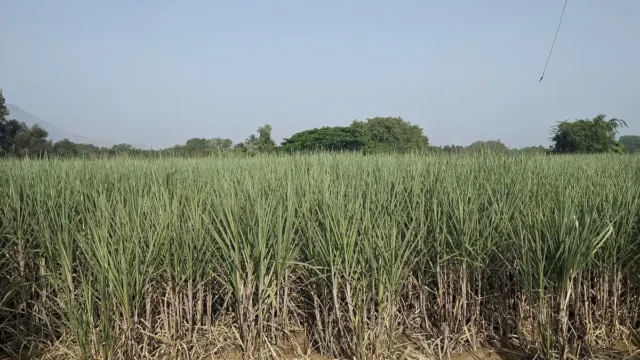
Rules amended to allow E100 in flex-fuel vehicles
Ethanol is an alcohol made from sugarcane, grain and other crops, and it can be mixed with petrol. The Ministry of Road Transport and Highways (MoRTH) has changed the Central Motor Vehicles Rules, 1989 to allow E100, fuel that is 100% ethanol, in flex-fuel vehicles. Read it for what E20, E85 and E100 mean, who needs to switch (no one, yet) and the National Policy on Biofuels.
UPSC angle: Prelims: E20/E85/E100, flex-fuel vehicles, National Policy on Biofuels feedstocks. · Mains GS-III: energy security and biofuels.
27 Oct 2026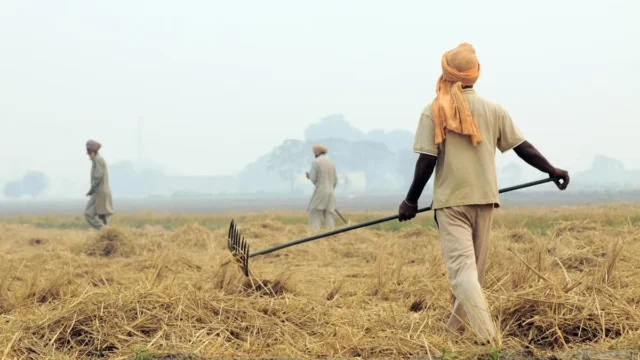
Punjab farm fires: why Tarn Taran and Amritsar account for 72% of stubble burning so far
Punjab recorded 574 farm fires between September 15 and October 24, and 414 of them, or 72%, were in just two Majha districts, Tarn Taran and Amritsar. Farmers there harvest short-duration paddy early and hurry to sow green peas or potatoes before wheat. For you, this connects stubble burning, cropping patterns and the CAQM.
UPSC angle: Prelims: CAQM, zero tillage, crop residue management, Majha-Doaba-Malwa. · Mains GS-III: air pollution, cropping patterns and farm practices.
26 Oct 2026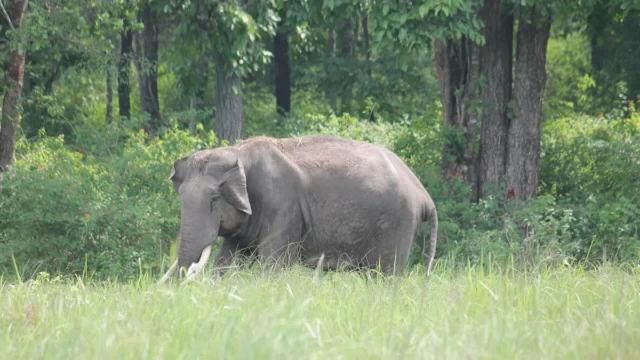
Keralam raises wildlife-attack compensation by 25%: death payout now ₹17.5 lakh
The Keralam government on Sunday raised compensation for deaths and permanent disabilities caused by wildlife attacks by 25%, along with more medical help for the injured. The payout for a death goes up from ₹14 lakh to ₹17.5 lakh. For you, this connects human-wildlife conflict, the Wild Life (Protection) Act, 1972 and State relief schemes.
UPSC angle: Prelims: WPA 1972 schedules, Section 11, protection outside protected areas. · Mains GS-III: human-wildlife conflict and conservation.
26 Oct 2026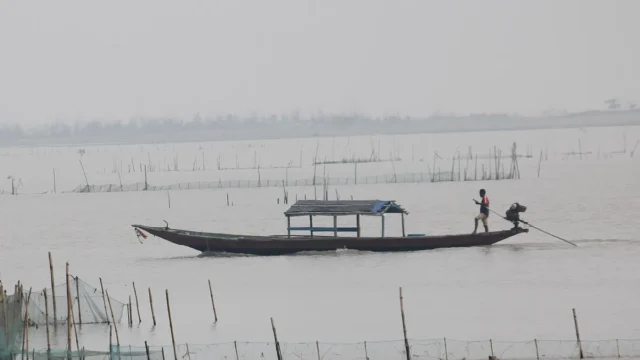
India’s Ramsar sites reach 103: first in Asia, third in the world
India now has 103 wetlands of international importance under the Ramsar Convention, up from 26 in 2014 and covering over 13.87 lakh hectares in 28 States and Union Territories. That puts India first in Asia and third in the world. For you, this connects the 1971 Convention, the Montreux Record and the Wetlands Rules, 2017.
UPSC angle: Prelims: Ramsar Convention, criteria, Montreux Record, India's sites and rank. · Mains GS-III: conservation and wetland management.
26 Oct 2026Learn the concept
Question text as printed in the official UPSC Civil Services (Main) question paper. The model answer is original Battle IAS work; use it to learn structure, not to memorise.
Want every PYQ in one place? See the Battle IAS PYQ Book.