
Probity in Governance (GS-IV): Meaning, Philosophical Basis, Codes of Ethics and Conduct, Citizen’s Charters, RTI and Anti-Corruption Tools (UPSC Ethics Notes + PYQs)
UPSC has already asked about this. Read the story with these questions in mind.
- Prelims 2019Consider the following statements: The United Nations Convention against Corruption (UNCAC) has a ‘Protocol against the Smuggling of Migrants by Land, Sea and Air’.…Solve it below ↓
- Mains 2024 · GS2The Doctrine of Democratic Governance makes it necessary that the public perception of the integrity and commitment of civil servants becomes absolutely positive. Discuss.See model answer →
Why probity matters
The Nolan Committee (UK, 1995) listed seven principles of public life: selflessness, integrity, objectivity, accountability, openness, honesty and leadership. In India, the Second ARC’s fourth report, Ethics in Governance (2007), treated corruption as a systemic failure and asked for both rules and values. Kautilya had already noted that just as one cannot help tasting honey on the tongue, an official handling revenue may taste a little of it.
Code of ethics vs code of conduct
| Code of ethics | Code of conduct |
|---|---|
| Broad values (integrity, impartiality) | Specific rules (gifts, assets, political activity) |
| Guides judgement in grey areas | Enforceable, with penalties |
| Example: the draft Public Service Bill values | Example: All India Services (Conduct) Rules, 1968; CCS (Conduct) Rules, 1964 |
Tools of probity
- Transparency: RTI Act, Section 4 disclosures, open budgets, e-procurement (GeM).
- Citizen’s charters with grievance redress: CPGRAMS, Sevottam model.
- Accountability bodies: CAG, CVC, Lokpal and Lokayuktas, social audits under MGNREGA.
- Laws: Prevention of Corruption Act (2018 amendment made bribe-giving an offence and added Section 17A prior approval), Whistle Blowers Protection Act, 2014.
- Technology: DBT to cut leakages, e-office, faceless tax assessment.
Challenges
Collusive corruption between officials and contractors, political interference and transfers, conflict of interest after retirement (cooling-off rules), slow vigilance cases, and a culture of “speed money”. Rules alone cannot make honest officers; organisations need leaders who model probity, as E. Sreedharan did at Delhi Metro by refusing political pressure on contracts.
Probity In Governance: UPSC angle
For UPSC CSE
Mains GS-IV: definitions, codes, charters, case studies on gifts, conflict of interest and fund misuse; quotes and examples score.
Probity In Governance UPSC PYQs (Prelims)
Questions UPSC has actually asked, from the official papers. Pick an option to check yourself.
Consider the following statements :
– 1. The United Nations Convention against Corruption (UNCAC) has a ‘Protocol against the Smuggling of Migrants by Land, Sea and Air’.
– 2. The UNCAC is the ever-first legally binding global anti-corruption instrument.
– 3. A highlight of the United Nations Convention against Transnational Organized Crime (UNTOC) is the inclusion of a specific chapter aimed at returning assets to their rightful owners from whom they had been taken illicitly.
– 4. The United Nations Office on Drugs and Crime (UNODC) is mandated by its member States to assist in the implementation of both UNCAC and UNTOC.
Which of the statements given above are correct?
Statements 1 and 3 attach features to the wrong treaty. The migrant-smuggling protocol belongs to UNTOC (Palermo, 2000). The asset-recovery chapter (Chapter V) is in UNCAC (2003), the first legally binding global anti-corruption treaty. UNODC is the guardian of both. Answer as per the official UPSC key · Battle IAS PYQ bankAnswer (c) & why
Mains PYQs on this topic
Questions from the official UPSC Mains papers (2023-2026 in the Battle IAS Mains bank), newest first. Each links to a model answer.
- UPSC Mains 2024 · GS Paper II · Q8 · 10 marks
The Doctrine of Democratic Governance makes it necessary that the public perception of the integrity and commitment of civil servants becomes absolutely positive. Discuss.
- UPSC Mains 2023 · GS Paper IV · Q5b · 10 marks
‘Probity is essential for an effective system of governance and socio-economic development.’ Discuss.
Quick quiz
Which of these is enforceable with penalties?
Conduct rules.Answer (b)
The Second ARC report on “Ethics in Governance” is its
2007.Answer (b)
The 2018 amendment to the Prevention of Corruption Act
Also added Section 17A.Answer (b)
FAQs
What is the difference between ethics and probity?
Ethics is the broader study of right conduct; probity is integrity specifically in the use of public office and resources.
What is a citizen’s charter?
A public statement by an agency of its services, standards, timelines and grievance redress.
What are the Nolan principles?
Seven principles of public life set out by the UK’s Committee on Standards in Public Life (1995).
What is Section 17A of the PC Act?
It requires prior approval before investigating a public servant for decisions taken in official duties.
Spotted an error? Tell us. We correct within 48 hours.
How to use this in Mains
If asked: UPSC Mains 2024, GS-II: The Doctrine of Democratic Governance makes it necessary that the public perception of the integrity and commitment of civil servants becomes absolutely positive. Discuss.
Quote: “The Nolan Committee (UK, 1995) listed seven principles of public life: selflessness, integrity, objectivity, accountability, openness, honesty and leadership.”
Use it: An excellent intro line on the values behind probity.
In the news

Supreme Court: no prior approval under Section 17A needed to probe a bribe demand
In a judgment of 16 October 2026, a Supreme Court Bench of Justices S.V.N. Bhatti and N.V. Anjaria held that investigating a bribe demand by a public servant does not need prior approval under Section 17A of the Prevention of Corruption Act. Asking for a bribe, the court said, is not part of discharging official duties.
19 Oct 2026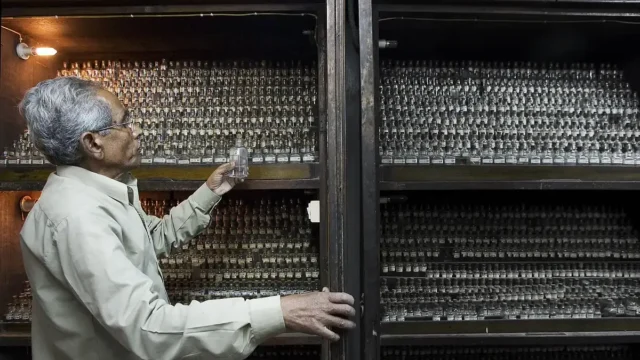
Draft rule to stop drug retailers and wholesalers from advertising prescription-only medicines
The Health Ministry has proposed amending the Drugs Rules, 1945 so that drug retailers, wholesalers and distributors also need prior Central Government sanction to advertise Schedule H, H1 and X medicines. Manufacturers already face this rule. The draft, G.S.R. 861(E) of 28 September 2026, follows DTAB advice and is open for comments for 30 days.
9 Oct 2026
CCPA fines Rapido ₹10 lakh for dark patterns in tipping prompts
On 15 September 2026 the Central Consumer Protection Authority (CCPA) imposed a ₹10 lakh penalty on the company that runs the Rapido ride-hailing app. It found two dark patterns, "confirm shaming" and "interface interference", in prompts that pushed riders to pay more before a ride was confirmed, and ordered the platform to stop them.
15 Sep 2026
E-commerce rules amended: dark patterns, sponsored listings, seller disclosures
On 10 September 2026 the Department of Consumer Affairs amended the Consumer Protection (E-Commerce) Rules, 2020. The new rules make every e-commerce entity join the National Consumer Helpline convergence process, label sponsored listings, show a fair "prior price" for discounts and self-audit for dark patterns. They come into force on 1 January 2027.
10 Sep 2026