
Artificial intelligence moves from screens to machines
Physical artificial intelligence means AI that works in the real world through robots, self-driving vehicles and smart machines — not only on screens like chatbots. On 2 November, Abu Dhabi’s state oil company signed a deal with G42 and OpenAI to use advanced AI across its oil operations. Read it to revise machine learning, sensors and digital twins.
- Idea
- AI + sensors + actuators in the real world
- Deal
- ADNOC with G42 and OpenAI (2 Nov)
- Shell
- Watches over 13,000 machines
- McKinsey view
- ≥ $1 trillion value by 2040
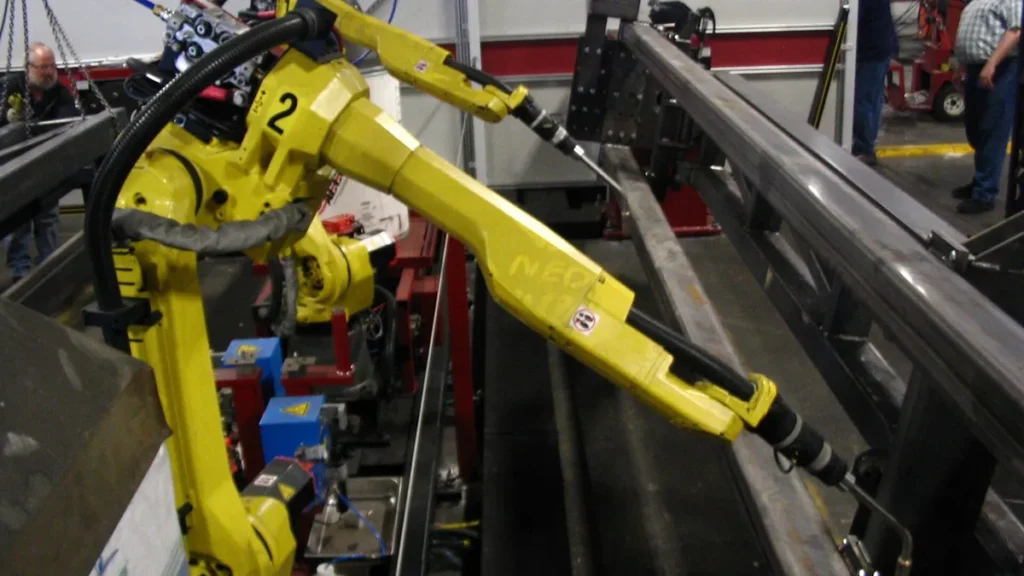
Physical AI: what happened?
Chatbots write text. Physical AI turns that intelligence into robots that see, decide and move.
- Physical artificial intelligence joins AI models with sensors and actuators so machines can see, reason and act.
- On 2 November, Abu Dhabi’s state oil company signed a deal with G42 and OpenAI to use advanced AI across its oil operations.
- Such systems learn from real-world data and improve with use.
- Shell watches over 13,000 machines with predictive maintenance; Foxconn uses robots and digital twins to cut deployment time by about half.
- McKinsey expects robotics and physical AI to create at least a trillion dollars in value by 2040, mostly in manufacturing and logistics.
What is a digital twin?
Machine learning means computers learn patterns from data instead of following fixed rules.
Large language models predict the next word; they power chatbots but have a weak grasp of the physical world.
A digital twin is a live virtual copy of a machine or factory used to test changes before making them.
The Internet of Things connects everyday devices that sense, share data and act.
How physical AI differs
| Feature | Chatbot AI / Physical AI |
|---|---|
| Main world | Text and screens / Factories and roads |
| Needs | Words and images / Sensors and actuators |
| Risk | Wrong answers / Wrong physical actions |
| Jobs hit | Office writing tasks / Routine factory work |
Which ideas and policies apply?
- India’s AI and emerging-tech push under Digital India and national AI strategies.
- Need for safety standards and clear liability when machines act in the real world.
- Data protection and workplace rules as robots enter factories.
- Skilling programmes so workers can move into higher-value roles.
Why does physical AI matter?
| Angle | What to note |
|---|---|
| Productivity | Predictive maintenance cuts breakdowns. |
| Jobs | Routine factory and warehouse work may shrink. |
| Safety | Machines that move need strict testing. |
| Prelims | Machine learning, digital twin, IoT. |
What are the problems with physical AI?
- Real-world data is costly and hard to capture.
- Liability is unclear when a robot causes harm.
- Workers without new skills can be left behind.
- Bias in training data can lead to unsafe decisions.
What should be done next on physical AI?
- Set clear safety and liability standards.
- Invest in skilling for robotics and maintenance.
- Share industrial data carefully with privacy safeguards.
- Support MSMEs to adopt affordable automation.
What can Prelims ask on physical AI?
Prelims probability: Medium. Past-question trend: artificial intelligence uses (2020), large language models (2026) and the Internet of Things (2018). Freshness: big industry deals on robotics and physical artificial intelligence. Static link: machine learning, digital twins. Testable fact: physical artificial intelligence combines models with sensors and actuators.
- Physical AI: models + sensors + actuators.
- Digital twin: live virtual copy of a real system.
- ADNOC–G42–OpenAI deal: 2 November.
- Shell: predictive maintenance on 13,000 machines.
- McKinsey: ≥ $1 trillion by 2040.
How to write about physical AI in Mains
Practice question (15 marks, 250 words): What is physical artificial intelligence? Discuss its applications, benefits and risks.
- Intro: from chatbots to robots.
- How it works: sensors, actuators, digital twins.
- Uses: oil, factories, logistics.
- Risks: jobs, safety, liability.
- Way forward: standards and skills.
Ready lines for your answer
- Intelligence without a body stays on the screen.
- Robots raise output only if workers are ready.
Quotable data pointADNOC deal 2 Nov; Shell 13,000 machines; ≥ $1 tn by 2040.
Photo: Phasmatisnox, CC BY 3.0, via Wikimedia Commons
Exam angle
Prelims: AI, digital twin, IoT. · Mains GS-III: tech and jobs.
Practice MCQs
Original practice questions (not PYQs).
Physical artificial intelligence, recently in the news, refers to:
Answer (a) & explanation
Physical artificial intelligence works in the real world through robots, self-driving vehicles and smart machines, not only on screens like chatbots.
A ‘digital twin’, often mentioned with physical artificial intelligence, is:
Answer (d) & explanation
A digital twin is a virtual model of a real machine or system that is updated with real data and used to test changes.
Questions students ask about this
What is physical AI?
AI that works in the real world through robots and smart machines, not only on screens.
What is a digital twin?
A live virtual copy of a physical system used to simulate and test it.
Which oil company signed a deal with OpenAI?
Abu Dhabi's state oil company (ADNOC), with G42, on 2 November.
Where will most of the economic value come from?
Mostly manufacturing and logistics, according to McKinsey.
How is physical AI different from a chatbot?
A chatbot works with text; physical AI senses and acts in the physical world.