
Indian Diaspora: Size and Spread, Remittances, Soft Power, Government Policy and Challenges (UPSC Notes)
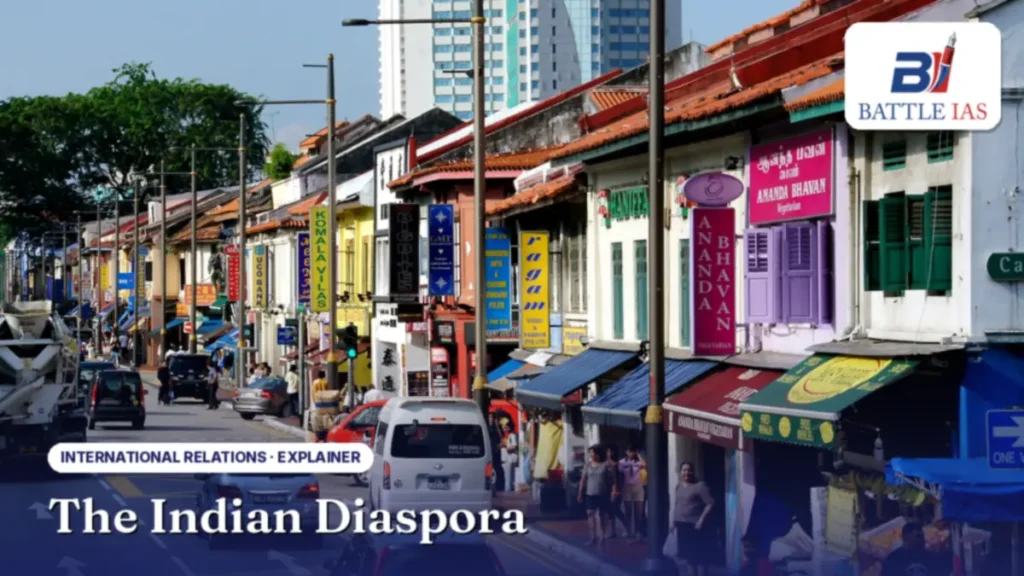
UPSC has already asked about this. Read the story with these questions in mind.
Waves of migration
- Indentured labour (1834-1917) to Mauritius, Fiji, Trinidad, Guyana, Suriname and South Africa.
- Traders and professionals to East Africa and the UK.
- Gulf migration after the 1970s oil boom: about 90 lakh Indians in GCC countries.
- Skilled migration to the US, Canada, UK and Australia since the 1990s IT boom; students now a large stream.
Contributions
Remittances exceed India’s FDI inflows in many years and are a cushion for the current account. Kerala’s economy is shaped by Gulf money. Diaspora leaders head global firms; Indian-origin politicians hold top offices in several countries. The diaspora lobbied for the India-US civil nuclear deal and spreads yoga, cinema and cuisine.
Government engagement
- Pravasi Bharatiya Divas on 9 January (Gandhi’s return from South Africa in 1915).
- OCI card (2005) with lifelong visa; PIO card merged into it in 2015.
- eMigrate portal and ECR passports for vulnerable workers; Pravasi Bharatiya Bima Yojana.
- Evacuations: Kuwait 1990 (about 1.7 lakh people by air), Operation Rahat (Yemen 2015), Vande Bharat (COVID-19), Operation Ganga (Ukraine 2022), Operation Kaveri (Sudan 2023).
- Indian Community Welfare Fund in missions.
Challenges
Wage theft, kafala sponsorship rules and deaths of Gulf workers; visa curbs and anti-immigration politics in the West (US H-1B changes, UK and Canada student visa limits); illegal migration and deportations; brain drain; and diaspora politics that can strain ties, as with Khalistan activism in Canada. A new emigration law to replace the Emigration Act, 1983 has been drafted.
Indian Diaspora: UPSC angle
For UPSC CSE
Prelims: OCI facts, Pravasi Divas date, remittance rank. Mains GS-II: diaspora as a strategic asset, Gulf labour issues, evacuations.
Indian Diaspora UPSC PYQs (Prelims)
Questions UPSC has actually asked, from the official papers. Pick an option to check yourself.
No Prelims question in the Battle IAS bank is directly on this topic yet.
Mains PYQs on this topic
Questions from the official UPSC Mains papers (2023-2026 in the Battle IAS Mains bank), newest first. Each links to a model answer.
- UPSC Mains 2026 · GS Paper II · Q19 · 15 marks
“India's global diaspora acts as a living bridge, as a critical economic factor and knowledge network in transforming cultural heritage into geopolitical influence and strategic leverage worldwide.” Critically examine this statement.
- UPSC Mains 2023 · GS Paper II · Q10 · 10 marks
Indian diaspora has scaled new heights in the West. Describe its economic and political benefits for India.
Quick quiz
Pravasi Bharatiya Divas is observed on
Gandhi returned from South Africa on 9 January 1915.Answer (b)
India’s rank in global remittance receipts is
World Bank data.Answer (a)
The PIO card was merged with the OCI card in
Single category.Answer (c)
FAQs
What is the difference between an NRI and a PIO?
An NRI is an Indian citizen living abroad; a PIO is a foreign citizen of Indian origin.
Can an OCI card holder vote in India?
No. OCI gives visa and residence benefits but not voting rights or public office.
Where do most Indian remittances come from?
The US is now the largest source, followed by the UAE and other Gulf countries.
What was Operation Ganga?
The 2022 evacuation of Indian students from Ukraine.
Spotted an error? Tell us. We correct within 48 hours.
How to use this in Mains
If asked: UPSC Mains 2026, GS-II: “India's global diaspora acts as a living bridge, as a critical economic factor and knowledge network in transforming cultural heritage into geopolitical influence and strategic leverage worldwide.” Critically examine this statement.
Quote: “Remittances exceed India’s FDI inflows in many years and are a cushion for the current account.”
Use it: A hard economic point; add soft power in the next line.
In the news
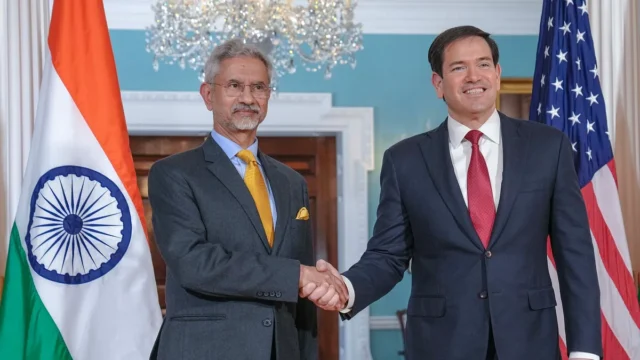
Rubio in Mumbai: India–US trade deal ‘very, very close’; energy and defence on the table
US Secretary of State Marco Rubio began his second India visit of the year in Mumbai on 20 October 2026 and met External Affairs Minister S. Jaishankar on trade, energy, technology and defence. Rubio said the two sides are ‘very, very close’ to a trade deal with ‘a small number of items left’, and praised India’s progress in diversifying energy supplies.
20 Oct 2026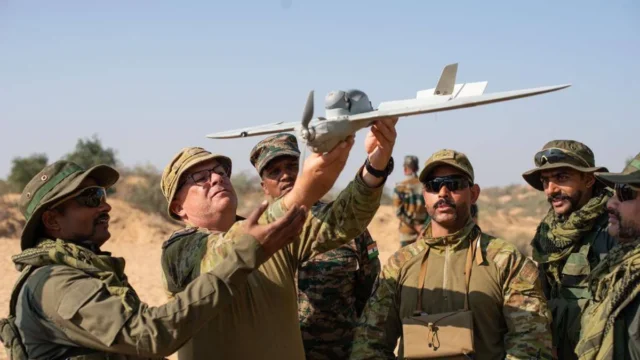
AUSTRAHIND 2026: fifth India–Australia Army exercise begins in Thiruvananthapuram
The fifth edition of the India–Australia joint military exercise AUSTRAHIND began on 19 October 2026 at the Foreign Training Node, Thiruvananthapuram, and runs till 1 November. About 120 soldiers from each army will train for sub-conventional operations in island and coastal terrain under a UN Chapter VII mandate. For the first time, New Zealand has sent observers.
20 Oct 2026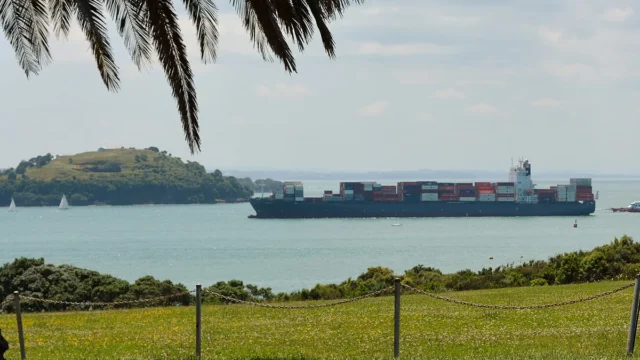
India–New Zealand FTA enters into force: zero duty on all Indian exports from day one
The India–New Zealand Free Trade Agreement came into force on 20 October 2026. From day one, New Zealand charges no customs duty on any Indian export, the first time India has got full duty-free access on all tariff lines at entry into force. New Zealand has also committed to facilitate USD 20 billion of investment into India, while dairy, sugar and edible oils stay protected.
20 Oct 2026
India to host 61st CIML meeting on legal metrology in New Delhi, 26–28 October
India will host the 61st meeting of the International Committee of Legal Metrology (CIML) for the first time, in New Delhi from 26 to 28 October 2026. The Department of Consumer Affairs is organising it with the International Organization of Legal Metrology (OIML), and more than 100 delegates are expected, PIB said on 19 October.
19 Oct 2026