
UPSC Mains 2023 GS1 Q15: model answer
Identify and discuss the factors responsible for diversity of natural vegetation in India. Assess the significance of wildlife sanctuaries in rain forest regions of India.
What the question wants
Factors behind vegetation diversity and the value of sanctuaries in rainforest areas.
How to structure it
Intro: India's vegetation ranges from tropical evergreen to alpine. Body: (1) Factors: rainfall, temperature, relief and altitude, soils, latitude, photoperiod, human influence; (2) Rainforest regions: Western Ghats, North-East, Andaman and Nicobar; (3) Significance of sanctuaries: protect endemic species (lion-tailed macaque, hoolock gibbon), hotspots, watersheds, carbon sinks, tribal livelihoods, eco-tourism; examples Silent Valley, Namdapha. Conclusion: corridors and community involvement.
- 1(1) Factors: rainfall, temperature, relief and altitude, soils, latitude, photoperiod, human influence
- 2(2) Rainforest regions: Western Ghats, North-East, Andaman and Nicobar
- 3(3) Significance of sanctuaries: protect endemic species (lion-tailed macaque, hoolock gibbon), hotspots, watersheds, carbon sinks, tribal livelihoods, eco-tourism
- 4Examples Silent Valley, Namdapha
Model answer
India's natural vegetation ranges from tropical evergreen forests to deserts, mangroves and alpine meadows.
| Annual rainfall | Vegetation | Example region |
|---|---|---|
| Over 200 cm | Tropical evergreen | Western Ghats, North-East |
| 100–200 cm | Moist deciduous | Odisha, Jharkhand |
| 50–100 cm | Dry deciduous | Interior Deccan |
| Below 50 cm | Thorn and scrub | Rajasthan, Kutch |
| Saline coasts | Mangroves | Sundarbans |
Factors behind this diversity
- Rainfall: over 200 cm supports evergreen forests; 100–200 cm moist deciduous; 50–100 cm dry deciduous; below 50 cm thorn scrub.
- Temperature and altitude: in the Himalaya vegetation changes from tropical to temperate, coniferous and alpine with height.
- Relief: windward Western Ghats are wet and green; the leeward Deccan is drier.
- Soils: saline soils in deltas support mangroves; sandy soils in Rajasthan support xerophytes.
- Sunlight and latitude affect growth seasons.
- Human activity: clearing, grazing and plantations.
Rainforest regions: the Western Ghats, the North-East and the Andaman and Nicobar Islands, which form parts of global biodiversity hotspots.
Significance of wildlife sanctuaries there
- Endemic species: Silent Valley protects the lion-tailed macaque; Hollongapar Gibbon Sanctuary in Assam protects the hoolock gibbon.
- Hotspot protection: Namdapha in Arunachal holds four big cats.
- Watersheds: forests feed rivers like the Kaveri and Brahmaputra tributaries.
- Carbon sinks and climate regulation.
- Genetic resources for medicine and crops.
- Eco-tourism and livelihoods for local communities.
Limits: fragmentation, plantations, encroachment and human-wildlife conflict.
Corridors, community conservation and stronger protection are needed to keep these forests alive.
Keywords, cases and data to drop in
rainfall zones altitude zonation Western Ghats Silent Valley Namdapha endemism
Where most answers lose marks
- Only listing forest types.
- Skipping the second part.
Fresh examples from current affairs

NBA shares Rs 1.19 crore with 29 State Biodiversity Boards from use of crop genetic resources
On 17 October 2026 the National Biodiversity Authority (NBA) said it had shared ₹1.19 crore with 29 State Biodiversity Boards and one UT Biodiversity Council. The money came from seed companies that used Indian maize, rice, pearl millet and cotton for research and commercial hybrids. As the crops were bought from markets and the original holders could not be traced, the amount was split in proportion to each State’s cultivation area. The release comes two days before the CBD COP 17 opens in Yerevan.
UPSC angle: Prelims: NBA, BD Act 2002, Nagoya Protocol, BMCs, CBD COP 17. · Mains GS-III: benefit sharing and community-led conservation.
18 Oct 2026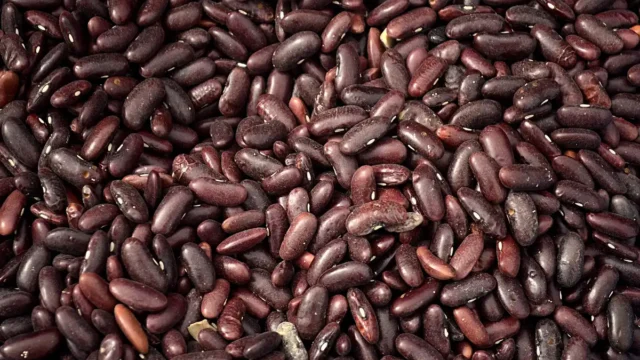
National Biodiversity Authority shares ₹2.02 crore Access and Benefit-Sharing money from seed companies
The National Biodiversity Authority distributed ₹2.02 crore of Access and Benefit-Sharing money, paid by seed companies using crops such as rice, tomato and okra, among 27 State Biodiversity Boards and 3 UT councils by cultivation area. Its total ABS disbursement has now reached ₹202 crore, ahead of CBD COP 17 in Yerevan from 19 October 2026.
UPSC angle: Prelims: ABS, KMGBF targets, COP 17 venue. · Mains GS-III: biodiversity conservation and benefit-sharing.
10 Oct 2026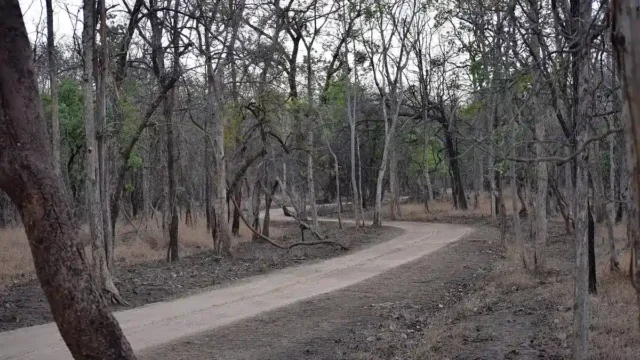
NHAI documents 2,150+ wildlife mitigation structures on national highways
NHAI released a document on wildlife mitigation measures during National Wildlife Week (2-8 October 2026). It records over 2,150 wildlife crossing structures built or proposed on national highways and about ₹19,700 crore spent in five years on such measures, from animal underpasses and overpasses to viaducts, tunnels and canopy crossings.
UPSC angle: Prelims: Wildlife Week, types of crossings. · Mains GS-III: conservation and infrastructure.
8 Oct 2026
Project Cheetah: Indian-born cheetah gives birth to five cubs at Kuno; population reaches 60
On 5 October 2026 KJP21, a 32-month-old Indian-born female cheetah, gave birth to five cubs at Kuno National Park. India now has 60 cheetahs, 41 of them born in India. KJP21 is the third Indian-born female to breed, and the father is from Botswana, starting a Botswanan lineage in India.
UPSC angle: Prelims: Kuno, cheetah facts. · Mains GS-III: species reintroduction.
5 Oct 2026Learn the concept
Question text as printed in the official UPSC question paper: https://www.upsc.gov.in/sites/default/files/QP-CSM-23-GENERAL-STUDIES-PAPER-I-180923.pdf The model answer is original Battle IAS work; use it to learn structure, not to memorise.