
UPSC Mains 2024 GS1 Q14: model answer
The groundwater potential of the gangetic valley is on a serious decline. How may it affect the food security of India?
What the question wants
Explain the decline and trace its effect on availability, access and stability of food.
How to structure it
Intro: The Indo-Gangetic plain holds one of the world's largest alluvial aquifers. Body: (1) Causes; (2) Effects on food security (availability, cost, stability); (3) Remedies. Conclusion: Water security is food security.
- 1(1) Causes
- 2(2) Effects on food security (availability, cost, stability)
- 3(3) Remedies
Model answer
The Indo-Gangetic plain holds one of the world's largest alluvial aquifers. It feeds India's grain bowl of Punjab, Haryana, western UP and Bihar. Satellite (GRACE) studies and Central Ground Water Board data show steep falls in water tables, especially in the north-west.
Causes
- Rice-wheat cropping with free power for tube-wells.
- MSP and procurement favour water-heavy crops.
- Falling recharge due to urban paving and weaker monsoons in places.
- Pollution: arsenic in Bihar, Bengal; fluoride and nitrates.
Effects on food security
- Availability: most irrigation here depends on groundwater; falling tables threaten wheat and rice output, the backbone of the central pool and PDS.
- Cost: deeper borewells raise costs; small farmers drop out.
- Stability: groundwater is the buffer during drought; losing it makes harvests more volatile.
- Nutrition and health: arsenic-contaminated water enters the food chain through rice.
- Rural livelihoods: lower incomes reduce access to food.
- Climate stress: heatwaves raise irrigation demand further.
Remedies
- Crop diversification to pulses, maize and millets with procurement support.
- Direct seeded rice and micro-irrigation.
- Rational power pricing; solar pumps under PM-KUSUM with metering.
- Atal Bhujal Yojana style community management; recharge through ponds.
Water security is food security. Saving the Gangetic aquifer is the cheapest insurance for India's future harvests.
Keywords, cases and data to drop in
Indo-Gangetic aquifer GRACE rice-wheat cycle central pool arsenic crop diversification
Where most answers lose marks
- Not linking to dimensions of food security.
Fresh examples from current affairs
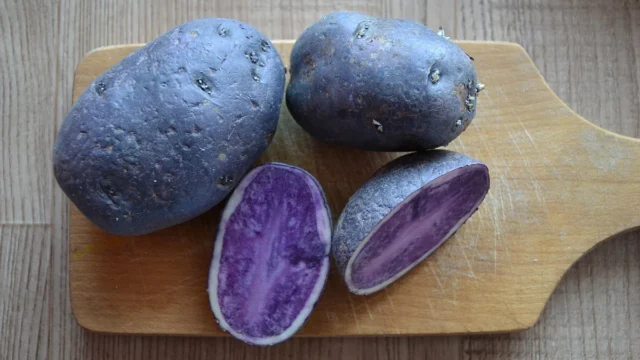
Kufri Jamunia: ICAR-CPRI’s purple potato to fight hidden hunger
A PIB backgrounder of 18 October 2026 puts the spotlight on Kufri Jamunia, a purple-fleshed potato bred by ICAR’s Central Potato Research Institute and released in 2024. It has nearly twice the Vitamin C of a common potato and several times more zinc and iron, along with antioxidants called anthocyanins. The idea is clever: instead of asking people to change what they eat, make the food they already eat more nutritious. That is biofortification.
UPSC angle: Prelims: Kufri Jamunia, CPRI, anthocyanins, biofortification vs fortification. · Mains GS-III: nutrition security; GS-II: hunger.
18 Oct 2026
Oil companies bar sugar-based ethanol for 2026-27; maize incentive cut to ₹2.79 a litre
The oil marketing companies have kept sugar out of India’s ethanol programme for the coming year. The tender issued on 16 October 2026 seeks about 11 billion litres of ethanol for the 2026-27 supply year, but asks for none made from sugarcane juice, sugar syrup or B-heavy molasses, because the Government wants sugar diversion for ethanol cut to zero. Grain must now carry the load, and even the maize incentive has been cut. Read this as a live example of the food-versus-fuel trade-off.
UPSC angle: Prelims: E20, NPB 2018, molasses grades, feedstocks. · Mains GS-III: energy security vs food security; farm incomes.
18 Oct 2026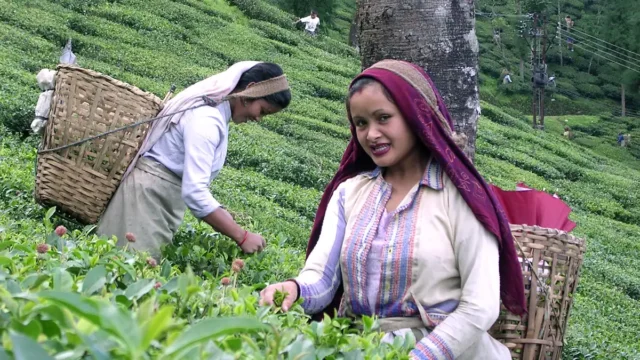
FSSAI proposes residue limits for acetamiprid and imidacloprid in tea
On 17 October 2026 FSSAI explained draft limits for two insecticides in tea: 20 ppm for acetamiprid and 50 ppm for imidacloprid. The draft, published in the Gazette on 16 October, amends the rules on contaminants, toxins and residues. India’s proposed acetamiprid limit is lower than Japan’s 30 ppm and the USA’s 50 ppm.
UPSC angle: Prelims: MRL, neonicotinoids, Insecticides Act 1968, FSS Act 2006. · Mains GS-III: pesticide regulation and food safety.
17 Oct 2026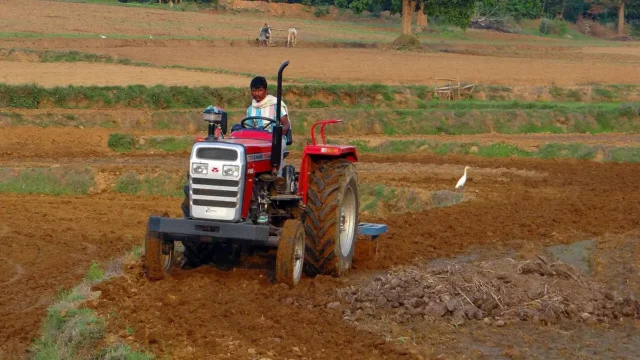
Khet Bachao Abhiyan: Centre reviews 22 October to 30 November farm campaign with States
On 17 October 2026 Union Agriculture Minister Shivraj Singh Chouhan reviewed preparations for the Khet Bachao Abhiyan with agriculture ministers of 11 States and UTs. The campaign runs from 22 October to 30 November 2026. About 4,150 teams of Krishi Vigyan Kendra and ATMA staff, with over 12,000 scientists and officials, plan around 1.5 lakh meetings with farmers on soil health, crop residue, balanced fertiliser use and key schemes.
UPSC angle: Prelims: Khet Bachao Abhiyan dates, KVK, ATMA, Soil Health Card. · Mains GS-III: agricultural extension and sustainable farming.
17 Oct 2026Learn the concept
Question text as printed in the official UPSC question paper: https://www.upsc.gov.in/sites/default/files/QP_CSM_2024_GenStud_I_03102024.pdf The model answer is original Battle IAS work; use it to learn structure, not to memorise.