
UPSC Mains 2024 GS3 Q8: model answer
What role do environmental NGOs and activists play in influencing Environmental Impact Assessment (EIA) outcomes for major projects in India? Cite four examples with all important details.
What the question wants
Role of civil society in EIA and four real cases.
How to structure it
Intro: EIA Notification 2006 and public hearing. Body: (1) roles of NGOs (hearings, litigation, scientific scrutiny); (2) example: Niyamgiri; (3) Silent Valley; (4) Aarey; (5) Hasdeo Arand or Mopa. Conclusion: balance with timely clearances.
- 1(1) roles of NGOs (hearings, litigation, scientific scrutiny)
- 2(2) example: Niyamgiri
- 3(3) Silent Valley
- 4(4) Aarey
- 5(5) Hasdeo Arand or Mopa
Model answer
Under the EIA Notification, 2006, major projects need public consultation. NGOs and activists use it, along with courts and the NGT, to shape outcomes.
Roles: mobilise local voices, expose flawed EIA reports, file cases, and push for alternatives.
Examples
- Silent Valley, Kerala (1970s–80s): KSSP and others opposed a hydel dam; the project was dropped and the area became a National Park in 1984.
- Niyamgiri, Odisha: Dongria Kondh and activists opposed Vedanta's bauxite mine; the Supreme Court (2013) let gram sabhas decide, and all 12 rejected it.
- Aarey, Mumbai: citizens opposed tree felling for a metro car shed; the Supreme Court took up the matter in 2019 and around 800 acres were later notified as forest.
- Hasdeo Arand, Chhattisgarh: tribal groups opposed coal mining in dense forest; the Assembly passed a resolution in 2022 against new blocks.
Civil society improves EIA quality, though it must avoid needless delay. Independent appraisal agencies would help.
Keywords, cases and data to drop in
EIA 2006 public hearing Niyamgiri 2013 Silent Valley Aarey
Where most answers lose marks
- Giving examples without details.
Fresh examples from current affairs
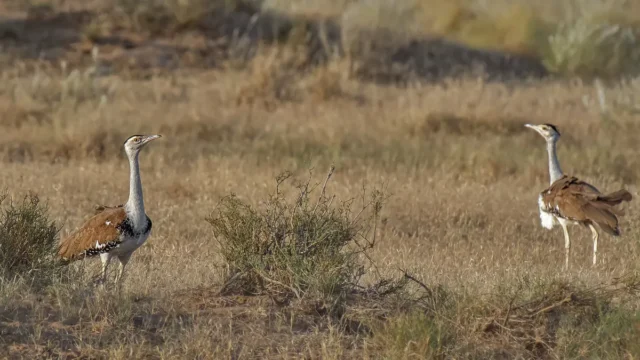
National Red List of birds: 1,211 species under assessment, 107 done in first review
India has begun a national Red List assessment of its 1,211 regularly occurring bird species using the IUCN framework. By 19 October 2026, a preliminary review of 107 species was complete, with the Great Indian Bustard proposed as Critically Endangered and the Indian Roller as Vulnerable. A final assessment is expected towards the end of 2027.
UPSC angle: Prelims: IUCN categories, species and their proposed status, lead institutions. · Mains GS-III: biodiversity conservation and data gaps.
20 Oct 2026
NBA shares Rs 1.19 crore with 29 State Biodiversity Boards from use of crop genetic resources
On 17 October 2026 the National Biodiversity Authority (NBA) said it had shared ₹1.19 crore with 29 State Biodiversity Boards and one UT Biodiversity Council. The money came from seed companies that used Indian maize, rice, pearl millet and cotton for research and commercial hybrids. As the crops were bought from markets and the original holders could not be traced, the amount was split in proportion to each State’s cultivation area. The release comes two days before the CBD COP 17 opens in Yerevan.
UPSC angle: Prelims: NBA, BD Act 2002, Nagoya Protocol, BMCs, CBD COP 17. · Mains GS-III: benefit sharing and community-led conservation.
18 Oct 2026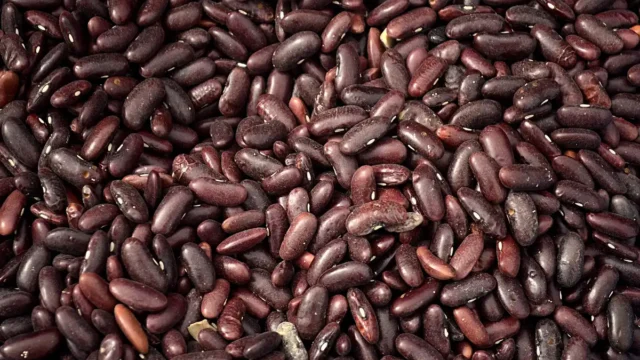
National Biodiversity Authority shares ₹2.02 crore Access and Benefit-Sharing money from seed companies
The National Biodiversity Authority distributed ₹2.02 crore of Access and Benefit-Sharing money, paid by seed companies using crops such as rice, tomato and okra, among 27 State Biodiversity Boards and 3 UT councils by cultivation area. Its total ABS disbursement has now reached ₹202 crore, ahead of CBD COP 17 in Yerevan from 19 October 2026.
UPSC angle: Prelims: ABS, KMGBF targets, COP 17 venue. · Mains GS-III: biodiversity conservation and benefit-sharing.
10 Oct 2026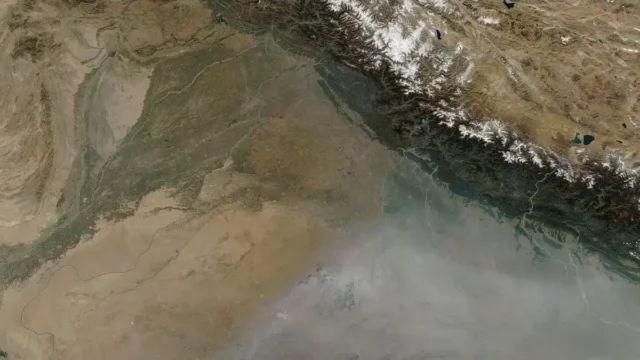
CAQM reviews stubble-burning hotspots in Amritsar and Tarn Taran
A CAQM team visited Amritsar and Tarn Taran, two Punjab hotspots of paddy stubble burning, on 9-10 October 2026 and reviewed crop residue machinery, baler supply chains and control rooms. CAQM flying squads are deployed in 18 Punjab districts from 1 October to 30 November 2026 to check burning during harvest.
UPSC angle: Prelims: CAQM, in-situ/ex-situ. · Mains GS-III: air pollution, crop residue.
10 Oct 2026Learn the concept
Question text as printed in the official UPSC question paper: https://www.upsc.gov.in/sites/default/files/QP_CSM_2024_GenStud_III_03102024.pdf The model answer is original Battle IAS work; use it to learn structure, not to memorise.