
UPSC Mains 2025 GS3 Q15: model answer
How does nanotechnology offer significant advancements in the field of agriculture ? How can this technology help to uplift the socio-economic status of farmers ?
What the question wants
Applications of nanotech in farming, how they help farmers economically, and concerns.
How to structure it
Intro: definition. Body: (1) Advancements; (2) Socio-economic uplift; (3) Concerns; (4) Way forward. Conclusion: Nanotechnology can help Indian farmers if science, safety and extension move together.
- 1(1) Advancements
- 2(2) Socio-economic uplift
- 3(3) Concerns
- 4(4)
Model answer
Nanotechnology works with materials at 1–100 nanometres, where they behave differently because of their huge surface area. In agriculture it promises to do more with fewer inputs.
Advancements
- Nano-fertilisers: IFFCO's Nano Urea (2021) and Nano DAP (2023) as liquid foliar sprays, aimed at higher nutrient-use efficiency.
- Nano-pesticides: controlled release reduces doses and runoff.
- Nano-sensors: monitor soil moisture, nutrients and disease for precision farming.
- Seed treatment: better germination and stress tolerance.
- Post-harvest: nano-coatings and packaging extend shelf life of fruits.
- Water: nano-filters for cleaning irrigation water.
Socio-economic uplift
- Lower input costs: a small bottle replaces bags, cutting transport and storage costs for small farmers.
- Higher yields and quality lead to better prices.
- Reduced fertiliser subsidy and import bill frees public money for farmers.
- Less post-harvest loss raises income.
- Healthier soil and water protect long-term productivity.
- New rural jobs in drone spraying (Namo Drone Didi trains SHG women).
Concerns
- Some field trials questioned yield claims of nano urea; independent long-term studies are needed.
- Toxicity of nanoparticles in soil, food and human health not fully known.
- Cost and awareness gaps for small farmers.
Way forward: clear regulation (DBT's guidelines for nano-agri inputs, 2020), ICAR trials, extension through KVKs.
Nanotechnology can help Indian farmers if science, safety and extension move together.
Keywords, cases and data to drop in
Nano Urea Nano DAP precision farming nano-sensors Namo Drone Didi biosafety
Where most answers lose marks
- Uncritical praise of nano urea.
Fresh examples from current affairs
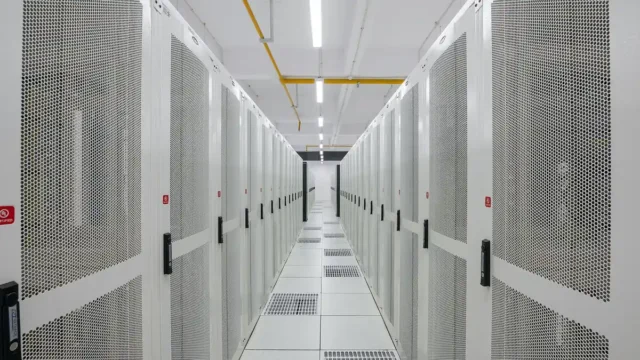
Open-weight AI models: why Big Tech gives them away and what it means for India
In October 2026 alone, Reflection AI, Meta, NVIDIA and Mistral released or announced open-weight AI models. The Hindu explained on 20 October why firms spend heavily and then let anyone download the weights: to win developers, set standards and earn from cloud, chips and services. For India, open weights offer a base to build Indian-language AI, but they also bring safety risks.
UPSC angle: Prelims: weights, open-weight vs open-source, IndiaAI, AI4Bharat. · Mains GS-III: AI sovereignty, safety and regulation.
21 Oct 2026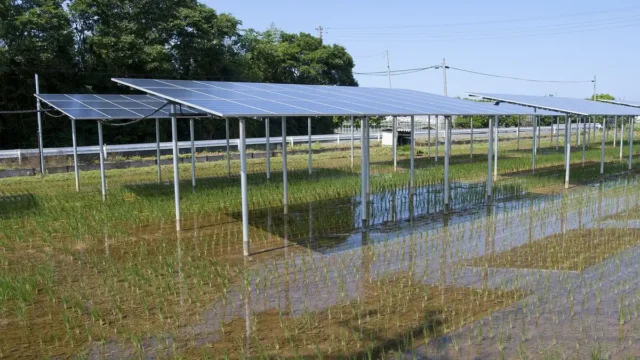
Agrivoltaics: Centre plans a scheme to push solar panels above farms; 5 GW seen in 3–4 years
MNRE Secretary Santosh Kumar Sarangi said on 19 October 2026 that the Centre is planning a central sector scheme to help States adopt agrivoltaics, either standalone or within PM-KUSUM 2.0. He expects capacity to cross 5 GW in three to four years if States notify feed-in tariffs. India hosts the 7th Agrivoltaics World Conference in New Delhi from 21 to 23 October.
UPSC angle: Prelims: agrivoltaics, PM-KUSUM components, feed-in tariffs. · Mains GS-III: energy transition and food security.
20 Oct 2026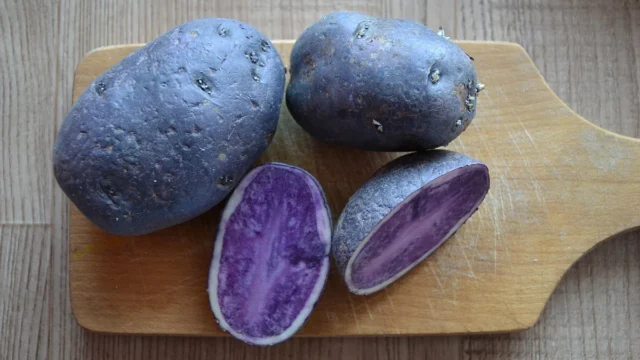
Kufri Jamunia: ICAR-CPRI’s purple potato to fight hidden hunger
A PIB backgrounder of 18 October 2026 puts the spotlight on Kufri Jamunia, a purple-fleshed potato bred by ICAR’s Central Potato Research Institute and released in 2024. It has nearly twice the Vitamin C of a common potato and several times more zinc and iron, along with antioxidants called anthocyanins. The idea is clever: instead of asking people to change what they eat, make the food they already eat more nutritious. That is biofortification.
UPSC angle: Prelims: Kufri Jamunia, CPRI, anthocyanins, biofortification vs fortification. · Mains GS-III: nutrition security; GS-II: hunger.
18 Oct 2026
Oil companies bar sugar-based ethanol for 2026-27; maize incentive cut to ₹2.79 a litre
The oil marketing companies have kept sugar out of India’s ethanol programme for the coming year. The tender issued on 16 October 2026 seeks about 11 billion litres of ethanol for the 2026-27 supply year, but asks for none made from sugarcane juice, sugar syrup or B-heavy molasses, because the Government wants sugar diversion for ethanol cut to zero. Grain must now carry the load, and even the maize incentive has been cut. Read this as a live example of the food-versus-fuel trade-off.
UPSC angle: Prelims: E20, NPB 2018, molasses grades, feedstocks. · Mains GS-III: energy security vs food security; farm incomes.
18 Oct 2026Learn the concept
Question text as printed in the official UPSC question paper: https://www.upsc.gov.in/sites/default/files/GENERAL-STUDIES-PAPER-III-QP-CSM-25-010925.pdf The model answer is original Battle IAS work; use it to learn structure, not to memorise.