
UPSC Mains 2018 GS Paper 1 Q14: model answer
“The ideal solution of depleting ground water resources in India is water harvesting system.” How can it be made effective in urban areas?
What the question wants
Explain how rainwater harvesting can be made effective in Indian cities as the answer to falling groundwater.
How to structure it
How can it be made effective in urban areas: the focus is urban implementation, not a definition.
- The problem
- Why harvesting fits
- Why it often fails in cities
- Making it effective
- Limits of the 'ideal solution' claim
How to think it through
Chennai is the perfect case. It made rooftop harvesting compulsory in 2003, saw water tables rise, then let the systems silt up, and ran dry in 2019. So the lesson is: a law is not enough; maintenance, design and the city's lakes matter as much as the rooftop.
Model answer
In 2003 Tamil Nadu made rooftop rainwater harvesting compulsory for all buildings, and Chennai's water table rose in the following years. By June 2019 the city's reservoirs had run dry and 'Day Zero' headlines went round the world. Both events hold the lessons for making harvesting work in cities.
The problem
- The Central Ground Water Board reports many urban blocks as over-exploited; Bengaluru, Delhi and Chennai pump far more than nature recharges.
- Concrete surfaces stop rain from soaking in; most of it runs off into drains.
Why harvesting suits cities
- Large roof and paved areas collect huge volumes; a 100 sq m roof in a city with 1,000 mm of rain can capture about 1 lakh litres a year.
- Cheap, decentralised and quick to install.
- Reduces urban flooding by holding back storm runoff.
Why it often fails
- Systems installed only on paper to get building approval.
- No maintenance: filters choke, pits silt up.
- Poor design for local soil and aquifers.
- Encroachment of lakes and wetlands that once stored water.
How to make it effective
- Mandate with monitoring: geo-tagged systems and annual inspection, with property tax rebates for working systems (as some cities like Indore offer).
- Design to local geology: recharge wells in hard-rock Bengaluru, recharge pits and trenches in alluvial Delhi.
- Public spaces: parks, roads, playgrounds and campuses with recharge structures; Delhi's Jal Board guidance.
- Revive lakes and stepwells: Hyderabad's Mission Kakatiya-style tank restoration, Bengaluru's lake rejuvenation.
- Sponge-city planning: permeable pavements, bioswales and green roofs.
- Community and RWA ownership, school campaigns, Jal Shakti Abhiyan: Catch the Rain (since 2021).
- Integrate with reuse: treated wastewater for non-drinking uses reduces pumping.
Is it the 'ideal' solution?
Harvesting is necessary but not sufficient. Cities must also cut leakage (often 30–40% of supply), price water sensibly and regulate borewells. Combined, these can stop the slide in urban groundwater.
Draw: Building section: roof → filter → storage tank → recharge pit → aquifer.
Keywords, cases and data to drop in
CGWB over-exploited blocks, Chennai 2003 mandate, Day Zero 2019, Catch the Rain, sponge city, recharge wells, AMRUT 2.0.
Where most answers lose marks
- Writing about rural harvesting or defining it at length. The question asks how to make it effective in cities.
Related Mains PYQs
- Discuss the natural resource potentials of ‘Deccan Trap’. UPSC 2022 · GS-I
- Examine the potential of wind energy in India and explain the reasons for their limited spatial spread. UPSC 2022 · GS-I
- Describing the distribution of rubber-producing countries, indicate the major environmental issues faced by them. UPSC 2022 · GS-I
- Mention the significance of straits and isthmus in international trade. UPSC 2022 · GS-I
Fresh examples from current affairs

Cauvery panel tells Karnataka to release 3,000 cusecs to Tamil Nadu: Article 262 and the inter-State water dispute
The Cauvery Water Regulation Committee has told Karnataka to ensure 3,000 cusecs of water a day at Biligundlu for 15 days, and the Cauvery Water Management Authority has endorsed it. Tamil Nadu wanted almost five times more, including a claimed backlog. Karnataka says a weak monsoon has left its four Cauvery reservoirs 55% short and most of its taluks in drought. For you, this is a live case study of Article 262, water tribunals and how a dry year turns sharing into a crisis.
UPSC angle: Prelims: Cauvery source and tributaries, Article 262, ISWD Act 1956, CWMA. · Mains GS-II: inter-State water disputes; cooperative federalism.
25 Oct 2026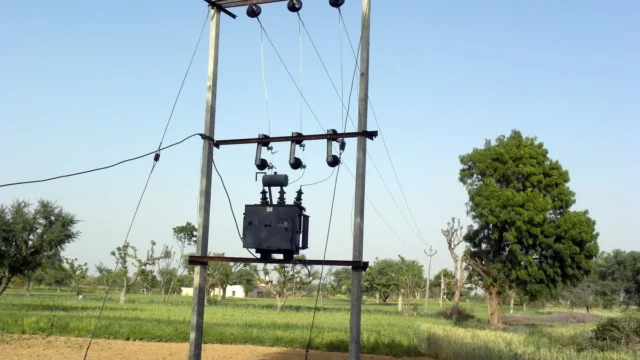
Haryana’s first private power distributor: what a parallel licence means for Gurugram and Nuh
The Haryana Electricity Regulatory Commission (HERC) on 19 October 2026 gave Eleven Power Pvt Ltd a 25-year parallel distribution licence for Gurugram and Nuh. It will be Haryana’s first private distributor and India’s second case of parallel licensing after Mumbai. The State government and power-sector staff oppose it and plan to appeal to the Appellate Tribunal for Electricity.
UPSC angle: Prelims: Section 14, APTEL, Concurrent List Entry 38. · Mains GS-III: discom reform, cross-subsidy, competition.
22 Oct 2026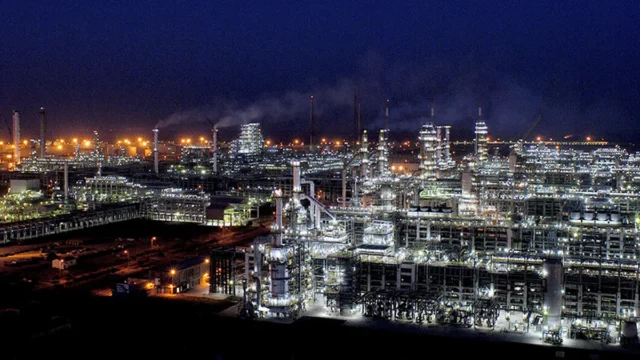
Rubio at Jamnagar: US pitches oil and Venezuelan crude to India’s ‘refining superpower’
US Secretary of State Marco Rubio visited Reliance’s Jamnagar refinery complex in Gujarat on 21 October 2026, a day after calling India a ‘refining superpower’. He wants India to buy more US oil and refine more Venezuelan crude. In Mumbai on 20 October, External Affairs Minister S. Jaishankar also held an unannounced India–US–UAE meeting on energy and connectivity, with the Strait of Hormuz blocked.
UPSC angle: Prelims: Jamnagar, Hormuz, I2U2, IMEC, SPR sites. · Mains GS-II/III: energy security vs strategic autonomy; India–US–UAE.
21 Oct 2026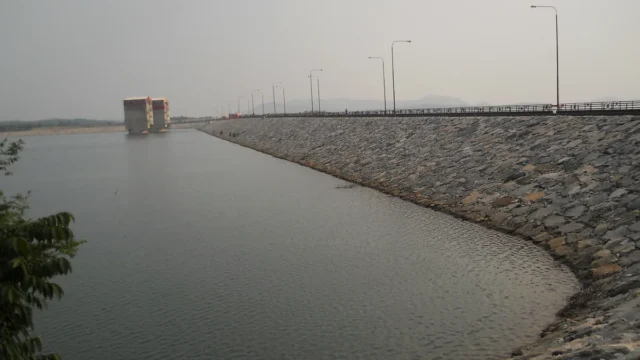
Pumped storage hydropower: India’s roadmap for 100 GW of ‘water batteries’ by 2035-36
A PIB backgrounder of 19 October 2026 explains how pumped storage projects (PSPs) will store solar and wind power for India’s grid. India runs 7.43 GW of pumped storage today, is building 15.87 GW more and has an assessed potential of 345.38 GW. A roadmap aims to add about 100 GW between 2025-26 and 2035-36.
UPSC angle: Prelims: PSP types, CEA, ISTS waiver, IRENA ranking. · Mains GS-III: storage and the clean energy transition.
19 Oct 2026Learn the concept
Question text as printed in the official UPSC Civil Services (Main) question paper. The model answer is original Battle IAS work; use it to learn structure, not to memorise.
Want every PYQ in one place? See the Battle IAS PYQ Book.