
UPSC Mains 2018 GS Paper 1 Q15: model answer
Defining blue revolution, explain the problems and strategies for pisciculture development in India.
What the question wants
Define the Blue Revolution and explain the problems and strategies of fish farming in India.
How to structure it
Three parts: Define, problems, strategies.
- Definition and status
- Problems
- Strategies
- Conclusion
How to think it through
Fish is India's fastest-growing farm sector, yet a fish farmer in Andhra and one in Bihar live in different centuries. Andhra has hatcheries, feed mills and cold chains; Bihar has ponds and hope. Problems and strategies should come from that contrast.
Model answer
India is the world's second-largest fish producer, with about 175 lakh tonnes in 2022–23, and inland aquaculture now gives more than two-thirds of it. Andhra Pradesh alone produces about a third of India's inland fish.
Blue Revolution
The Blue Revolution means rapid growth of fisheries and aquaculture through better technology, investment and markets, much as the Green Revolution did for grain. The government launched a Blue Revolution scheme in 2015–16, followed by the PM Matsya Sampada Yojana (PMMSY, 2020).
Problems in pisciculture
- Seed and feed: shortage of quality fish seed and costly feed in many states.
- Disease: outbreaks in shrimp farms (white spot) cause huge losses.
- Infrastructure: few cold chains, ice plants, processing units and fishing harbours; post-harvest losses are high.
- Credit and insurance are limited for small fish farmers.
- Unscientific practices: overuse of antibiotics and chemicals hurts exports.
- Environment: conversion of mangroves and farmland to shrimp ponds causes salinity and pollution.
- Water bodies: under-use of reservoirs, tanks and floodplain wetlands; conflicts over leasing.
- Market: middlemen take a large share; weak domestic marketing.
Strategies
- PMMSY (₹20,050 crore): hatcheries, brood banks, cold chains, fishing harbours, insurance and Kisan Credit Cards for fishers.
- Species diversification: tilapia, pangasius, seabass, ornamental fish; cage culture in reservoirs and open-sea cages.
- Technology: recirculating aquaculture systems (RAS), biofloc, integrated rice–fish farming.
- Disease control and certification to meet export standards.
- Cooperatives and FFPOs for collective marketing; e-markets.
- Training and extension through the National Fisheries Development Board.
- Sustainability: zoning that protects mangroves, controlled antibiotic use.
Conclusion
Fisheries could double farmers' incomes in states with water but low productivity, such as Bihar, Odisha and the North-East. Achieving that needs the infrastructure and science that made Andhra Pradesh a leader.
Draw: Value chain: hatchery → pond → harvest → cold chain → market, with problem points marked.
Keywords, cases and data to drop in
Blue Revolution 2015, PMMSY 2020, 175 lakh tonnes, RAS, biofloc, cage culture, white spot disease, FFPOs, NFDB.
Where most answers lose marks
- Discussing only marine fishing. Pisciculture means fish farming.
Related Mains PYQs
- Discuss the natural resource potentials of ‘Deccan Trap’. UPSC 2022 · GS-I
- Examine the potential of wind energy in India and explain the reasons for their limited spatial spread. UPSC 2022 · GS-I
- Describing the distribution of rubber-producing countries, indicate the major environmental issues faced by them. UPSC 2022 · GS-I
- Mention the significance of straits and isthmus in international trade. UPSC 2022 · GS-I
Fresh examples from current affairs

Cauvery panel tells Karnataka to release 3,000 cusecs to Tamil Nadu: Article 262 and the inter-State water dispute
The Cauvery Water Regulation Committee has told Karnataka to ensure 3,000 cusecs of water a day at Biligundlu for 15 days, and the Cauvery Water Management Authority has endorsed it. Tamil Nadu wanted almost five times more, including a claimed backlog. Karnataka says a weak monsoon has left its four Cauvery reservoirs 55% short and most of its taluks in drought. For you, this is a live case study of Article 262, water tribunals and how a dry year turns sharing into a crisis.
UPSC angle: Prelims: Cauvery source and tributaries, Article 262, ISWD Act 1956, CWMA. · Mains GS-II: inter-State water disputes; cooperative federalism.
25 Oct 2026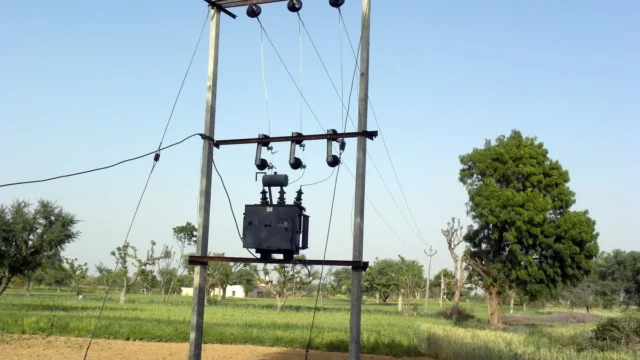
Haryana’s first private power distributor: what a parallel licence means for Gurugram and Nuh
The Haryana Electricity Regulatory Commission (HERC) on 19 October 2026 gave Eleven Power Pvt Ltd a 25-year parallel distribution licence for Gurugram and Nuh. It will be Haryana’s first private distributor and India’s second case of parallel licensing after Mumbai. The State government and power-sector staff oppose it and plan to appeal to the Appellate Tribunal for Electricity.
UPSC angle: Prelims: Section 14, APTEL, Concurrent List Entry 38. · Mains GS-III: discom reform, cross-subsidy, competition.
22 Oct 2026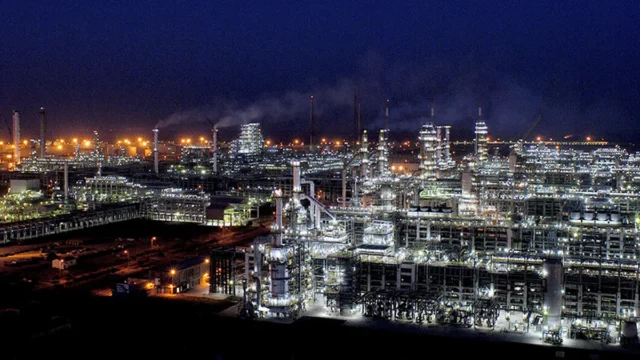
Rubio at Jamnagar: US pitches oil and Venezuelan crude to India’s ‘refining superpower’
US Secretary of State Marco Rubio visited Reliance’s Jamnagar refinery complex in Gujarat on 21 October 2026, a day after calling India a ‘refining superpower’. He wants India to buy more US oil and refine more Venezuelan crude. In Mumbai on 20 October, External Affairs Minister S. Jaishankar also held an unannounced India–US–UAE meeting on energy and connectivity, with the Strait of Hormuz blocked.
UPSC angle: Prelims: Jamnagar, Hormuz, I2U2, IMEC, SPR sites. · Mains GS-II/III: energy security vs strategic autonomy; India–US–UAE.
21 Oct 2026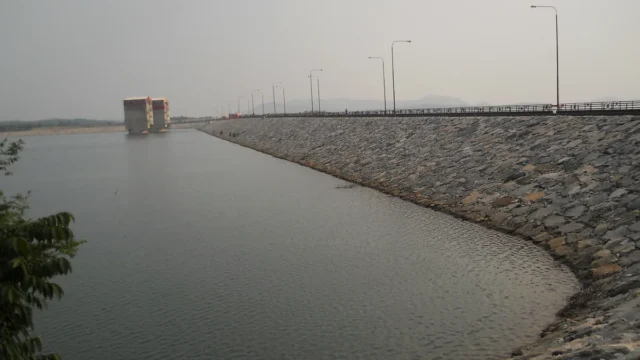
Pumped storage hydropower: India’s roadmap for 100 GW of ‘water batteries’ by 2035-36
A PIB backgrounder of 19 October 2026 explains how pumped storage projects (PSPs) will store solar and wind power for India’s grid. India runs 7.43 GW of pumped storage today, is building 15.87 GW more and has an assessed potential of 345.38 GW. A roadmap aims to add about 100 GW between 2025-26 and 2035-36.
UPSC angle: Prelims: PSP types, CEA, ISTS waiver, IRENA ranking. · Mains GS-III: storage and the clean energy transition.
19 Oct 2026Learn the concept
Question text as printed in the official UPSC Civil Services (Main) question paper. The model answer is original Battle IAS work; use it to learn structure, not to memorise.
Want every PYQ in one place? See the Battle IAS PYQ Book.