
UPSC Mains 2016 GS Paper 3 Q15: model answer
The frequency of urban floods due to high-intensity rainfall is increasing over the years. Discussing the reasons for urban floods, highlight the mechanisms for preparedness to reduce the risk during such events.
What the question wants
Discuss why high-intensity rain increasingly floods cities and the preparedness mechanisms to reduce risk.
How to structure it
Reasons, then preparedness.
- The trend
- Reasons
- Preparedness mechanisms
How to think it through
Mumbai 2005 (944 mm in 24 hours), Chennai 2015, Srinagar 2014, Bengaluru 2022, Delhi 2023. Reasons: extreme rainfall rising (climate), encroachment of lakes and floodplains, concretisation, clogged and old drains, solid waste, poor planning, unplanned construction in low areas, tides in coastal cities, release from reservoirs (Chembarambakkam 2015). Preparedness: NDMA Urban Flood guidelines 2010: Urban Flood Cell, DWR network, real-time rainfall, drainage master plans, watershed-based, encroachment removal, sponge city, early warning (Mumbai iFLOWS 2020, Chennai CFLOWS), stormwater design upgrades, rainwater harvesting, community awareness.
Model answer
On 26 July 2005, Mumbai received about 944 mm of rain in 24 hours. The city stopped. A decade later, in 2015, Chennai drowned after heavy rain and a sudden release from the Chembarambakkam reservoir. Urban floods have become a regular feature of Indian monsoons.
Reasons
- More extreme rainfall as the climate warms: more rain falls in fewer, heavier bursts.
- Lost lakes and wetlands: Bengaluru and Chennai built over tanks and floodplains.
- Concrete everywhere: water cannot soak into the ground.
- Old, narrow drains designed for much lower rainfall.
- Garbage and plastic choking drains.
- Encroachment on rivers and nullahs, like Mumbai's Mithi river.
- Poor reservoir management upstream.
- High tides blocking outflow in coastal cities.
Preparedness mechanisms
- NDMA Urban Flood Guidelines (2010): a separate urban flood cell and watershed-based drainage planning.
- Doppler radars and dense rain gauges for real-time warning.
- Flood warning systems like Mumbai's iFLOWS and Chennai's CFLOWS.
- Drainage master plans with higher design capacity.
- Removing encroachments and restoring lakes and wetlands.
- Sponge city ideas: permeable pavements, rain gardens, rainwater harvesting.
- Pre-monsoon desilting and waste management.
- Building rules that ban basements in flood-prone areas.
- Community alerts and evacuation plans for low-lying areas.
- Mapping flood-prone wards and keeping emergency pumps ready. Cities flood because they forgot where water
used to go; preparedness begins by giving it room again.
Draw: A city cross-section: rain → concrete → overflowing drain, vs rain → park and lake → recharge.
Keywords, cases and data to drop in
Mumbai 2005 944 mm, Chennai 2015, Chembarambakkam, Bengaluru 2022, concretisation, encroachment, Mithi river, NDMA urban flood guidelines 2010, DWR, iFLOWS, CFLOWS, sponge city.
Where most answers lose marks
- Blaming only heavy rainfall.
Related Mains PYQs
- Discuss how the contradiction between 'rapid infrastructure development' and 'disaster-risk reduction' in ecologically-sensitive areas of India can be managed, with suitable examples. UPSC 2026 · GS-III
- "Community participation is the cornerstone of effective disaster management". Analyse this statement with suitable examples from India. Also discuss the challenges to… UPSC 2026 · GS-III
- What are Tsunamis? How and where are they formed? What are their consequences ? Explain with examples. UPSC 2025 · GS-I
- Seawater intrusion in the coastal aquifers is a major concern in India. What are the causes of seawater intrusion and the remedial… UPSC 2025 · GS-III
Fresh examples from current affairs
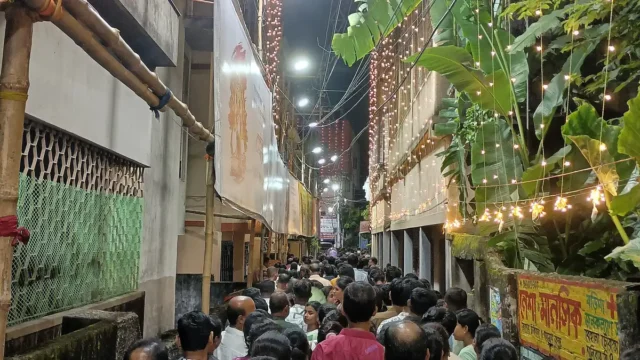
Chorbagan pandal stampede in Kolkata kills 19: what went wrong and how crowds should be managed
Nineteen people were killed and about 25 injured in a stampede at the Chorbagan Sarbojanin Durga Puja pandal in north Kolkata on the evening of 17 October 2026, during Saptami. According to police and the FIR, sudden heavy rain, weak crowd control and an announcement that the pandal could collapse set off the panic. Seven people have been arrested, and West Bengal has set up a six-member SIT.
UPSC angle: Prelims: NDMA, BNSS 163, BNS 105. · Mains GS-III: crowd management and disaster governance.
17 Oct 2026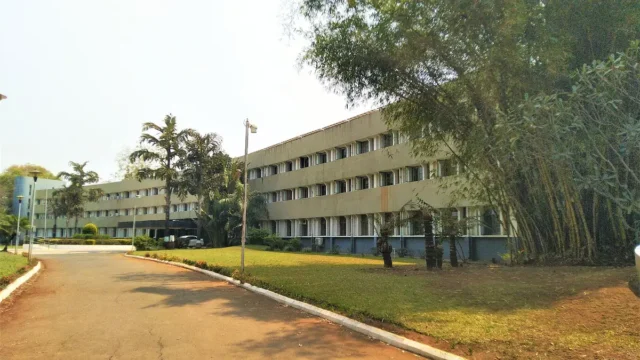
IITM Pune holds first consultation of the Climate Science into Services for India Forum
The Indian Institute of Tropical Meteorology (IITM), Pune, under the Ministry of Earth Sciences, held the first stakeholder consultation of the Climate Science into Services for India Forum (CSSIF) on 17 October 2026. More than 150 participants from over 80 institutions, including RBI, NDRF, NIDM and State climate cells, discussed what climate information each sector needs. Speakers stressed the need for a national Climate Services Information System (CSIS).
UPSC angle: Prelims: IITM, GFCS, INCOIS, NAPCC. · Mains GS-III: climate adaptation and services.
17 Oct 2026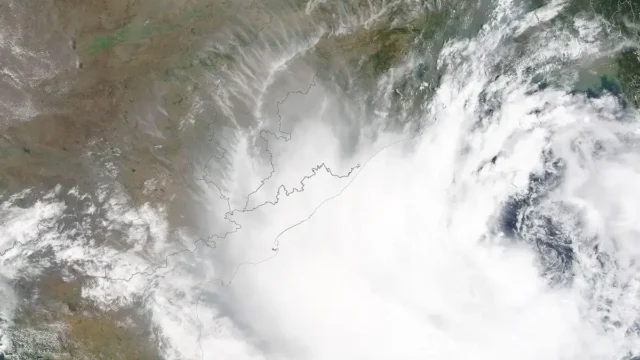
IMD launches a map-based Decision Support System for cyclone and marine warnings
On 12 October 2026 the India Meteorological Department dedicated a Cyclone Warning and Marine Weather Services Decision Support System to the nation. The WebGIS platform shows cyclone track, intensity, winds, rainfall, storm surge and district-wise warnings on one map for disaster managers and the public.
UPSC angle: Prelims: IMD, cone of uncertainty, storm surge. · Mains GS-III: early warning and disaster preparedness.
13 Oct 2026
India offers flood relief to Nepal; PM speaks to Nepal PM
On 26 August 2026 Prime Minister Narendra Modi spoke to Nepal's Prime Minister Balendra Shah and conveyed condolences on the loss of lives in floods in Nepal. He said India is ready to provide all possible humanitarian assistance, and that Indian teams are coordinating closely with Nepalese authorities on rescue and relief.
UPSC angle: Mains: India–Nepal water and flood cooperation.
26 Aug 2026Learn the concept
Question text as printed in the official UPSC Civil Services (Main) question paper. The model answer is original Battle IAS work; use it to learn structure, not to memorise.
Want every PYQ in one place? See the Battle IAS PYQ Book.