
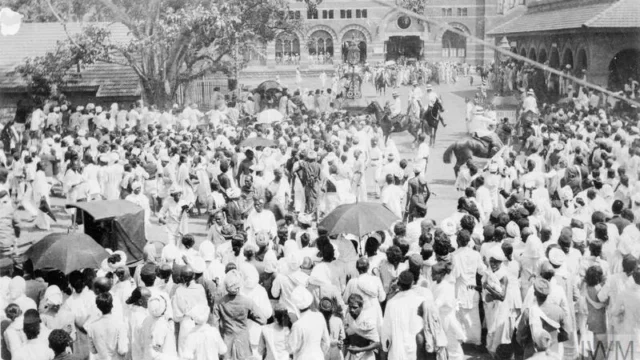
Swadeshi Movement (1905–1911): Partition of Bengal, Methods, Leaders, Impact and UPSC PYQs
Swadeshi Movement for UPSC: why the 1905 Partition of Bengal triggered it, boycott and national education, leaders, why it declined, its legacy,…
Evergreen ” UPSC” explainer articles; each links to its PYQs and current affairs.
Swadeshi Movement for UPSC: why the 1905 Partition of Bengal triggered it, boycott and national education, leaders, why it declined, its legacy,…
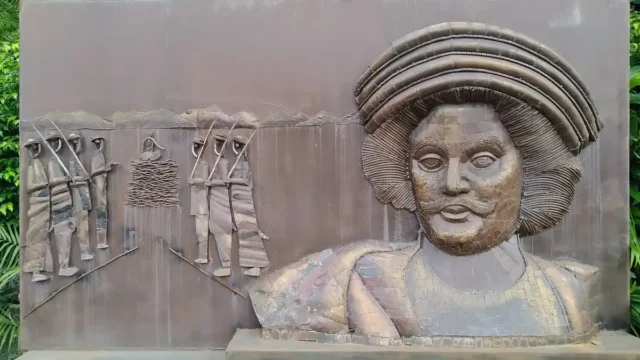
Socio-religious reform movements for UPSC: Brahmo Samaj, Arya Samaj, Prarthana Samaj, Ramakrishna Mission, Satyashodhak Samaj, Aligarh and more, with real PYQs.
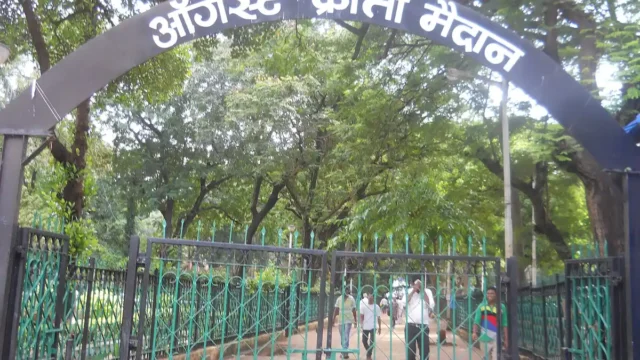
Quit India Movement for UPSC: why it began after the Cripps Mission, the 8 August 1942 resolution, "Do or Die", underground leaders…
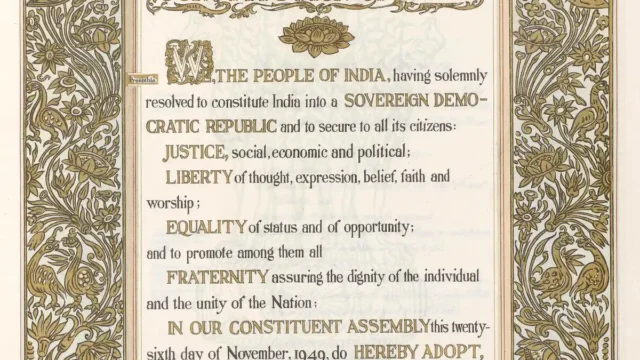
Preamble for UPSC: meaning of each key word, is it part of the Constitution (Berubari vs Kesavananda), the 42nd Amendment and real…
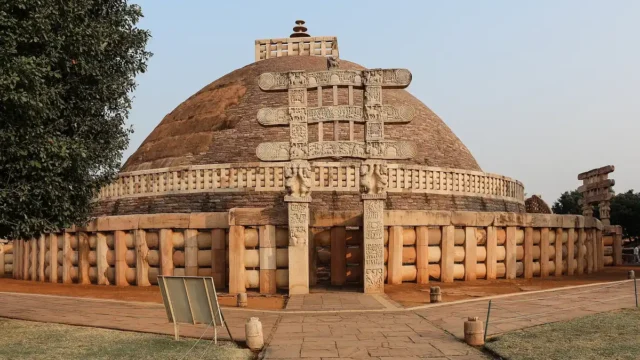
Mauryan Empire for UPSC: Chandragupta, Bindusara and Ashoka, Arthashastra and Indica, administration, Ashokan edicts and Dhamma, Mauryan art, decline and PYQs.
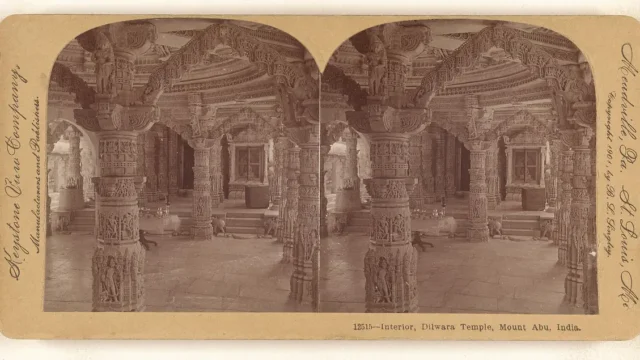
Jainism for UPSC: Mahavira and the 24 Tirthankaras, triratna and five vows, anekantavada and syadvada, Digambara vs Svetambara, councils, texts and real…

Industrial Revolution for UPSC: why it started in England, key inventions, social and economic effects, impact on India (deindustrialisation) and the PYQ.

Indian paintings for UPSC: Bhimbetka, Ajanta and Bagh murals, Mughal, Rajasthani and Pahari miniatures, state-wise folk paintings, modern art and real PYQs.
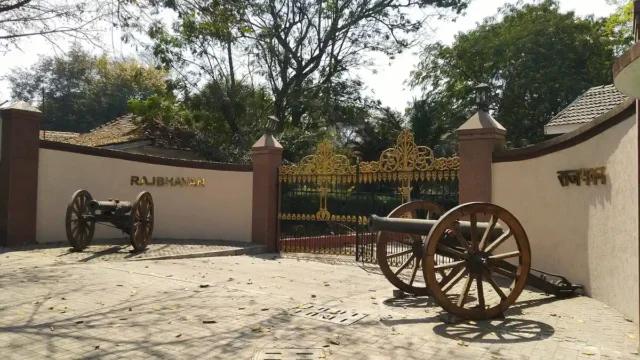
Governor for UPSC: Articles 153–162, appointment and removal, discretionary powers, assent to Bills (Art. 200), Sarkaria/Punchhi views and real PYQs.
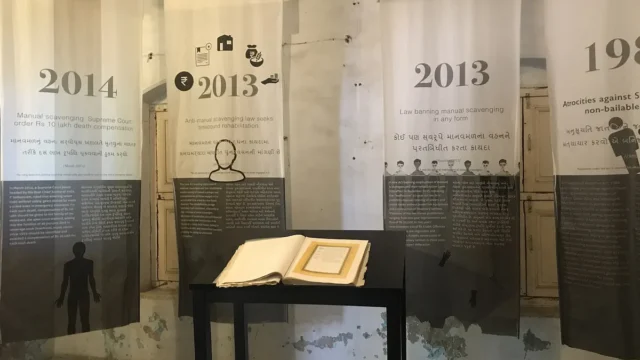
Fundamental Rights for UPSC: the six rights (Articles 12–35), rights for citizens only, the five writs, right to property, key judgments and…