
UPSC Mains 2022 GS Paper 3 Q18: model answer
Explain the causes and effects of coastal erosion in India. What are the available coastal management techniques for combating the hazard?
What the question wants
Explain the causes and effects of coastal erosion in India and the coastal management techniques available.
How to structure it
Causes, effects, techniques.
- Scale
- Natural causes
- Human causes
- Effects
- Hard techniques
- Soft techniques
- Planning tools
How to think it through
NCCR (2022): ~33.6% of coastline under erosion (1990–2018); West Bengal (~60%), Kerala (~46%), TN (~43%), Puducherry (~57%). Natural: waves, storms, cyclones, sea level rise, currents, longshore drift. Human: ports and breakwaters interrupting sediment (Puducherry harbour), dams reducing sediment, sand mining, mangrove removal, construction on dunes. Effects: loss of land and homes, fishing villages, saltwater intrusion, tourism, infrastructure, habitats (turtles). Hard: seawalls, groynes, breakwaters, revetments. Soft: beach nourishment, dune restoration, mangroves, artificial reefs (Puducherry 2017 reef restored beach), geotextile tubes. Planning: CRZ, shoreline management plans, setback lines, ICZM, sediment bypassing.
Model answer
Puducherry lost much of its famous beach after a harbour was built in the 1980s blocked the natural northward drift of sand. In 2017, an artificial reef and sand nourishment helped bring part of the beach back. The town's story contains both the cause and the cure of coastal erosion.
Scale
- About one-third of India's coastline eroded between 1990 and 2018 (National Centre for Coastal Research).
- Worst in West Bengal, Puducherry, Kerala and Tamil Nadu.
Natural causes
- Waves, storms and cyclones that remove sand.
- Longshore currents that move sediment along the coast.
- Sea level rise pushing the shoreline inland.
Human causes
- Ports, breakwaters and groynes that block sand on one side and starve the other.
- Dams that trap river sediment before it reaches the delta.
- Sand mining from beaches and rivers.
- Removal of mangroves and dunes.
- Construction too close to the shore.
Effects
- Loss of land, homes and fishing villages.
- Damage to roads, ports and tourism beaches.
- Saltwater intrusion into farmland and wells.
- Loss of habitat for turtles and shorebirds.
- Displacement of coastal communities, as in Uppada (Andhra) and parts of Kerala.
Hard techniques
- Seawalls and revetments: protect land but often worsen erosion nearby.
- Groynes: trap sand, starving downdrift beaches.
- Offshore breakwaters: reduce wave energy.
Soft techniques
- Beach nourishment by adding sand.
- Dune restoration and planting.
- Mangroves and salt-marsh belts.
- Artificial reefs and geotextile tubes.
Planning tools
- CRZ Notification, 2019 and hazard lines.
- Shoreline management plans for whole sediment cells.
- Sand bypassing at ports.
- Satellite monitoring of shoreline change by NCCR and ISRO.
- Integrated Coastal Zone Management.
The sea does not respect state boundaries; coastal management must follow the movement of sand, not the lines of districts.
Draw: A coastline with a harbour: sand building up on one side, eroding on the other.
Keywords, cases and data to drop in
NCCR, one-third coastline eroding, longshore drift, Puducherry harbour, artificial reef 2017, dams and sediment, sand mining, seawalls, groynes, breakwaters, beach nourishment, dunes, mangroves, geotubes, CRZ 2019, shoreline management plan, ICZM.
Where most answers lose marks
- Recommending only seawalls. Soft measures and planning are expected.
Related Mains PYQs
- Discuss how the contradiction between 'rapid infrastructure development' and 'disaster-risk reduction' in ecologically-sensitive areas of India can be managed, with suitable examples. UPSC 2026 · GS-III
- "Community participation is the cornerstone of effective disaster management". Analyse this statement with suitable examples from India. Also discuss the challenges to… UPSC 2026 · GS-III
- What are Tsunamis? How and where are they formed? What are their consequences ? Explain with examples. UPSC 2025 · GS-I
- Seawater intrusion in the coastal aquifers is a major concern in India. What are the causes of seawater intrusion and the remedial… UPSC 2025 · GS-III
Fresh examples from current affairs
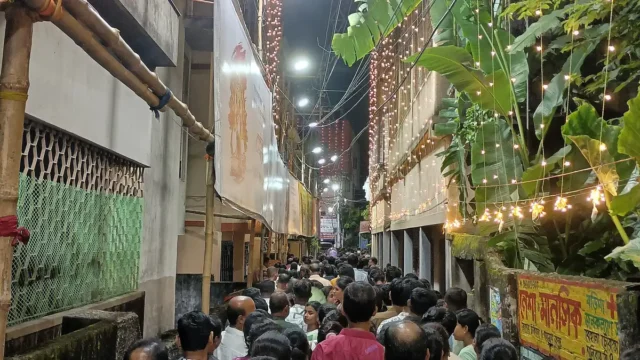
Chorbagan pandal stampede in Kolkata kills 19: what went wrong and how crowds should be managed
Nineteen people were killed and about 25 injured in a stampede at the Chorbagan Sarbojanin Durga Puja pandal in north Kolkata on the evening of 17 October 2026, during Saptami. According to police and the FIR, sudden heavy rain, weak crowd control and an announcement that the pandal could collapse set off the panic. Seven people have been arrested, and West Bengal has set up a six-member SIT.
UPSC angle: Prelims: NDMA, BNSS 163, BNS 105. · Mains GS-III: crowd management and disaster governance.
17 Oct 2026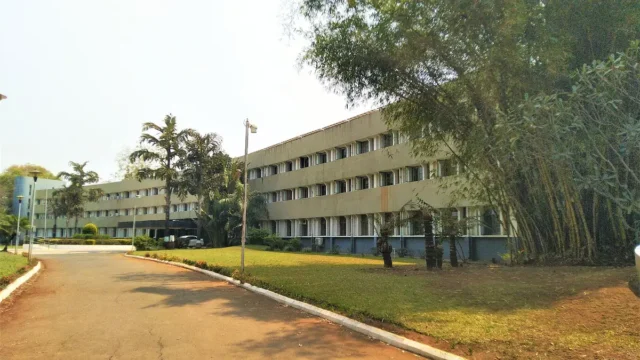
IITM Pune holds first consultation of the Climate Science into Services for India Forum
The Indian Institute of Tropical Meteorology (IITM), Pune, under the Ministry of Earth Sciences, held the first stakeholder consultation of the Climate Science into Services for India Forum (CSSIF) on 17 October 2026. More than 150 participants from over 80 institutions, including RBI, NDRF, NIDM and State climate cells, discussed what climate information each sector needs. Speakers stressed the need for a national Climate Services Information System (CSIS).
UPSC angle: Prelims: IITM, GFCS, INCOIS, NAPCC. · Mains GS-III: climate adaptation and services.
17 Oct 2026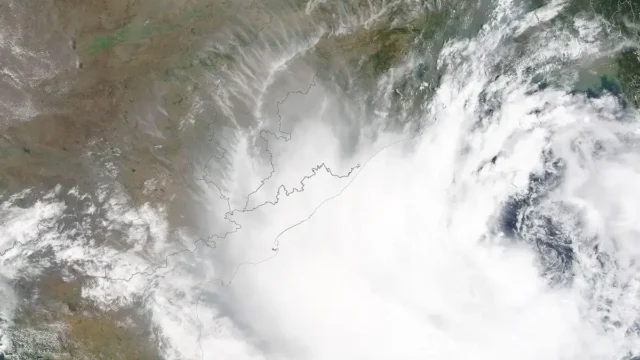
IMD launches a map-based Decision Support System for cyclone and marine warnings
On 12 October 2026 the India Meteorological Department dedicated a Cyclone Warning and Marine Weather Services Decision Support System to the nation. The WebGIS platform shows cyclone track, intensity, winds, rainfall, storm surge and district-wise warnings on one map for disaster managers and the public.
UPSC angle: Prelims: IMD, cone of uncertainty, storm surge. · Mains GS-III: early warning and disaster preparedness.
13 Oct 2026
India offers flood relief to Nepal; PM speaks to Nepal PM
On 26 August 2026 Prime Minister Narendra Modi spoke to Nepal's Prime Minister Balendra Shah and conveyed condolences on the loss of lives in floods in Nepal. He said India is ready to provide all possible humanitarian assistance, and that Indian teams are coordinating closely with Nepalese authorities on rescue and relief.
UPSC angle: Mains: India–Nepal water and flood cooperation.
26 Aug 2026Learn the concept
Question text as printed in the official UPSC Civil Services (Main) question paper. The model answer is original Battle IAS work; use it to learn structure, not to memorise.
Want every PYQ in one place? See the Battle IAS PYQ Book.