You are one aspirant with your own strong and weak areas. Here every previous-year question is linked to its syllabus topic, its explainer and the news behind it, so one question opens up a whole subject. Attempt, see why each option is right or wrong, and find exactly where you need work.
Sirpur, an archaeological site in Chhattisgarh’s Mahasamund district with Hindu, Buddhist and Jain remains from the 5th to the 12th century CE, has been added to UNESCO’s Tentative List. The ASI now has about a year to prepare a nomination dossier proving its Outstanding Universal Value. Sirpur was once the capital of Dakshina Kosala.
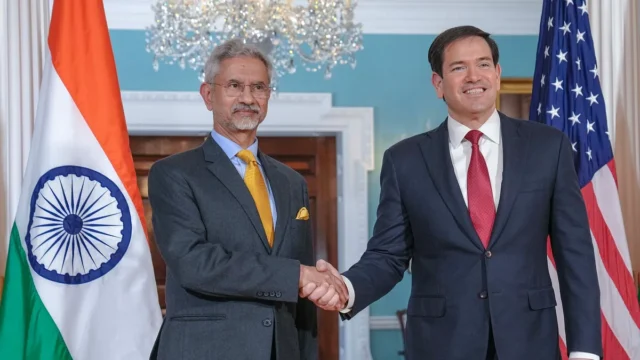
US Secretary of State Marco Rubio began his second India visit of the year in Mumbai on 20 October 2026 and met External Affairs Minister S. Jaishankar on trade, energy, technology and defence. Rubio said the two sides are ‘very, very close’ to a trade deal with ‘a small number of items left’, and praised India’s progress in diversifying energy supplies.
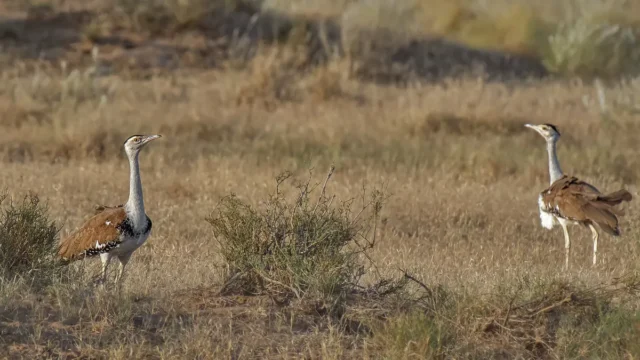
India has begun a national Red List assessment of its 1,211 regularly occurring bird species using the IUCN framework. By 19 October 2026, a preliminary review of 107 species was complete, with the Great Indian Bustard proposed as Critically Endangered and the Indian Roller as Vulnerable. A final assessment is expected towards the end of 2027.
Select the correct answer using the code given below.
Answer (a) & explanation
Ad hoc and standing committees of Parliament review regulators (a). Regulators such as TRAI, IRDAI and CERC are created by laws passed by Parliament and answer to it. They are examined by Parliament's ad hoc committees (1) and Department-Related Standing Committees (2), which question officials and study their reports. The Finance Commission (3) divides tax revenue between the Centre and states. The FSLRC (4), led by Justice B.N. Srikrishna, was a one-time body that suggested reforms to financial laws. NITI Aayog (5) is an advisory think tank. None of these reviews regulators.
India has 24 DRSCs, set up in 1993. Notice the debate on stronger oversight of regulators, such as the FSLRC's call for regular performance reviews.